
Table of Contents
- What Makes a Good Joinery Supplier for Residential Projects
- Bespoke Joinery vs Stock Solutions: Which Is Right for Your Home
- Understanding Timber Windows and Door Lead Times
- How to Specify Joinery for Residential Builds
- Budgeting for Bespoke Joinery: A Cost Calculator Approach
- Durability, Maintenance, and Long-Term Value
- Finding a Supplier You Can Trust
- Conclusion
What Makes a Good Joinery Supplier for Residential Projects
Finding the right joinery supplier for residential projects requires more than chasing the lowest price. A good joinery supplier combines three things: the ability to manufacture bespoke solutions tailored to your home's specific needs, access to quality materials, and the expertise to guide you through decisions you didn't know you needed to make. At Arborfield Joinery, we've spent over 70 years learning what separates a supplier that merely fills an order from one that becomes a trusted partner in your project.
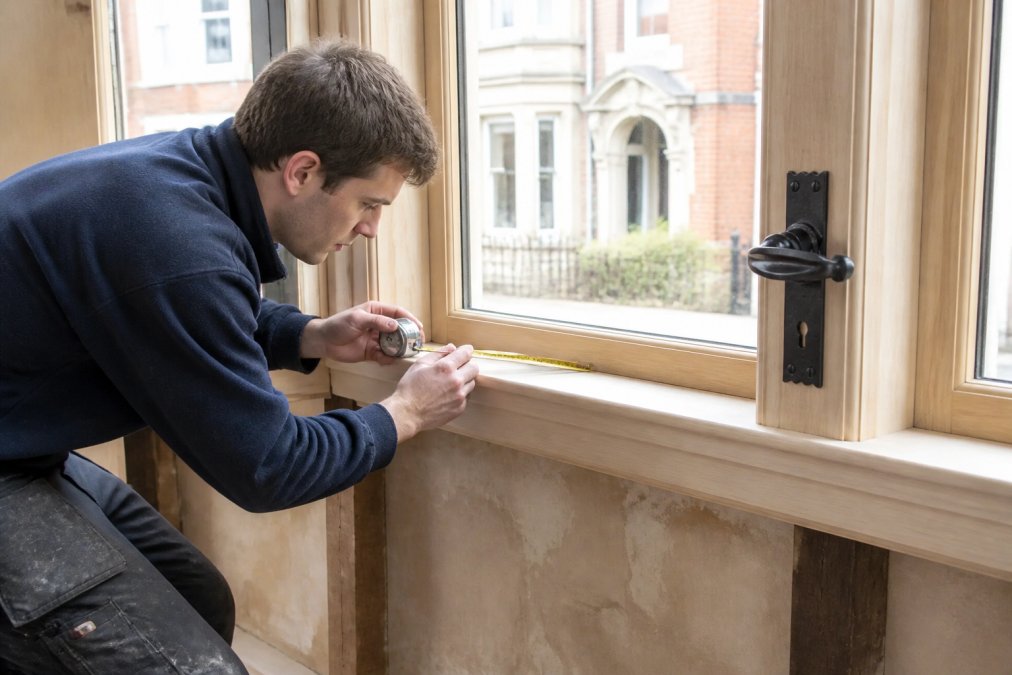
The difference shows up in details. When you have a Victorian terrace with non-standard window openings, a typical supplier tells you to accept what fits. A good supplier measures the oddities, understands the implications for draught and weatherproofing, and manufactures windows that actually work in your space. When you're installing a staircase in a period property, they don't just hand you a catalogue option, they assess your space, discuss your aesthetic, and explain why certain approaches will age better than others.
The best suppliers also stock a range of ready-made products alongside bespoke manufacturing. This matters because not every project needs full customisation, and forcing bespoke work where stock solutions exist wastes your budget. A supplier worth trusting can honestly assess your requirements and recommend the most sensible approach.
Bespoke Joinery vs Stock Solutions: Which Is Right for Your Home
The choice between bespoke joinery and stock solutions isn't about quality versus budget. It's about matching the right tool to your actual requirement.
Stock solutions work well for standard requirements. If your extension needs standard 1200mm timber windows or your kitchen requires off-the-shelf internal doors, stock joinery delivers exactly what you need without unnecessary cost. Many residential projects benefit from this approach.
Bespoke joinery becomes essential when stock won't fit. Non-standard openings, period properties with irregular dimensions, architectural features that need custom solutions, or design-specific requirements all demand purpose-made work. A Victorian terrace with sash windows at odd heights, a contemporary home with oversized glazing requirements, or a listed property where authenticity matters require a joinery supplier who can manufacture to specification.
The cost difference is real but not always dramatic. A bespoke window for a tricky opening might cost 20-30% more than a standard alternative. The premium reflects design work, custom manufacturing setup, and precision required.
Many residential projects use a hybrid approach: stock doors throughout main spaces, bespoke windows where openings are non-standard, custom staircasing as a focal point. This strategy lets you invest in craftsmanship where it matters most while keeping overall costs reasonable.
Understanding Timber Windows and Door Lead Times
Lead times for timber windows and doors vary dramatically depending on whether you're selecting from stock or commissioning bespoke work. Understanding these timescales shapes your project schedule and prevents expensive delays.
Stock timber windows and doors typically ship within 5-10 working days. Arborfield Joinery maintains significant inventory of popular sizes and styles, which means if you're selecting from existing stock, you're not waiting weeks. This matters for renovation projects on tight timelines.
Bespoke joinery typically requires 6-12 weeks depending on complexity. This accounts for design finalisation, material sourcing, manufacturing setup, quality checks, and delivery preparation. A simple bespoke window for a non-standard opening might sit at the shorter end. A complex staircase with specific detailing extends the timeline.
The lead time conversation matters early because it determines your project sequence. If you need joinery completed by a specific date, you must order well in advance. Rushing a bespoke manufacturer doesn't accelerate the timeline meaningfully, it just increases costs and risks quality issues.
Weather and material availability also influence lead times. Timber sourcing can be affected by seasonal factors, and suppliers managing FSC-certified or specific timber species may have longer sourcing periods. A good supplier communicates these factors upfront.
How to Specify Joinery for Residential Builds
Specifying joinery correctly prevents misunderstandings, ensures the finished product fits your space, and protects your budget. Most homeowners underestimate how much precision this requires.
Start with precise measurements of every opening, height, and width. If you're working with an architect or designer, they should provide detailed drawings. If you're specifying independently, take measurements yourself and verify them twice. Photograph the spaces, note any irregularities (walls that aren't quite plumb, floors that slope, openings that aren't perfectly square), and document these in writing for your supplier.
Next, specify the functional requirements. What's the purpose of this joinery? A timber window needs to open, close, lock, and weatherproof. Does it need to be easy to clean? Will it face prevailing weather? These details determine construction choices.
Material selection matters significantly. Softwood timber windows and doors cost less but require regular maintenance and are less durable than hardwood alternatives. Hardwood offers better longevity and character but costs more. FSC-certified timber ensures sustainable sourcing if environmental credentials matter to your project.
Specify the aesthetic requirements clearly. Provide images of styles you prefer. Describe the finish: traditional timber colour, painted, contemporary stain, or natural. Note any specific detailing: panel configurations, handle styles, moulding profiles.
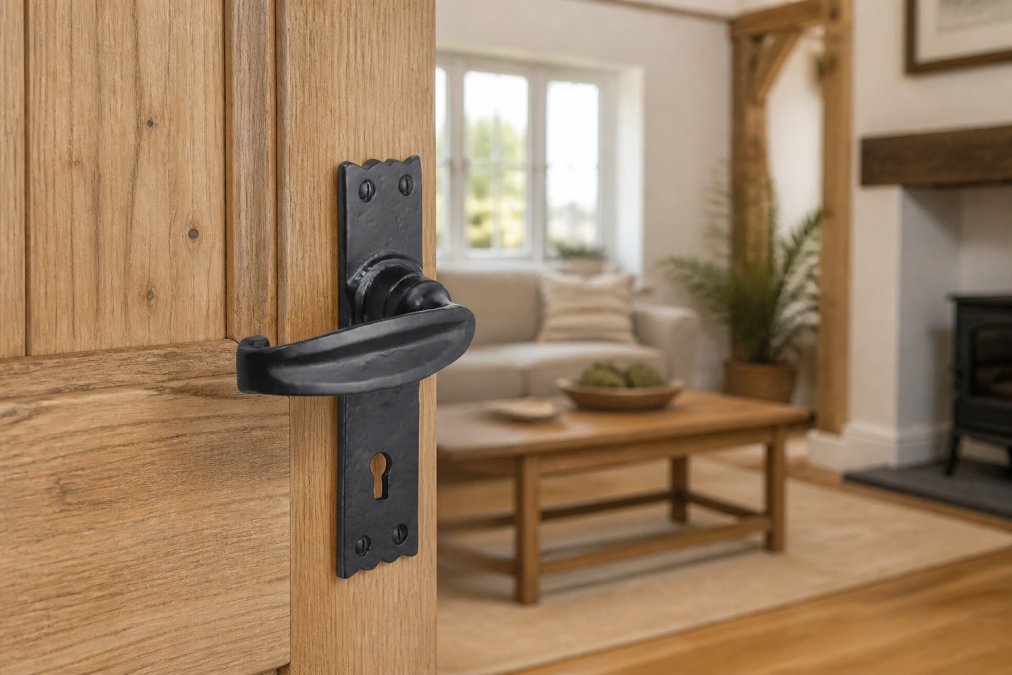
Consider hardware and fittings carefully. Door handles, hinges, locks, and window furniture significantly affect both function and appearance. Arborfield Joinery stocks quality options like the Charlbury Lever Lock Handles (£24.98) and Fulbrook Lever Bathroom Handles (£24.42), which combine traditional cast iron construction with modern durability.


Budgeting for Bespoke Joinery: A Cost Calculator Approach
Budgeting for bespoke joinery requires understanding what drives costs so you can make informed decisions about where to invest and where to economise.
The cost of bespoke joinery breaks down into several components: materials (30-40%), manufacturing labour (40-50%), design work (5-10%), hardware and fittings, finish treatments (5-15%), and delivery.
Materials typically represent 30-40% of costs. Softwood costs less than hardwood. Standard timber species cost less than rare or FSC-certified alternatives. Material choices directly affect both budget and longevity. made to measure doors.
Manufacturing labour accounts for 40-50% of costs. Complex joinery with intricate detailing or work requiring exceptional precision costs more because it demands skilled time. A simple bespoke window costs less to manufacture than a complex staircase with custom balustrades.
Design work adds 5-10% to costs. If you're providing detailed drawings, design costs are minimal. If you're asking the supplier to develop the design from your brief, expect to pay for that expertise.
Hardware and fittings typically run £20-50 per item depending on quality. A door with five hinges, a lock, and handles might add £100-150 in hardware costs.
A practical approach to budgeting:
- Define your project scope clearly
- Request quotes from multiple suppliers specifying identical requirements
- Compare component breakdowns, not just total price
- Identify where you can adjust without compromising function or aesthetics
- Build contingency (typically 10-15%) for unforeseen requirements
Many residential projects find that investing in quality bespoke joinery for focal points while using stock solutions elsewhere delivers the best value.
Durability, Maintenance, and Long-Term Value
The real cost of joinery isn't the purchase price, it's the total cost over the life of the product. A cheap door that warps within three years costs more than an expensive door that performs flawlessly for twenty.
Timber joinery durability depends on material quality, construction, finish, and maintenance. Hardwood timber naturally resists decay and warping better than softwood. Quality construction with proper joinery techniques lasts longer than inferior methods. A good finish protects timber from moisture, UV damage, and weathering. Regular maintenance extends life significantly.
Softwood timber requires maintenance every 3-5 years. Hardwood timber with quality finishes can go 7-10 years between major maintenance. FSC-certified timber or timber treated with modern protective coatings extends intervals further.
Quality joinery also protects your home's integrity. Poor windows and doors allow draught, moisture ingress, and heat loss. Quality joinery with proper seals and construction prevents these problems, protecting your investment in the building itself.
Restoration and refurbishment projects often involve repairing or replacing existing joinery. Historic properties sometimes retain original timber windows and doors worth preserving. A good supplier understands restoration work, can replicate period details, source matching materials, and repair existing joinery where possible.
Finding a Supplier You Can Trust
Choosing a joinery supplier requires looking beyond price and portfolio. You're selecting a partner who'll influence your project's success, timeline, and final quality.
Start by checking their track record. How long have they been operating? Do they have genuine testimonials from residential customers? Ask for references and contact previous clients directly. Ask about their experience with projects similar to yours.
Assess their communication style. A good supplier explains options clearly, asks clarifying questions, and manages expectations honestly. If they're vague about lead times, dismissive of your concerns, or reluctant to provide detailed specifications, that's a warning sign.
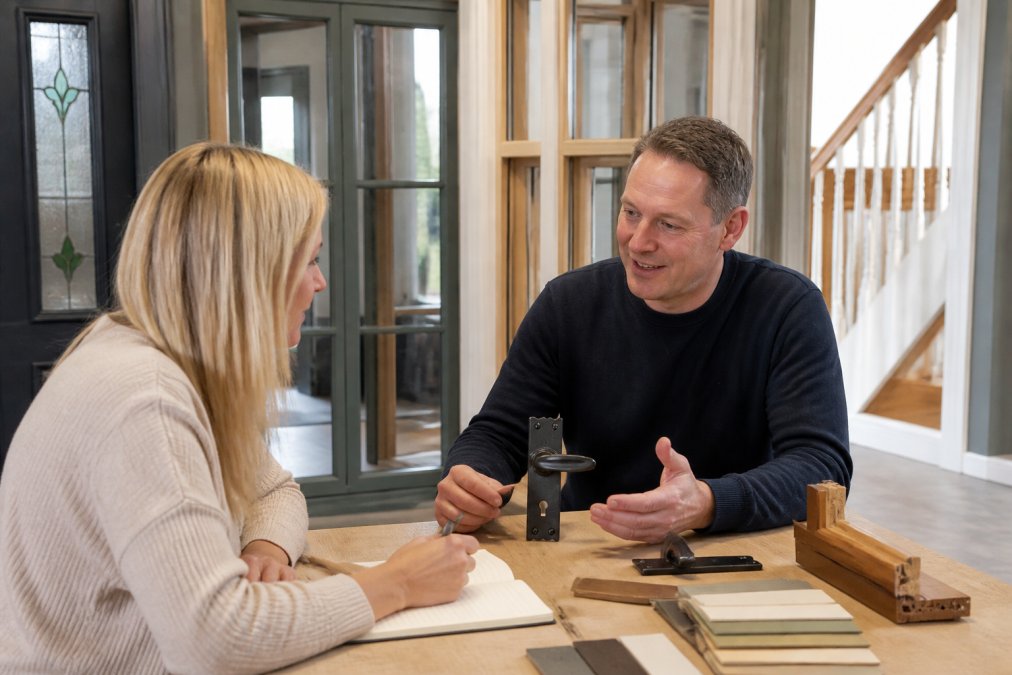
Visit their showroom or workspace if possible. You'll see the range of products they stock, the quality of their work, and how they operate. Arborfield Joinery maintains an extensive showroom with a huge range of internal and external doors on display, allowing you to see quality and options firsthand.
Check their manufacturing capabilities. Do they have in-house manufacturing for bespoke work, or do they outsource? In-house manufacturing often means better quality control and faster timescales. Ask about their quality assurance process and what guarantees they offer.
Consider their service model. Do they offer design consultation? Can they help you specify joinery correctly? Will they advise on material choices and finishes? The best suppliers add value through expertise. Arborfield Joinery's team provides expert advice on property suitability, helping you select the right solutions for your specific home.
Evaluate their delivery and installation options. Do they deliver to your area? Can they install, or do they supply only? What's their policy if something arrives damaged? Arborfield Joinery offers free UK mainland shipping on orders over £900.
Ask about their approach to problem-solving. What happens if your opening is more complex than anticipated? Can they adapt? Will they work with you to find solutions? The best suppliers see challenges as opportunities to demonstrate their expertise.
Customer testimonials matter. Real customers sharing genuine experiences provide insight into how a supplier actually operates. Arborfield Joinery's customers consistently mention fast availability, professional service, accurate measurements, and great advice.
Choosing a joinery supplier for residential projects shapes your entire renovation experience. The right supplier delivers quality products, manages timelines reliably, and guides you through decisions with genuine expertise. At Arborfield Joinery, we've built our reputation over 70 years by combining traditional craftsmanship with a vast selection of premium products and full bespoke manufacturing capabilities. Whether you need stock solutions or purpose-made joinery, our team delivers the quality, advice, and service that make projects succeed. Shop now and discover why homeowners, architects, and builders trust us for their residential joinery needs.
Frequently Asked Questions
How do I know if I need a bespoke joinery supplier rather than standard stock products?
Bespoke joinery becomes essential when your property has non-standard openings, unusual dimensions, or specific aesthetic requirements. Victorian terraces, period properties, and homes with irregular wall angles often need purpose-made solutions. Stock products work well for straightforward replacements in modern homes with standard window and door sizes. A reliable joinery supplier will assess your property and recommend the most cost-effective option, bespoke or stock, based on your actual needs.
What should I expect to pay for bespoke joinery in a residential project?
Costs vary significantly based on materials, complexity, and finish. Free UK mainland shipping on orders over £900 can offset some costs. Always request a detailed quote that breaks down materials, manufacturing, and delivery separately so you understand where your money is going.
How long does it typically take to get bespoke joinery manufactured and installed?
Timber window and door lead times depend on complexity and current workshop capacity. Stock items ship within days, while bespoke manufacturing typically takes 6-12 weeks from order to delivery. If you're working to a tight renovation schedule, discuss timelines upfront. Installation typically takes 1-3 weeks depending on the number of units and site access. Plan your project schedule around these timescales to avoid costly delays.
What certifications or standards should I look for in a joinery supplier?
For residential projects, verify that timber is sourced from FSC or PEFC-certified forests, which ensures sustainable forestry practices. Check that doors and windows comply with Building Regulations for thermal performance (U-values), air tightness, and structural safety. Fire door compliance is critical if doors separate living spaces from escape routes. A reputable supplier will provide technical specifications, test certificates, and installation guidance to ensure your joinery meets current building standards and performs as intended for the lifetime of your home.
This article was written using GrandRanker
Share:
Internal Doors with Black Handles: A Guide to Modern Styling in 2026
Bespoke Door Installation Service: A Complete Guide