
Table of Contents
- What Determines Timber Window Durability
- Best Timber Species for Windows
- Service Life Expectations for Bespoke Timber Windows
- Timber Window Maintenance Tips to Extend Life
- How to Prevent Window Condensation Issues
- Hardware and Ironmongery Longevity
- Repair vs Replace: Making the Right Decision
- Conclusion
Last Updated: August 20, 2026
What Determines Timber Window Durability
Timber window durability depends on three core factors: timber species, joinery quality, and protection from environmental exposure. Moisture is the primary enemy, when water penetrates through failed glazing seals, poor paint coverage, or humidity, it triggers decay and structural failure. A window built with tight joints and proper protective coatings withstands decades of exposure; one with loose joinery fails within years.
Moisture content and environmental exposure
Timber should be seasoned to approximately 12-15% moisture content before manufacture. Higher moisture levels cause continued shrinkage after installation, creating gaps that compromise the seal.
Environmental exposure then tests this foundation. Windows facing prevailing winds and rain in coastal locations experience far more stress than sheltered south-facing windows. Humid climates with regular condensation create constant moisture pressure. The protective coating must be maintained regularly in these conditions; neglected maintenance accelerates decay rapidly.
Temperature cycling also matters. Timber expands and contracts seasonally. Windows experiencing extreme temperature swings suffer more joint stress than those in stable climates.
Joinery quality and structural integrity
Quality joinery features mortise and tenon joints cut precisely and glued with waterproof adhesives, adequate sizing of structural members, properly sloped sills to shed water, and tight tolerances throughout. Poor joinery allows water to migrate into the wood, causing uneven swelling and accelerating deterioration.
Bespoke windows built by experienced makers typically feature superior joinery compared to mass-produced alternatives. At Arborfield Joinery, our team uses traditional joinery methods combined with modern adhesives to ensure frames that resist movement and water penetration for decades. The difference between well-jointed and poorly jointed windows often becomes apparent within 5-10 years.
Best Timber Species for Windows
Not all timber performs equally in window applications. Your choice of timber species directly impacts maintenance frequency and longevity.
Hardwood vs softwood performance
Hardwoods such as oak, ash, and mahogany contain natural compounds that resist fungal decay and insect damage, with tighter grain structures that absorb less moisture. A hardwood window can last 40-60 years with regular maintenance.
Softwoods like pine and spruce are cheaper but more vulnerable, lacking natural decay resistance and absorbing moisture readily. A softwood window typically lasts 25-40 years and requires more frequent repainting. In high-moisture environments, lifespan is significantly shorter.
Hardwood windows command a premium price but offer superior durability. For visible windows or where durability is a priority, hardwood is the better investment.
FSC-certified timber and sustainability
FSC-certified timber comes from responsibly managed forests and indicates proper grading and processing according to established standards. This consistency supports durability because the timber meets defined quality criteria.
Requesting FSC-certified hardwood for bespoke timber windows ensures the timber is from a known source, properly seasoned, and documented. The environmental credentials also appeal to many homeowners undertaking renovation projects.
Service Life Expectations for Bespoke Timber Windows
A well-made bespoke timber window should deliver 40-60 years of service life with regular maintenance, assuming quality timber, sound joinery, proper installation, and repainting every 5-7 years.
Lifespan by timber type and specification
Hardwood windows in favourable conditions (sheltered exposure, dry climate, regular maintenance) can reach 60+ years. Oak windows are known for exceptional longevity. Softwood windows in the same conditions typically last 30-40 years.
Windows with deeper structural sections, sloped sills that shed water effectively, mortise and tenon joinery, and properly sealed and painted glazing beads will outlast windows without these features significantly.
Climate and exposure are the strongest predictors of actual lifespan. A window in a dry, sheltered location may exceed expectations; one in a coastal or high-rainfall area with poor maintenance may fail within 20-25 years.
Signs of decay and when replacement becomes necessary
Visible signs of decay include soft spots in timber when pressed, paint bubbling or peeling in localised areas, visible cracks or splits especially at joints, difficulty opening or closing due to swelling, visible mould or discolouration, and water staining inside the frame.
Once decay reaches structural members, replacement is usually necessary. If more than 20-30% of the frame shows decay, replacement should be considered. Minor rot confined to the sill can sometimes be repaired by cutting out affected timber and splicing in new material, but this is only worthwhile if the rest of the window is sound.
Timber Window Maintenance Tips to Extend Life
Regular maintenance is the single most important factor in extending timber window life. A maintained window will outlast a neglected one by 20+ years, even if both were made identically.
Repainting cycles and protective coating schedules
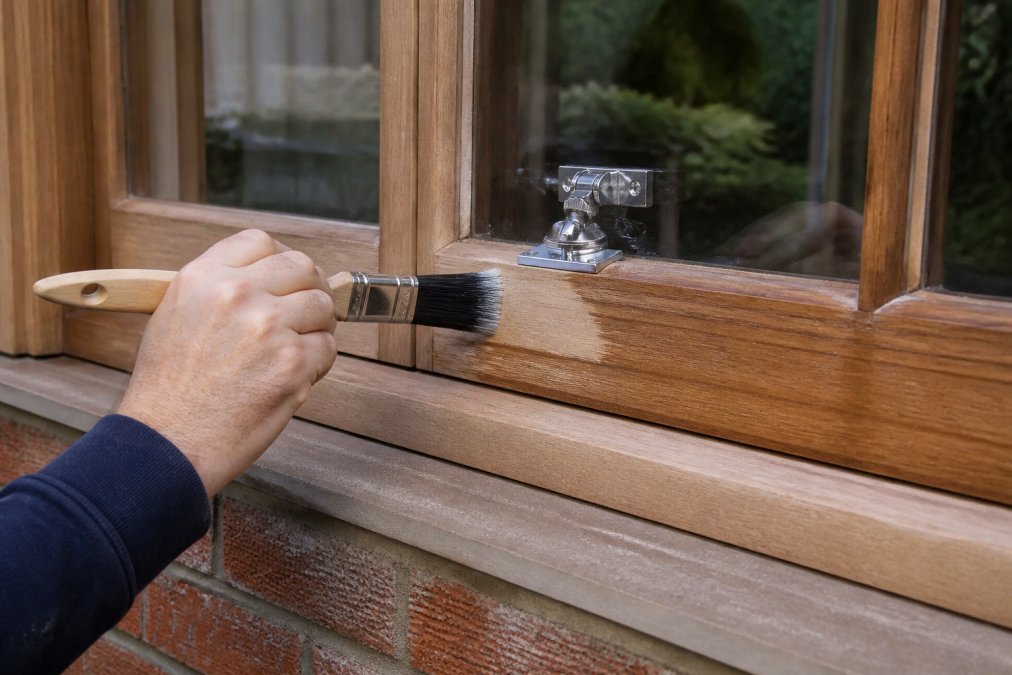
The protective coating is the primary defence against moisture penetration. Most timber windows require repainting every 5-7 years, depending on exposure and climate. High-exposure windows may need repainting every 4-5 years; sheltered windows in dry climates can often go 7-8 years between coats.
Repaint before the existing coating fails completely. Signs include chalky appearance when rubbed, visible cracks or peeling, water no longer beading on the surface, and timber showing colour change or greying.
When repainting, prepare the surface by scraping loose paint and sanding smooth. Use high-quality exterior paint or stain formulated for timber windows. Cheap paints fail faster and require more frequent repainting.
Weather stripping and binding prevention
Weather stripping degrades over time and should be checked annually. Worn stripping allows draughts and water ingress. Replacement is straightforward and inexpensive.
Binding (where the sash sticks) often results from paint buildup or moisture-induced swelling. Prevent binding by maintaining the protective coating, avoiding painting over sash edges where it slides past the frame, and lubricating sash cords with dry lubricant rather than oil.
How to Prevent Window Condensation Issues
Condensation on the inside of windows is not a window defect but a symptom of moisture in the building and inadequate ventilation.
Thermal bridging and glazing seal failure
Modern double-glazed windows reduce condensation risk by keeping the inner pane warmer. If the glazing seal fails, allowing the cavity to fill with moisture, condensation forms inside the sealed unit and cannot be cleaned. A failed seal indicates the unit needs replacement.
Thermal bridging occurs where the timber frame conducts cold from outside to inside, encouraging condensation. Timber is a poor insulator compared to modern materials, so thermal bridging is inherent. The solution is managing interior moisture and ventilation, not replacing the window.
Ventilation and moisture management
Excess moisture comes from cooking, showers, drying clothes indoors, breathing, and damp in the building structure. Prevent condensation by using extractor fans in kitchens and bathrooms, ensuring loft and cavity spaces are properly ventilated, avoiding drying clothes indoors without ventilation, and considering a dehumidifier in very damp properties.
Adequate ventilation is essential. Modern tight buildings trap moisture inside. Trickle vents or deliberate ventilation openings help moisture escape.
Hardware and Ironmongery Longevity
Hardware must withstand decades of use and environmental exposure. Quality ironmongery is made from solid brass or stainless steel. Brass develops a natural patina; stainless steel is more corrosion-resistant in coastal environments. Avoid cheap plated hardware, which corrodes within years.
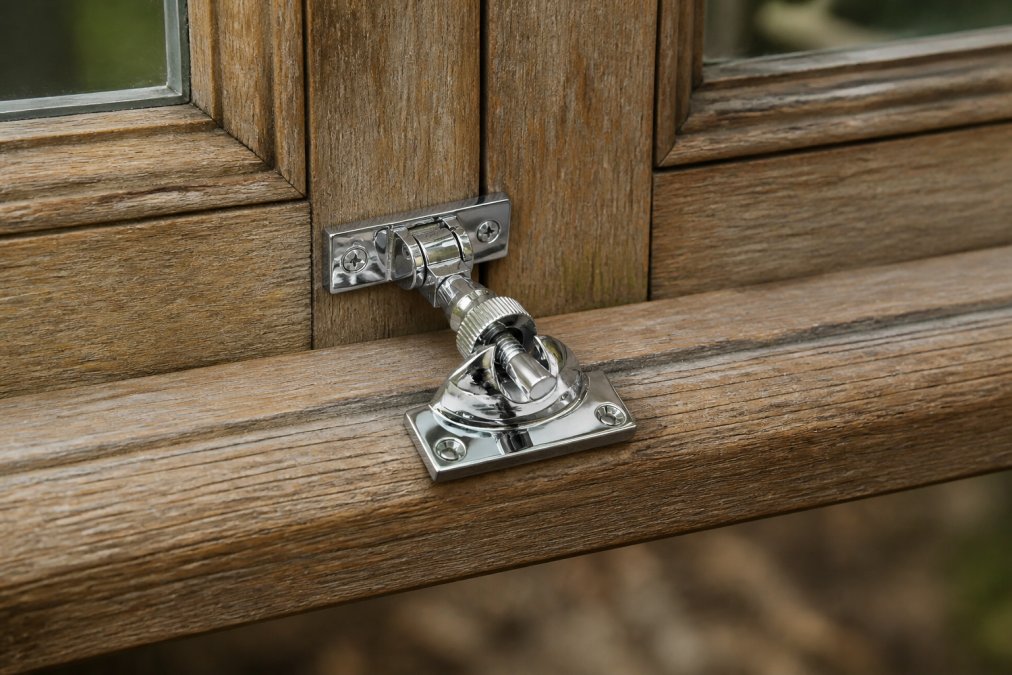
At Arborfield Joinery, we supply traditional brass fasteners such as the Brighton Fastener in Polished Brass and Fitch Fastener in Antique Brass, designed for sash windows with proven longevity.


Specify solid brass or stainless steel components from the outset. Maintain hardware by cleaning annually and treating brass with protective wax if desired. Check hinges annually for wear; worn hinges cause sagging that stresses the frame and glazing.
Repair vs Replace: Making the Right Decision
When a timber window develops problems, decide between repair and replacement based on structural integrity and cost.
Consider repair if decay is confined to the sill or small frame area, joinery is sound, glazing is intact, repair costs less than 40% of a new window, and the window has aesthetic or heritage value.
Consider replacement if decay affects structural members or joints, joinery is loose or damaged, more than 30% of the frame shows decay, glazing has failed, repair costs exceed 50% of a new window's cost, or the window is difficult to open or close.
For heritage properties or listed buildings, repair is often preferable for aesthetic reasons. For modern properties without heritage value, replacement with a new bespoke window often delivers better long-term value.
Timber windows are an investment in your property's character and durability. They require more maintenance than modern alternatives but reward that care with decades of service life and aesthetic qualities newer materials struggle to match. Prioritise quality joinery, FSC-certified hardwood, and a realistic maintenance plan from the outset. At Arborfield Joinery, we've been manufacturing bespoke timber windows since 1953, and our team can guide you through timber selection, specification, and maintenance to ensure your windows perform for generations. Shop now and discover how traditional craftsmanship and modern materials combine to create windows built to last.
Frequently Asked Questions
How long should bespoke timber windows last?
Bespoke timber windows typically last 40-60 years or longer with proper maintenance. Hardwood windows often outlast softwood by 10-20 years. Lifespan depends on timber species, joinery quality, protective coating maintenance, and environmental exposure. Windows in sheltered locations with regular repainting cycles perform better than those exposed to harsh weather without maintenance. FSC-certified timber and quality glazing also extend service life significantly.
What timber species offer the best durability for windows?
Hardwoods like oak, teak, and iroko provide superior rot resistance and durability compared to softwoods. Oak offers excellent structural integrity and natural durability lasting 50+ years. Teak resists moisture and decay exceptionally well. Softwoods like pine and spruce require more frequent maintenance and repainting but are cost-effective. Specification matters: engineered timber with preservative treatment can match hardwood performance. Choose based on climate, budget, and maintenance commitment.
How do I prevent timber window condensation?
Condensation forms when warm indoor air meets cold glazing. Improve ventilation by opening windows regularly or installing trickle vents. Reduce indoor humidity through extractor fans in kitchens and bathrooms. Ensure weather stripping is intact to prevent thermal bridging. Double or triple glazing with high-performance seals reduces surface temperature. Check glazing seals annually for failure, as broken seals trap moisture between panes. Thermal performance of the frame itself matters: quality joinery and proper installation prevent cold spots that attract condensation.
What maintenance schedule keeps timber windows durable?
Repaint timber windows every 4-7 years depending on exposure and climate. Inspect annually for signs of rot, decay, or binding. Clean glazing seals and weather stripping twice yearly. Check that all fasteners (like Brighton or Fitch fasteners) remain tight and functional. Apply protective coating to any exposed timber. Remove debris from drainage channels. In harsh coastal or wet climates, increase repainting frequency to every 3-4 years. Bespoke windows benefit from contractor-standard maintenance schedules tailored to your specific specification and location.
Are bespoke timber windows worth the investment for durability?
Bespoke timber windows offer long-term value through extended service life (40-60+ years) and superior thermal performance compared to mass-produced alternatives. Custom joinery ensures perfect fit, eliminating gaps and drafts common in standard windows. FSC-certified timber and quality hardware like brass fasteners resist decay longer. Higher upfront cost is offset by reduced replacement frequency, lower heating costs, and aesthetic longevity. For Victorian terraces or non-standard openings, bespoke solutions prevent warping and structural issues that plague poorly fitted windows.
What are the first signs that timber windows need repair or replacement?
Watch for soft spots in the frame when pressed (rot), visible decay around glazing putty, or sticking and binding that prevents smooth operation. Glazing seals that show condensation between panes indicate failure. Creaking sounds suggest structural movement or loose joinery. Paint peeling in patches signals protective coating breakdown. Minor rot and binding can be repaired by removing affected timber and applying preservative treatment. Extensive decay affecting joinery or more than 30% of the frame typically requires replacement. Professional inspection determines whether repair or replacement is cost-effective.
Do timber windows meet modern building regulations for thermal efficiency?
Modern bespoke timber windows can exceed thermal performance requirements through high-specification glazing, quality seals, and careful joinery design. Double or triple glazing with low-emissivity coatings meets current Building Regulations Part L. Timber frames offer better thermal bridging control than some alternatives when properly detailed. Bespoke windows allow specification of weather stripping and thermal breaks tailored to your property. Contractor standards ensure compliance with condensation and air tightness requirements. Check with your supplier that your specification meets current regulations for your renovation project.
How does climate affect timber window durability?
Coastal and wet climates accelerate decay due to salt spray and moisture exposure, requiring more frequent repainting (every 3-4 years) and hardwood species selection. Dry inland climates extend repainting intervals to 5-7 years. Freeze-thaw cycles in cold regions stress glazing seals and joinery, demanding robust specification and annual inspection. High-humidity areas promote condensation and fungal growth, requiring better ventilation and thermal performance. Environmental exposure varies significantly across regions. Bespoke windows allow specification adjustments for your specific climate: preservative treatments, hardwood selection, or enhanced drainage design protect against local durability challenges.
This article was written using GrandRanker
Share:
High Quality Timber Doors for Builders
Walnut vs Oak Doors: Buying Guide for British Interiors