
Table of Contents
- Understanding Bespoke Joinery Costs
- Cost Breakdown by Project Type
- Joiner Daily Rate and Labour Costs in the UK
- Factors Affecting Joinery Quotes
- Material Costs Versus Labour: Where Your Budget Goes
- How to Calculate and Request Accurate Quotes
- Premium Options and Long-Term Value
- Conclusion
Last Updated: August 21, 2026
Understanding Bespoke Joinery Costs
Bespoke joinery cost estimation requires understanding how multiple factors interact to determine your final price. Unlike off-the-shelf furniture, bespoke joinery involves custom design, material selection, and precision craftsmanship tailored to your specific space and requirements.
At Arborfield Joinery, we've helped homeowners, architects, and builders navigate this process for decades. Costs vary significantly depending on project type, materials chosen, design complexity, and labour intensity. A simple fitted wardrobe costs considerably less than a media wall with integrated lighting and cable management in an awkwardly shaped alcove.
Most people underestimate how much labour contributes to the final price. Materials typically represent 30-50% of your budget, with the remainder covering skilled craftsmanship, workshop time, site installation, and finishing. The key to accurate estimation is knowing what questions to ask and comparing quotes fairly. A cheap quote often signals corners being cut; a premium quote may reflect inefficient processes. The right approach is understanding what you're actually paying for.
Cost Breakdown by Project Type
Different joinery projects follow distinct cost patterns. Fitted wardrobes, media walls, and custom doors each involve different material requirements, installation complexity, and labour intensity.
Fitted Wardrobes and Built-In Cabinetry
Fitted wardrobes typically range from £2,000-£8,000 for a standard bedroom, depending on size, materials, and internal fittings. A 2.4-metre wide wardrobe in MDF with basic shelving and hanging rails costs less than the same size in solid timber with soft-close mechanisms and integrated lighting.
The cost per linear metre typically falls between £400-£1,200, depending on specification. This includes the carcass construction, doors, internal fittings, and installation. Custom configurations, pull-out drawers, specialist hangers, or jewellery trays add cost incrementally.
Labour typically accounts for 40-60% of the wardrobe cost, including workshop time, site survey, delivery, and installation. Awkward angles, sloping ceilings, or non-standard wall depths increase labour costs as the joiner adapts the design during installation.
Material choice heavily influences pricing. MDF-based construction costs less than solid timber or veneer options. Melamine-faced chipboard offers budget-friendly durability. Premium hardwoods command significantly higher prices. Hardware, hinges, handles, and soft-close mechanisms add £200-£800 depending on specification and brand.
Media Walls and Alcove Shelving
A bespoke media wall with integrated shelving, cable management, and TV mounting typically costs £3,000-£10,000 depending on complexity and materials. Simple floating shelves in a standard alcove cost less; walls with built-in lighting, concealed wiring, and custom dimensions cost more.
Alcove shelving usually costs £800-£3,000 per alcove, depending on the number of shelves, material grade, and whether the alcove requires custom adaptation. Shelves in awkward spaces with sloping ceilings or irregular wall depths increase costs as the joiner must cut and fit individual components on-site.
Labour intensity for media walls exceeds simple shelving. The joiner must integrate electrical considerations, ensure precise alignment, and manage cable routing. Many joiners charge a site survey fee of £150-£300 to assess wall condition, load-bearing capacity, and electrical routing.
Material costs for media walls vary widely. Painted MDF shelving costs less than solid oak or walnut. Integrated lighting, metal supports, and premium hardware add £400-£1,500 to the project cost.
Custom Doors and Windows
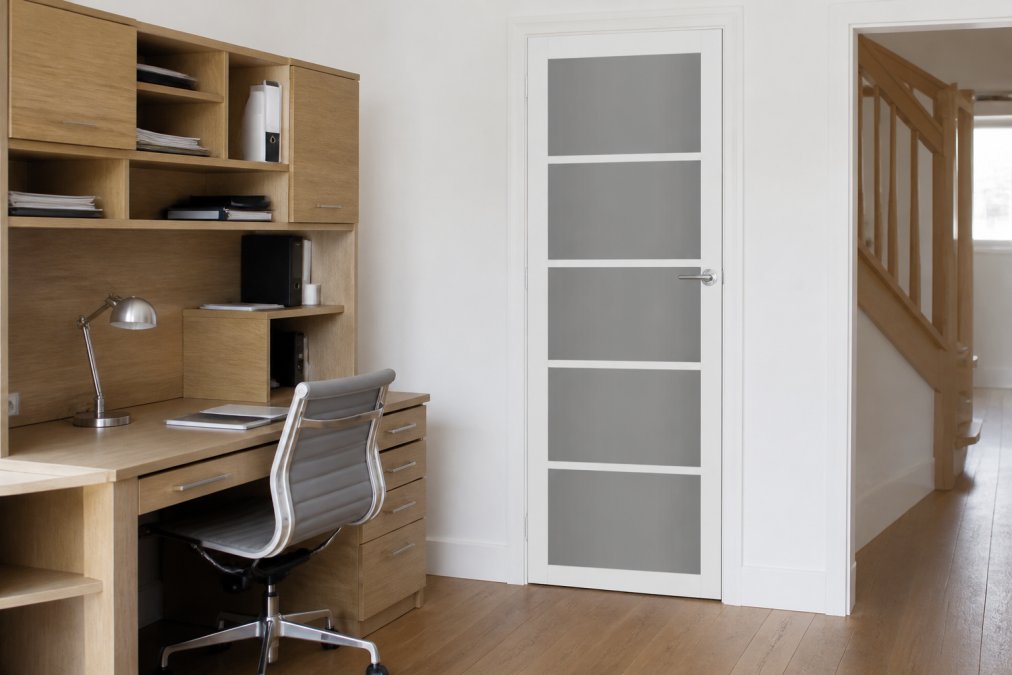
Bespoke internal doors from Arborfield Joinery start around £219-£330 depending on style and specification. The Shoreditch range offers industrial-style options with clear or tinted glass panels, priced from £219.50 for the basic clear-glass version to £330 for tinted variants.

External doors and windows command higher prices due to weatherproofing requirements and material specifications. Bespoke timber windows typically cost £400-£1,200 per window depending on size, glazing type, and material. External doors range from £600-£2,000 for solid timber options with weather seals and hardware.
Labour for door and window installation varies by complexity. Standard rectangular openings take 2-4 hours per door or window. Non-standard openings or Victorian properties with uneven frames require custom fabrication and take longer. Installation labour typically costs £150-£400 per opening depending on site conditions.
Joiner Daily Rate and Labour Costs in the UK
A skilled joiner in the UK typically charges between £150-£400 per day, depending on experience, location, and project complexity. Understanding daily rates helps you assess whether a project quote represents fair value. If a fitted wardrobe requires an estimated 8 days of labour at £250 per day, that's £2,000 in labour costs alone, plus materials and overhead.
Workshop time typically costs less than on-site installation time. A joiner working in their workshop might charge £120-£200 per hour, while site installation costs more due to travel, setup, and coordination with other trades. Many joiners charge a call-out fee of £50-£150 for site surveys, though this often gets credited against the final quote if you proceed.
Factors Affecting Joinery Quotes
Several interconnected factors determine your final bespoke joinery cost.
Design Complexity and Customisation
Simple designs cost less than complex ones. A straight fitted wardrobe with basic shelving is straightforward. A wardrobe wrapping around a corner with sloping ceilings, pull-out drawers with soft-close mechanisms, and integrated lighting is complex and costs more.
Design complexity affects both workshop time and site installation time. Custom joinery requires detailed drawings, precise measurements, and often on-site adjustments. Irregular dimensions, uneven walls, or architectural features like alcoves increase costs as the joiner accounts for these during design and fabrication.
Material Selection and Quality
Material choice significantly influences bespoke joinery cost. MDF is budget-friendly, durable, and finishes beautifully with paint, costing roughly 40-50% less than solid timber. Melamine-faced chipboard offers similar cost advantages with excellent durability for shelving.
Solid timber costs more but offers superior longevity and aesthetic appeal. Oak, walnut, and ash command premium prices, typically 2-3 times the cost of MDF. Veneer options provide a middle ground, combining solid timber frames with veneer surfaces to reduce cost while maintaining appearance.
Finishing affects cost incrementally. Paint finishes cost less than stained timber. Lacquered finishes cost more but offer superior durability. Hand-finished details, routing, or bespoke hardware add cost but create distinctive pieces.
Workshop Time Versus On-Site Installation
Workshop fabrication and on-site installation represent distinct cost components. Workshop time typically costs less per hour than on-site work. A joiner might charge £120-£180 per workshop hour but £200-£300 per on-site hour.
On-site installation involves measuring, fitting, adjusting, and finishing in your home. It's slower because the joiner must work around existing conditions and ensure perfect fit. Projects with high on-site complexity, such as custom scribing to fit uneven walls or careful levelling in rooms with sloping floors, cost more.
Material Costs Versus Labour: Where Your Budget Goes
Understanding how your budget divides between materials and labour helps you prioritise spending. For most bespoke joinery projects, labour represents 50-70% of the total cost, with materials accounting for the remainder.
A £4,000 fitted wardrobe might break down as:
- Materials (timber, MDF, hardware, finishing): £1,200-£1,600
- Labour (workshop and installation): £2,000-£2,400
- Joiner's overhead and profit: £400-£800
Labour costs reflect the joiner's skill, experience, and efficiency. A highly experienced joiner might complete a project in fewer hours but charge higher daily rates. Material costs reflect quality and specification. For a fitted wardrobe you'll use daily for 15+ years, investing in quality materials and skilled installation offers better long-term value than choosing the cheapest option.
How to Calculate and Request Accurate Quotes
Getting an accurate quote requires clear communication and detailed information. Most joiners follow a similar process: site survey, design discussion, materials specification, and quote preparation.
Step 1: Prepare Detailed Measurements and Site Survey
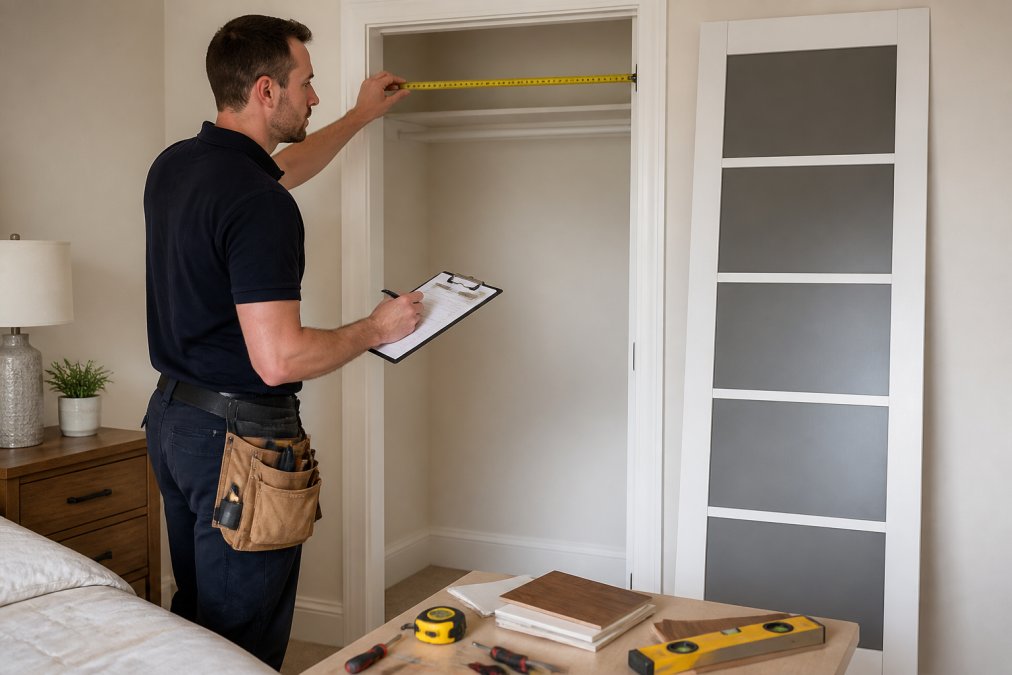
Accurate measurements are essential. Provide dimensions for height, width, and depth. Note any irregularities, sloping ceilings, uneven walls, electrical outlets, radiators, or architectural features. Take photos from multiple angles showing the space and surrounding area.
Most joiners conduct a site survey before quoting, typically costing £50-£150 but often waived if you proceed with the project. During the survey, the joiner assesses wall condition, takes precise measurements, identifies potential complications, and discusses your requirements.
Step 2: Define Your Design and Material Preferences
Be clear about your design priorities. Are you seeking simple and functional, or a statement piece? Are you open to different material options, or do you have specific preferences?
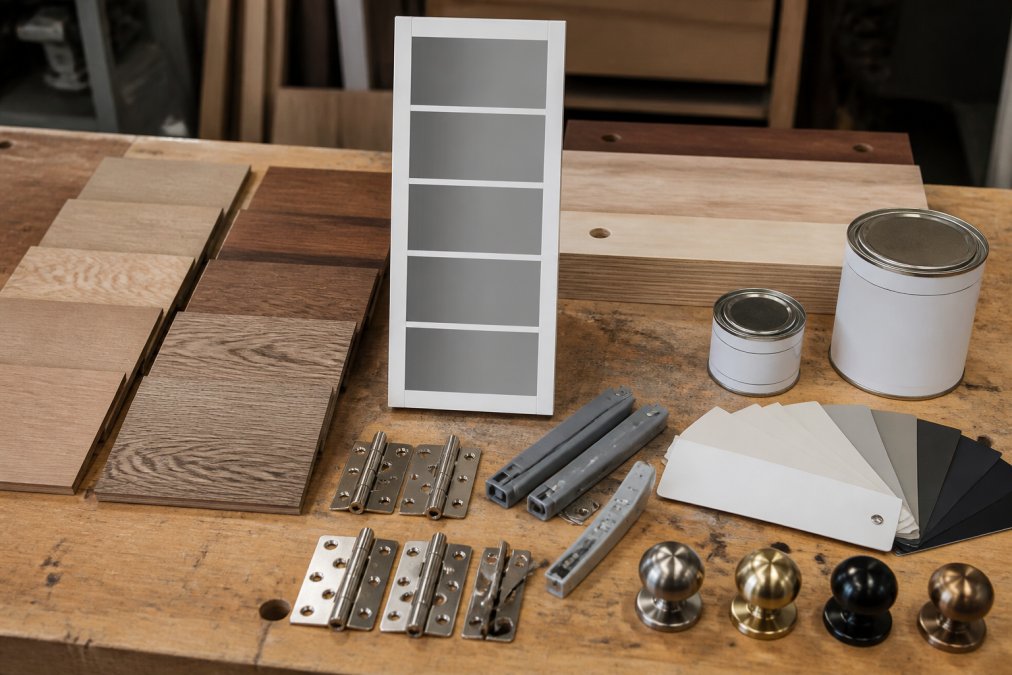
Discuss material options with the joiner. MDF offers affordability and durability. Solid timber offers character and longevity. Veneer options provide a balance. Specify finishes clearly, including paint colour, stain type, or natural finishes.
Step 3: Request a Detailed Quote Breakdown
A good quote itemises costs clearly:
- Materials (with unit costs and quantities)
- Workshop labour (hours and hourly rate)
- Site installation labour (hours and hourly rate)
- Hardware and fittings
- Finishing and painting
- Delivery costs
This transparency lets you understand where money is going and compare quotes fairly.
Step 4: Compare Quotes and Ask About Hidden Costs
Obtain at least three quotes before deciding. Significant price variations often indicate differences in specification, material quality, or efficiency rather than dishonesty.
Ask about potential additional costs: Will site conditions require additional work? What happens if measurements are incorrect? Are there costs for removing old joinery? What's included in the price?
Clarify payment terms and timeline. Many joiners request a deposit (typically 30-50%) to order materials, with the balance due on completion.
Premium Options and Long-Term Value
Investing in premium joinery options often delivers better long-term value than choosing budget alternatives.
Soft-close mechanisms on drawers and doors cost £200-£500 additional but eliminate slamming and reduce wear significantly. Integrated lighting, LED strips in shelving or under-cabinet lighting, costs £300-£800 but transforms functionality and appearance.
Premium hardware costs more but operates more smoothly and lasts longer. Budget hardware often becomes loose or sticky within a few years; quality hardware maintains performance for decades.
Solid timber construction costs more than MDF but ages beautifully and can be refinished if needed. If you plan to keep the joinery for 15+ years, solid timber often represents better value than budget alternatives.
The real measure of value isn't the lowest price, it's how well the joinery performs over time and whether it solves your space challenges effectively. Arborfield Joinery's approach combines quality materials with skilled craftsmanship to deliver joinery that enhances your home for decades.
Getting accurate bespoke joinery cost estimates requires understanding how design, materials, and labour interact to determine price. Investing time in site surveys, detailed design discussions, and careful quote comparison prevents costly mistakes and ensures you get value for money. When you're ready to move forward, Arborfield Joinery offers expert guidance, quality materials, and skilled installation to bring your vision to life. Our team can help you navigate the entire process, from initial consultation through final installation. Shop now to explore our range of premium doors, windows, and bespoke joinery solutions.
| Project Type | Typical Cost Range | Cost Per Linear Metre | Primary Cost Driver |
|---|---|---|---|
| Fitted Wardrobe | £2,000-£8,000 | £400-£1,200 | Labour (40-60%) |
| Media Wall | £3,000-£10,000 | £500-£1,500 | Design complexity |
| Alcove Shelving | £800-£3,000 | £300-£800 | Material choice |
| Internal Doors | £219-£330 | N/A | Specification & glass |
| External Doors | £600-£2,000 | N/A | Material & weatherproofing |
The bespoke joinery cost estimation process becomes clearer when you understand these fundamentals. According to the Building Research Establishment guidance on quality standards, precision craftsmanship and proper material specification are essential for joinery that performs well and lasts decades. Research from timber industry standards on material durability demonstrates that quality timber selection significantly influences long-term performance. For homeowners undertaking renovation projects, the Consumer Rights Act guidance on bespoke goods ensures you have clear protections and recourse if work doesn't meet agreed specifications.
Frequently Asked Questions
How much does bespoke joinery cost on average?
Bespoke joinery costs vary widely depending on complexity, materials, and labour. Fitted wardrobes typically range from £2,000 to £8,000+, whilst custom media walls can cost £3,000 to £15,000+. A bespoke internal door starts around £220-£330. Labour usually accounts for 40-60% of the total cost, with the remainder split between materials and hardware. Always request a detailed quote breakdown to understand where your money is going.
What is the joiner daily rate in the UK?
A skilled joiner's daily rate typically ranges from £150 to £300 per day, depending on experience, location, and project complexity. Highly specialised craftspeople working on luxury projects may charge more. When requesting quotes, clarify whether the daily rate is for workshop time, on-site installation, or both, as these may be charged differently. Many joiners provide fixed project prices rather than hourly rates to give you cost certainty.
What factors affect the cost of a bespoke joinery quote?
Key factors include design complexity (simple shelving costs less than intricate fitted furniture), material choice (solid timber costs more than MDF or melamine-faced chipboard), timber quality and finish, hardware selections, site access and installation difficulty, and timeline urgency. A site survey is essential, unusual window openings, awkward room shapes, or structural constraints all increase costs. Finishing options like hand-painting or staining also influence the final price.
Should I budget for a joiner's daily rate or a fixed project price?
A fixed project price is preferable for well-defined work like a fitted wardrobe or media wall, as it protects you from cost overruns. Daily rates work better for complex, unpredictable projects or when the scope might change. Always get a written quote with a detailed breakdown of labour, materials, and installation costs. Avoid quotes that lack this detail, transparency protects both you and the joiner.
Are there hidden costs in bespoke joinery projects?
Common hidden costs include site preparation (moving furniture, protecting floors), structural modifications if walls are uneven, additional hardware or finishing upgrades, delivery and installation fees, and contingency for unforeseen issues discovered during installation. Always ask your joiner to specify what's included in the quote and what costs extra. A reputable joiner will flag potential issues at the site survey stage and provide a transparent quote that covers all foreseeable expenses.
How do material choices affect bespoke joinery estimates?
Solid timber (oak, walnut, ash) costs significantly more than engineered options like MDF or melamine-faced chipboard. Finishing also matters: hand-painted timber costs more than stain or varnish. Premium hardware, glass inserts, and specialty hinges add to the cost. When requesting a quote, specify your material preferences clearly. Many joiners offer samples so you can see quality differences and make informed decisions about where to invest your budget for the best long-term value.
This article was written using GrandRanker
Share:
White Primed Doors: The Complete Homeowner’s Guide to Style and Selection
Internal Doors with Glass: A Complete Guide to Light, Style, and Privacy