
Table of Contents
- What Triple Glazed Timber Windows Are and How They Work
- Double Glazing vs Triple Glazing: Key Differences
- Energy Efficiency and Heat Retention Benefits
- Understanding Triple Glazing U-Value and Thermal Performance
- Noise Reduction, Comfort, and Condensation Control
- Triple Glazed Windows Cost, Payback, and Realistic Savings
- Triple Glazing Pros and Cons: When It's Worth the Investment
- Timber Frame Durability, Maintenance, and Lifespan
- Frequently Asked Questions
Last Updated: October 17, 2026
What Triple Glazed Timber Windows Are and How They Work
Triple glazed timber windows combine three layers of glass with two insulating air gaps to create a high-performance window system. We've worked with timber windows for decades and know how this design transforms comfort and energy use.
Each glass pane is separated by a sealed cavity filled with air or inert gas. The timber frame itself adds natural insulation and aesthetic warmth that complements period properties and modern homes alike.
The three-layer design traps heat inside during winter and blocks unwanted solar gain in summer. Sound vibrations lose energy passing through multiple glass layers, which is why these windows excel at noise reduction.
Double Glazing vs Triple Glazing: Key Differences
Double glazed windows use two glass panes with one air cavity. Triple glazed windows add a third pane and second cavity, creating measurable performance advantages.
The key differences break down like this:
- Thermal performance: Triple glazing reduces heat loss significantly more than double glazing. The extra cavity and pane create additional barriers to temperature transfer.
- Weight and cost: Triple glazed windows are heavier and more expensive to manufacture. Installation requires stronger frames and hinges to handle the extra weight.
- Noise reduction: Triple glazing outperforms double glazing for sound insulation, particularly for low-frequency traffic noise.
- Condensation control: Both systems prevent internal condensation when properly installed. Triple glazing performs slightly better in extreme cold.
- Solar gain: Triple glazing can reduce unwanted heat gain in summer, though this depends on glass coatings and orientation.
For noisy areas or maximum thermal performance, triple glazing delivers clear benefits. For standard renovations in quieter locations, double glazing often provides excellent results at lower cost.
Energy Efficiency and Heat Retention Benefits
Triple glazed timber windows reduce the amount of heat that escapes through your windows. In winter, this means your heating system works less hard to maintain comfortable temperatures indoors.
Windows account for a significant portion of total home heat loss, and triple glazing reduces this pathway substantially.
Rooms with triple glazed windows feel warmer at the same thermostat setting, most noticeably in rooms facing north or catching winter winds directly.
Timber's thermal mass also stabilises indoor temperature. Wood absorbs and releases heat gradually, smoothing out temperature swings and making your home feel more stable without constant heating adjustments.
Understanding Triple Glazing U-Value and Thermal Performance
The U-value measures how much heat passes through a window; lower values mean better insulation.
For comparison, a typical double glazed window sits around 1.4 to 1.8 W/m²K. Single glazed windows often exceed 5.0 W/m²K. The difference between these values translates directly into heating cost differences over time.
The whole-window U-value matters more than glass-only performance: frame, spacers, and installation all affect total thermal performance.
When comparing windows, ask for the whole-window U-value, not just the glass specification. This gives you the true performance picture.
Noise Reduction, Comfort, and Condensation Control
Triple glazed windows excel at blocking external noise. Traffic sounds, aircraft noise, and neighbourhood disturbances all lose intensity as they pass through three glass layers and two air cavities.
Thicker glass panes block lower frequencies better.
Homes near busy roads or airports see dramatic improvements in acoustic comfort, with bedrooms becoming genuinely quiet even when external noise remains high. This benefit often matters as much as energy savings.
Condensation forms when warm, moist air touches a cold surface. Triple glazing keeps the inner glass pane warmer, so condensation is less likely to form.
Proper ventilation prevents excessive internal moisture.
Triple Glazed Windows Cost, Payback, and Realistic Savings
Triple glazed timber windows cost more upfront than double glazed alternatives. The additional glass, gas filling, warm-edge spacers, and manufacturing complexity increase the price, and the extra weight means stronger frames, hinges, and more careful installation.
Heating bill savings depend on your current window specification, home insulation level, heating system efficiency, local climate, and fuel type. A home replacing single glazing with triple glazing sees larger savings than one upgrading from modern double glazing: the saving is not a property of the window alone, but the difference between the old window and the new one, multiplied by how much heat was escaping through the glass.
A transparent worked example
Consider a typical semi-detached home with single glazed timber windows, gas central heating, and a gas price of around 6-7p per kWh (Ofgem's price cap level has moved within this range in recent periods; check your own tariff). Suppose windows account for roughly 15-20% of total heat loss in a poorly insulated home.
That is a realistic order of magnitude, not a promise. A home already fitted with high-performance double glazing might see window-related savings of only £30-£60 a year, because the marginal improvement from a second cavity to a third is smaller than the jump from single to double.
What actually drives the payback
- Existing window condition: Single glazing or failed double glazing with blown seals gives the largest marginal gain.
- Fuel type and tariff: Homes on mains gas see smaller cash savings per unit of heat saved than homes using electricity, oil, or LPG, because gas is cheaper per kWh.
- Whole-house insulation: If walls, roof, and floors are poorly insulated, windows are a smaller share of the problem and the payback stretches out.
- Occupancy and thermostat habits: Savings only materialise if the improved comfort is not simply spent on a warmer house.
- Installation quality: A poorly fitted triple glazed window can underperform a well-fitted double glazed one, wiping out the theoretical saving.
Rather than chasing payback calculations, consider triple glazing as part of a broader comfort and durability investment. The windows will last 30-40 years or more with proper maintenance, delivering comfort, noise reduction, and reduced condensation throughout that lifespan regardless of energy bill changes. Get quotes for both double and triple glazing and compare the cost difference against your priorities: if noise reduction or maximum comfort matters most, triple glazing justifies the investment; if budget is tight and your current windows are already double glazed, the extra cost may not deliver proportional benefits.
Triple Glazing Pros and Cons: When It's Worth the Investment
Pros of triple glazed timber windows:
- Maximum thermal performance and heat retention in winter
- Excellent noise reduction for homes near traffic or airports
- Superior condensation control compared to double glazing
- Enhanced comfort due to warmer interior glass surfaces
- Timber framing adds natural beauty and insulation value
- Long lifespan with proper maintenance (30-40+ years)
- Supports passive house and ultra-low-energy building standards
Cons of triple glazed timber windows:
- Higher upfront cost than double glazed alternatives
- Heavier weight requires stronger frames and hinges
- Reduced solar gain in winter can be a disadvantage in poorly-insulated homes
- Installation must be precise, poor fitting negates performance benefits
- Timber requires regular maintenance to prevent rot and warping
- Payback period on energy savings alone can exceed 15 years
- May be unnecessary for homes already achieving good thermal performance
Triple glazing makes strongest sense for:
- Period properties where timber frames match the original aesthetic
- Homes in noisy urban areas or near transport routes
- Properties with poor existing insulation where every thermal improvement matters
- Renovation projects prioritising long-term comfort and durability
- Homes pursuing Passivhaus or zero-carbon building standards
Triple glazing may be overkill for:
- Modern homes already fitted with high-performance double glazing
- Rural properties in quiet locations where noise isn't a concern
- Projects with severe budget constraints
- Homes where other insulation gaps (walls, roof, doors) need addressing first
Timber Frame Durability, Maintenance, and Lifespan
With proper maintenance, timber frames typically perform for 30-40 years, and many exceed 50. The key is understanding what timber needs and planning maintenance accordingly.
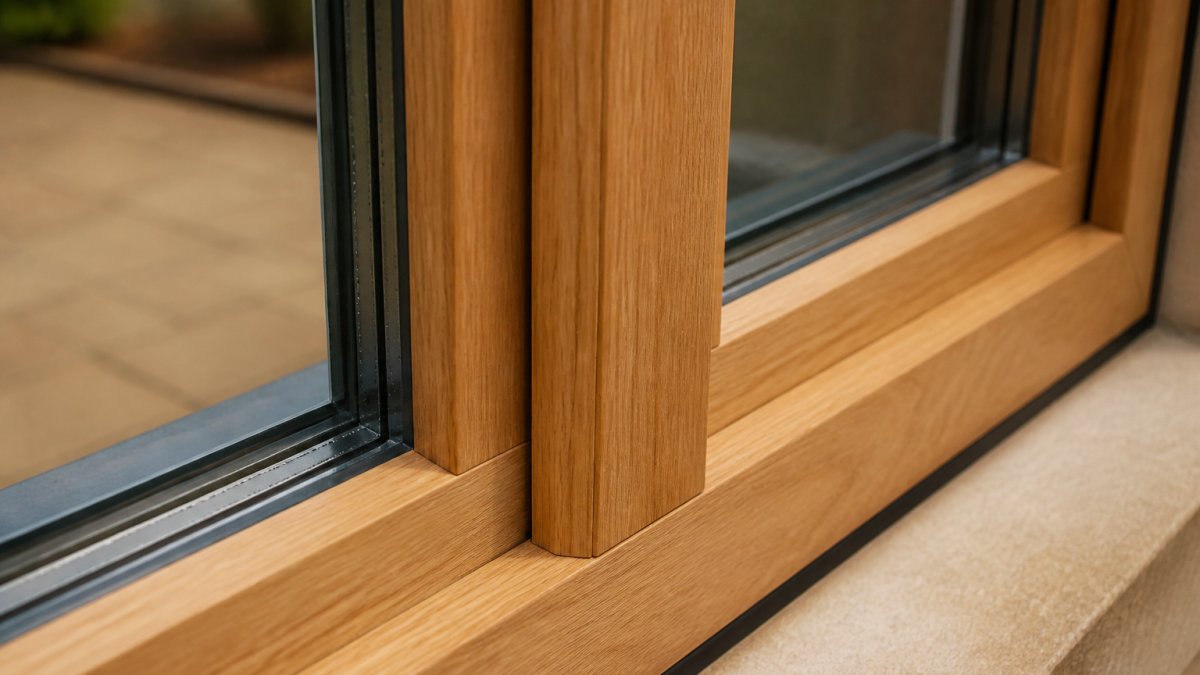
Timber expands and contracts with humidity and temperature changes, which is why annual inspection and maintenance matter. Paint or stain protects the wood from moisture penetration that causes rot and warping, and checking sealants around glass panes prevents water ingress.
Finishes and what they actually do
- Microporous paint or stain: Allows the timber to breathe while shedding liquid water. This is the standard choice for exterior faces and is what most joinery manufacturers apply in controlled factory conditions.
- Water-based versus solvent-based systems: Water-based microporous finishes are now common because they remain flexible and are easier to recoat, but they typically need recoating sooner than a well-applied solvent-borne system.
- Opaque versus translucent: Opaque paint hides grain movement and minor checking; translucent stains show the grain but demand more consistent preparation and recoating.
- End grain and joints: These are the vulnerable points. Factory-sealed end grain and properly drained joints are what separate a 40-year frame from a 15-year one.
The maintenance schedule is straightforward: every 2-3 years, inspect frames for paint damage or gaps in sealant; every 5-7 years, repaint or restain; annually, check and lubricate hinges and locks. On exposed elevations, south and west-facing walls, coastal locations, and anywhere subject to driving rain, shorten those intervals.
Repair rather than replace
One of timber's genuine advantages over uPVC is repairability.
When you choose bespoke timber windows from Arborfield Joinery, you're investing in craftsmanship that supports this long lifespan. Initial construction quality directly determines how well your windows age.
Timber maintenance is not burdensome, but it is essential. Aluminium or uPVC windows require less upkeep but lack timber's aesthetic warmth and natural insulation, and are less readily repaired. For homeowners who value authentic materials and will perform simple upkeep, timber windows deliver unmatched durability and character.
Frequently Asked Questions
Are triple glazed timber windows more energy efficient than double glazed windows?
Yes. Triple glazed timber windows offer superior thermal performance because they have three glass panes instead of two, with two insulating air or gas-filled cavities. This additional layer reduces heat loss significantly compared to double glazing. The exact improvement depends on the U-value, gas fill type, and spacer design, but triple glazing typically delivers 20-30% better insulation. For homes in colder climates or those seeking maximum energy efficiency, this translates to lower heating costs and improved indoor comfort throughout winter months.
What U-value should I look for in a triple glazed timber window?
For triple glazing, aim for a whole-window U-value of 1.0 W/m²K or lower. The best-performing units achieve 0.8 W/m²K or better, especially when combined with warm-edge spacers and low-emissivity coatings. Remember that the whole-window U-value (which includes the frame) matters more than the glass-only rating. Timber frames typically perform well thermally, but verify the manufacturer's certified U-value. Lower U-values mean better insulation and greater energy savings, though diminishing returns apply, moving from 1.2 to 0.8 saves more than moving from 0.8 to 0.6.
What are the disadvantages of triple glazing?
Triple glazing has several trade-offs. Cost is higher than double glazing, both for the windows themselves and installation. The extra weight demands stronger frames and careful installation, making fitting more complex. Triple glazing reduces solar gain slightly, which can be a drawback in winter or north-facing rooms where passive solar heat helps. Some homeowners report condensation between panes if seals fail, though this is rare with quality units. In mild climates or smaller properties, the energy savings may not justify the investment. Maintenance of timber frames requires regular attention to preserve performance and appearance.
How long do triple glazed timber windows last?
Quality triple glazed timber windows typically last 30-50 years or longer, depending on timber species, maintenance, and climate exposure. Hardwoods like oak and meranti generally outlast softwoods. The sealed glass units themselves often last 20-30 years before seals may degrade, though modern manufacturing has extended this. Timber requires regular maintenance, repainting or oiling every 5-10 years protects against rot and weather damage. Proper installation, good ventilation, and addressing any damage promptly all extend lifespan significantly.
Share:
Tongue and Groove Internal Doors: Style, Construction and How to Choose
Maintain Wooden Staircases in Period Properties