
Table of Contents
- How Double Glazing and Secondary Glazing Reduce Noise
- Double Glazing Noise Reduction: Performance and Acoustic Insulation
- Secondary Glazing for Noise Reduction: Acoustic Performance and Effectiveness
- Secondary Glazing Disadvantages: Limitations and Trade-Offs
- Best Glazing for Soundproofing: Comparing Performance, Cost, and Installation
- The Effect of Air Gap and Glass Thickness on Sound Reduction
- Making Your Choice: Which System Suits Your Property
- Conclusion
- Frequently Asked Questions
Last Updated: October 10, 2026
How Double Glazing and Secondary Glazing Reduce Noise
When it comes to reducing noise from outside, understanding double glazing vs secondary glazing for noise will help you choose the right window system. Double glazing and secondary glazing both work by creating separation between panes of glass, but they operate in different ways. Understanding how each reduces sound transmission helps you pick the right solution for your home.
How double glazing reduces noise
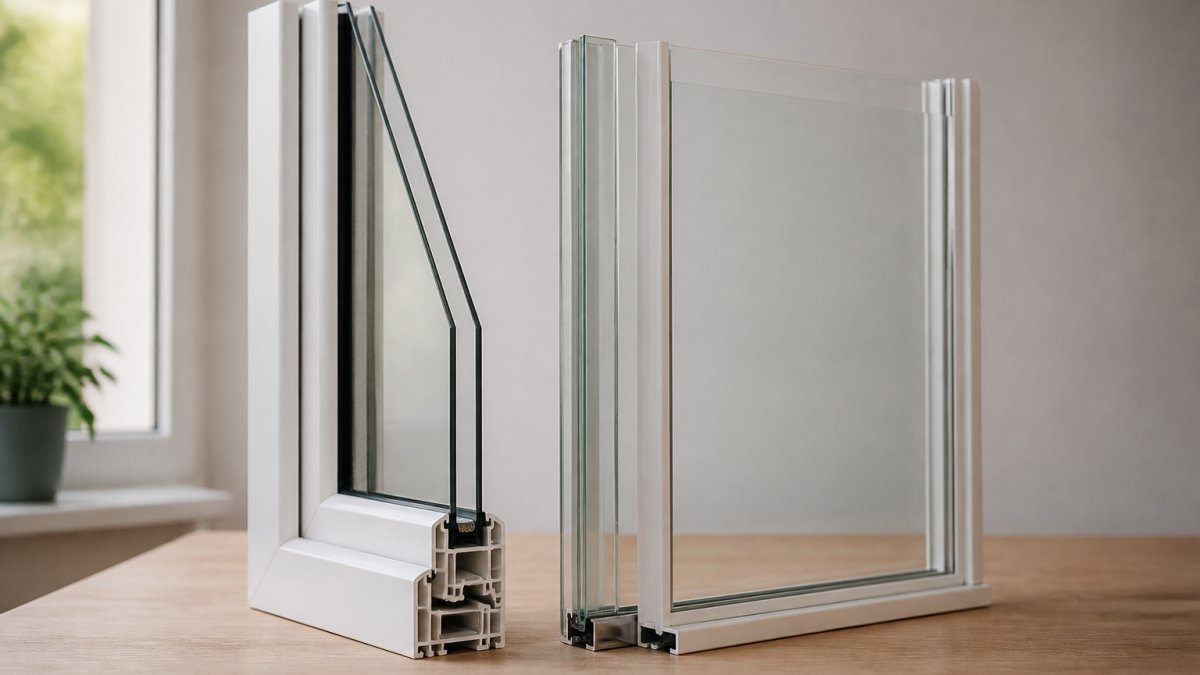
Double glazing works by trapping air between two panes of glass. Sound waves hit the first pane, lose energy crossing the air gap, and hit the second pane with much less force. The wider the gap between the panes, the more effective this becomes.
Glass thickness matters too. Thicker glass resists vibration better than thin glass. When sound tries to make the glass vibrate, thicker panes absorb more of that vibration energy. A common approach is to use different thicknesses on each pane, for example, 4mm and 6mm glass rather than matching panes. This prevents resonance, where both panes vibrate at the same frequency and amplify noise instead of blocking it.
Most modern double-glazed units sit in a frame with seals around the edges. If these seals are poor or gaps exist, noise leaks through. Installation quality matters as much as the glazing itself. Proper sealing and fitting prevent sound from sneaking around the edges.
How secondary glazing reduces noise
Secondary glazing adds a second window inside your existing frame. You keep your original windows and install new ones in front of them, creating a larger air cavity than standard double glazing allows. This bigger gap is the key advantage.
The air gap in secondary glazing typically ranges from 100mm to 300mm or more, compared to 6mm to 20mm in most double-glazed units. A larger cavity absorbs more sound energy. The original window and the new secondary window act as two separate barriers, each blocking some noise before it reaches the next layer.
Like double glazing, the glass thickness and quality matter. Laminated glass, where a plastic layer sits between two sheets, performs better than plain glass because the plastic layer dampens vibration. Secondary glazing systems often use this type of glass for improved acoustic performance.
Double Glazing Noise Reduction: Performance and Acoustic Insulation
Double glazing reduces external noise by a noticeable amount. The degree of reduction depends on several factors: the air gap width, glass thickness, the type of noise, and how well the unit is installed and sealed.
Traffic noise and road noise are lower-frequency sounds. Double glazing handles these reasonably well, though not perfectly. Higher-frequency sounds like voices or alarm sirens are easier for double glazing to block. The acoustic insulation improves when you use thicker glass and wider air gaps within the unit.
Installation quality is critical. A perfectly designed double-glazed unit with poor sealing around the frame loses much of its benefit. Sound finds the path of least resistance, and gaps around the edges or poor frame fit create that path.
Double glazing also provides thermal efficiency and improves security, so the acoustic benefit is one of several advantages. For many homes, especially those not on very busy roads, double glazing offers a practical balance of noise reduction, insulation, and cost.
Secondary Glazing for Noise Reduction: Acoustic Performance and Effectiveness
Secondary glazing typically delivers better acoustic insulation than double glazing, particularly for lower-frequency traffic noise. The larger air gap is the main reason. Sound waves lose more energy crossing a 150mm cavity than a 12mm one.
The separation between the two window systems means each acts independently. Your original window absorbs some vibration. The air gap absorbs more energy. The secondary window absorbs what remains. This layered approach is more effective than a single double-glazed unit.
Secondary glazing also lets you choose the glass type for each layer. You might use standard glass in the secondary frame and laminated or acoustic glass in the original window, or vice versa.
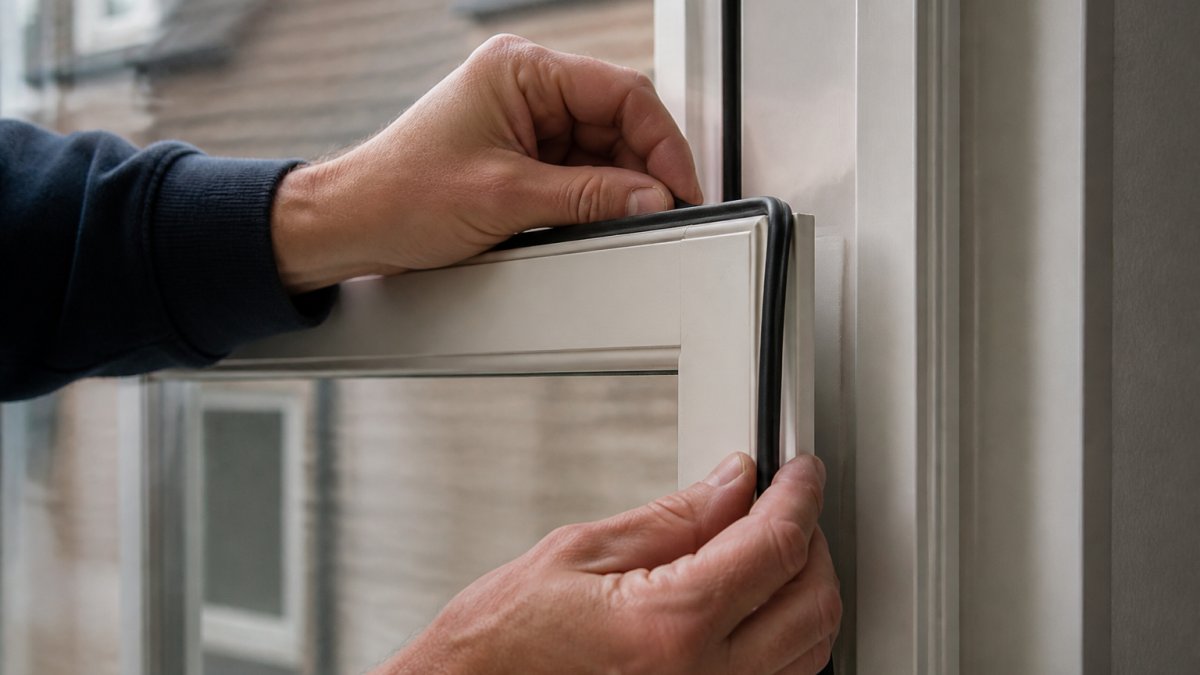
The acoustic performance improves further if you install the secondary glazing carefully. Loose fit, gaps, or poor sealing undermine the benefit. Professional installation ensures the frame sits tight and seals are complete.
Secondary Glazing Disadvantages: Limitations and Trade-Offs
Secondary glazing isn't perfect for every situation. Understanding the downsides helps you decide whether it's right for your property.
Installation disruption. Adding secondary glazing to every window takes time and effort. Your home is disrupted during the work.
Maintenance burden. You now have two window systems to clean and maintain instead of one. Seals on both the original and secondary windows need checking.
Cost of materials and labour. Secondary glazing typically costs more upfront than double glazing for the same number of windows. Labour to fit it properly is substantial.
Aesthetic changes. Secondary glazing adds visible frames inside your rooms. For period properties or homes with character windows, this can alter the interior appearance. Some people find the extra frames intrusive.
Reduced light and views. Two window systems mean more frames and more glass surfaces to see through.
Not suitable for all window types. Deep window reveals, unusual shapes, or very old frames can make secondary glazing difficult to fit properly.
Best Glazing for Soundproofing: Comparing Performance, Cost, and Installation
Choosing between double glazing vs secondary glazing for noise reduction comes down to your specific situation. Neither is universally "best", context matters.
Choose double glazing if:
- Your windows are already single-glazed and need replacing anyway
- You want to improve thermal efficiency and security alongside noise reduction
- Your budget is moderate and you want a one-time retrofit
- You're not on an extremely noisy road
- Your property has standard window openings
- You prefer a cleaner interior appearance with fewer visible frames
- You want minimal maintenance burden
Choose secondary glazing if:
- Your existing windows are in good condition and you want to keep them
- You live on a very busy road or near a noise source
- You need maximum acoustic insulation possible
- Your property has listed building status or period features you must preserve
- You can tolerate the extra frames and maintenance
- You have the budget for a more comprehensive solution
- You want flexibility to upgrade just the noisiest rooms first
The real performance difference emerges on high-noise properties. Secondary glazing's larger air gap delivers noticeably better results in those situations. For moderate noise environments, double glazing often performs well enough at lower cost and disruption.
At Arborfield Joinery, we work with homeowners and builders to assess their specific noise challenge and recommend the right glazing solution. Victorian terraces with odd window openings, period properties with heritage constraints, and modern homes all have different needs. Our team can advise on what works for your property.
The Effect of Air Gap and Glass Thickness on Sound Reduction
The air gap between panes is one of the most important factors in acoustic performance. Larger gaps reduce noise more effectively than small ones. A 20mm gap performs better than a 12mm gap.
Why? Sound travels through air as vibrating waves. A wider gap gives those waves more distance to travel and lose energy. The air itself absorbs some of the sound, particularly at lower frequencies.
Glass thickness also affects performance. Thin glass vibrates easily when sound hits it. Thick glass resists that vibration. A 4mm pane blocks less noise than a 6mm pane. A 10mm pane blocks more still.
Laminated glass outperforms standard glass at the same thickness. The plastic interlayer damps vibration. This is why secondary glazing systems often specify laminated glass in one or both panes.
The combination matters most. A large air gap with thin, matching glass performs worse than a smaller gap with asymmetric, thicker glass. A large gap with laminated glass on both sides performs best.
Making Your Choice: Which System Suits Your Property
Your decision should rest on four practical questions: How much noise reaches your windows now? What's your budget for the work? Can your windows stay as they are, or do they need replacing anyway? And what disruption can you tolerate?
If your existing windows are single-glazed and failing (drafts, condensation, poor seals), replacement with double glazing makes sense. You fix the noise problem while upgrading insulation and security. The work happens once. The cost is substantial but justified by multiple benefits.
If your windows are sound but you have a serious noise problem, a busy main road, railway line, or airport nearby, secondary glazing may deliver the acoustic improvement you need. You keep your existing windows, which matters for period properties or listed buildings.
If you're unsure whether your current noise level justifies the expense, consider a trial. Fit secondary glazing to one or two rooms first. Live with it for a few weeks.
Installation quality determines whether either system delivers its acoustic potential. Gaps around frames, poor seals, or loose fit all undermine performance. Choose an installer with experience in acoustic glazing, not just standard window fitting.
At Arborfield Joinery, we supply both double-glazed units and secondary glazing systems, and our team can help you find the right solution for your noise challenge.
Conclusion
Double glazing and secondary glazing both reduce external noise, but they do it in different ways and suit different situations. Double glazing works well for moderate noise environments and delivers multiple benefits, thermal efficiency, security, and cleaner aesthetics. Secondary glazing excels on high-noise properties where the larger air gap makes a real difference to acoustic insulation, and it's ideal when you need to preserve existing windows.
The right choice depends on your noise level, budget, window condition, and tolerance for disruption. If you're tackling this decision for your home, we recommend assessing your specific situation carefully before committing. Proper installation matters as much as the system you choose, poor sealing or gaps undermine any glazing system's acoustic performance.
We're here to help you get it right. At Arborfield Joinery, we supply high-quality double-glazed units and secondary glazing systems, and our team can advise you on which suits your property best. We've been helping homeowners and builders solve window challenges since 1953, and we pride ourselves on expert advice, quality products, and reliable service.
Frequently Asked Questions
What is the best glazing for soundproofing a noisy bedroom?
The best glazing for soundproofing depends on your starting point and constraints. If you have single-glazed windows, double glazing offers substantial noise reduction at a lower cost than secondary glazing. If you already have double glazing but still hear traffic noise, secondary glazing with a wide air gap (100-200 mm) and laminated glass performs exceptionally well. For maximum acoustic insulation, triple glazing or laminated units reduce sound transmission across a wider range of frequencies, though they cost more and require structural assessment.
Does secondary glazing reduce traffic noise more than double glazing?
Secondary glazing can outperform double glazing for traffic noise reduction, particularly when installed with a large air gap (150+ mm) and acoustic laminated glass. The key advantage is flexibility: you can retrofit it to existing windows without full replacement. However, performance depends heavily on proper installation and air gap width. Double glazing offers more consistent acoustic performance during manufacture and installation, and costs significantly less. For busy roads with high noise levels, secondary glazing typically delivers superior results, but only if installed correctly with sealed frames and appropriate glass specifications.
Why can I still hear noise through my double glazing?
Noise leaks through double glazing for three main reasons: poor installation allowing sound to bypass the seals, inadequate air gap (less than 12 mm), and single-pane acoustic performance insufficient for your noise environment. Double glazing works by separating vibration transmission, but if the frame is not airtight or the air gap is too small, sound finds a path around the glazing. Busy roads, aircraft, or railway noise may exceed what standard double glazing can handle. Secondary glazing or upgrading to acoustic laminated units can address these issues by adding another layer of sound insulation.
How much of a gap should there be between secondary and primary glazing?
The air gap between secondary and primary glazing should ideally be 100-200 mm for optimal noise reduction. Gaps smaller than 50 mm offer minimal acoustic benefit because sound vibration transmits between the panes too easily. Wider gaps (150-200 mm) provide better performance across a broader range of frequencies, especially for low-frequency noise like traffic rumble. However, frame depth and building constraints may limit how wide a gap you can achieve. Installation quality matters as much as gap size: poor sealing around frames creates sound leaks that undermine acoustic performance regardless of gap width.
Share:
Architrave Buying Guide: Choose the Right Style, Finish and Fit
Best Acoustic Rated Bedroom Doors: UK Buying Guide