

Table of Contents
- What Thermal Performance in Joinery Actually Means
- How Heat Loss Through Doors and Windows Affects Your Home
- Window U-Value Explained: Reading the Numbers That Matter
- Material Choices: Timber, Glazing, and Thermal Conductivity
- Draught-Proofing Windows and Doors to Eliminate Air Leakage
- Energy-Efficient Timber Windows: Balancing Heritage and Performance
- Installation Quality and Thermal Bridges: Why Joinery Fit Matters
- Thermal Performance and Long-Term Durability
- Frequently Asked Questions
Last Updated: October 14, 2026
What Thermal Performance in Joinery Actually Means
Thermal performance in joinery refers to how well doors, windows, and other timber products prevent heat from escaping your home. It measures the rate at which heat transfers through the frame, glass, and seals. A door or window with good thermal performance keeps warm air in during winter and cool air in during summer. Poor thermal performance means your heating and cooling systems work harder, using more energy and costing you more money.
At Arborfield Joinery, we understand why thermal performance matters for joinery, it isn't just a technical specification. It's the difference between a comfortable home and one where you're constantly adjusting the thermostat. When heat escapes through poorly performing joinery, you feel it as draughts, cold spots near windows, and rising energy bills.
Think of your joinery as part of your building envelope. The building envelope is the barrier between your home's interior and the outside environment. Every gap, every weak seal, and every material choice affects how well that barrier works. Windows and doors account for a significant portion of heat loss in most homes. Understanding why thermal performance matters for joinery is essential for comfort, cost, and durability.
How Heat Loss Through Doors and Windows Affects Your Home
Heat moves through three main pathways: conduction, convection, and radiation. Conduction happens when heat travels directly through materials. A single-pane window conducts heat much faster than a double-glazed one. Convection occurs when warm air moves across surfaces and escapes through gaps and draughts. Radiation is heat energy that travels through space, which is why low-emissivity glass helps reflect it back inside.
When your doors and windows perform poorly thermally, the impact on your home is immediate. You'll notice cold spots on exterior walls near windows. You'll feel draughts even when windows are closed. Your heating system runs longer to maintain comfortable temperatures. In summer, cool air leaks out, forcing your air conditioning to work overtime.
The cumulative effect across an entire home is substantial. A single poorly performing window might not seem significant. But most homes have multiple windows and doors. When you add up the heat loss across all of them, the effect on your energy consumption becomes clear. Many homeowners are surprised by how much their heating bills drop after upgrading to thermally efficient joinery.
Window U-Value Explained: Reading the Numbers That Matter
U-value is the standard measure of thermal performance for windows and doors. It measures how much heat passes through a product per hour, per square metre, per degree of temperature difference. The unit is watts per square metre per Kelvin: W/(m²·K).
Here's what matters: a lower U-value is better. A U-value of 1.0 means less heat escapes than a U-value of 2.0. Think of it like water flowing through a pipe. A narrower pipe (lower U-value) restricts flow. A wider pipe (higher U-value) allows more flow.
Traditional single-pane windows typically have U-values around 5.0 to 6.0. Double-glazed windows range from 2.0 to 3.0. Modern high-performance windows with triple glazing and low-emissivity coatings can achieve U-values below 1.0. The Thermawood range at Arborfield Joinery, for example, delivers U-values of 1.32-1.36 W/(m²·K), which represents a significant improvement over standard options.
When you're comparing joinery options, U-value tells you exactly how much thermal benefit you're getting. It's not marketing speak. It's a measurable, comparable metric. A window with a U-value of 1.5 will always outperform one with a U-value of 2.5, regardless of brand or appearance.
| Window Type | Typical U-Value | Thermal Performance | Energy Impact |
|---|---|---|---|
| Single glazing | 5.0-6.0 | Poor | High heat loss |
| Double glazing | 2.0-3.0 | Moderate | Significant loss |
| High-performance double | 1.3-1.8 | Good | Reduced loss |
| Triple glazing | 0.6-1.2 | Excellent | Minimal loss |
Material Choices: Timber, Glazing, and Thermal Conductivity
The materials you choose directly determine thermal performance. Timber is naturally a good insulator because it has low thermal conductivity. Wood fibres trap air, which slows heat transfer. This is why timber windows and doors remain popular for both heritage and modern properties.
Glazing is where most heat loss occurs in modern windows. Single pane glass conducts heat easily. Double glazing creates an air gap that acts as insulation. Triple glazing adds another layer of insulation. The gas used in the gap matters too. Air is a basic insulator.
Low-emissivity (Low-E) coatings on glass reflect infrared heat back into your home while allowing visible light through. This coating is invisible to the eye but dramatically improves thermal performance. A double-glazed window with Low-E coating performs better than a triple-glazed window without it.
Frame material also affects overall performance. Timber frames are thermally superior to aluminium. However, modern aluminium frames with thermal breaks (plastic or rubber separators between inner and outer sections) perform reasonably well. The Thermawood doors at Arborfield Joinery use a unique construction with aluminium reinforcement that combines strength with thermal efficiency.

The junction between the frame and the wall is critical. Poor installation or inadequate sealing here creates thermal bridges that bypass the insulation properties of the window itself. This is why installation quality matters as much as product choice.
Draught-Proofing Windows and Doors to Eliminate Air Leakage
Even a perfectly glazed window loses its thermal benefits if air leaks around the frame. Air leakage is often more significant than conduction through the glass itself. Draughts occur when cold air enters around loose seals, weatherstripping, or gaps in the frame.
Draught-proofing involves sealing these gaps. Quality weatherstripping around the frame edge is essential. The seal must be compressed when the window or door closes, creating an airtight barrier. Over time, weatherstripping deteriorates. If your windows are over 10 years old, new weatherstripping alone can noticeably improve thermal performance.
Sealant around the frame perimeter is equally important. When a window is installed, the gap between the frame and the wall opening must be sealed with expanding foam and caulk. Poor installation leaves gaps that allow cold air to infiltrate. This is why installation quality directly impacts thermal performance.
Draught-proofing isn't just about comfort. Air leakage increases heating demand. It also allows moisture infiltration, which can damage timber frames and promote mould growth. Proper draught-proofing addresses all these issues simultaneously.
For existing windows, draught-proofing measures include:
- Replacing worn weatherstripping
- Applying silicone sealant around frame edges
- Installing draught excluders on doors
- Caulking gaps between the frame and wall
These upgrades are relatively inexpensive compared to window replacement but deliver noticeable thermal improvements.
Energy-Efficient Timber Windows: Balancing Heritage and Performance
Many properties, particularly older homes, benefit from retaining original timber windows for aesthetic reasons. Heritage considerations often prevent replacement with modern alternatives. Fortunately, energy-efficient timber windows now bridge this gap. You can maintain the character of your property while improving thermal performance.
Hillingdon Oak External Thermal Door →
Modern timber windows use high-performance glazing and improved frame construction. Timber's natural insulating properties combine with contemporary glass technology. The result is a window that looks traditional but performs like a modern product. This is especially valuable for period properties where planning restrictions or conservation guidelines apply.
The challenge with heritage properties is that non-standard window openings are common. Victorian terraces, Georgian townhouses, and older cottages rarely have uniform window sizes. Bespoke timber windows solve this problem. They're manufactured to fit your exact opening, eliminating the gaps and compromises that come with standard sizes.
Arborfield Joinery specialises in bespoke timber windows for exactly this scenario. Custom manufacturing means your windows fit perfectly, maximising thermal performance by eliminating installation gaps. The Hillingdon Oak External Door, for example, combines traditional appearance with modern insulation and security standards.

Timber windows also age gracefully. With proper maintenance, they last decades. They can be repaired, repainted, and refurbished. This longevity is both environmentally and economically sensible. A timber window that lasts 50 years is more sustainable than a cheaper alternative that needs replacement in 15 years.
Installation Quality and Thermal Bridges: Why Joinery Fit Matters
Installation quality determines whether your joinery performs as designed. A poorly installed high-performance window underperforms a well-installed standard window. The junction between the window frame and the wall is critical.
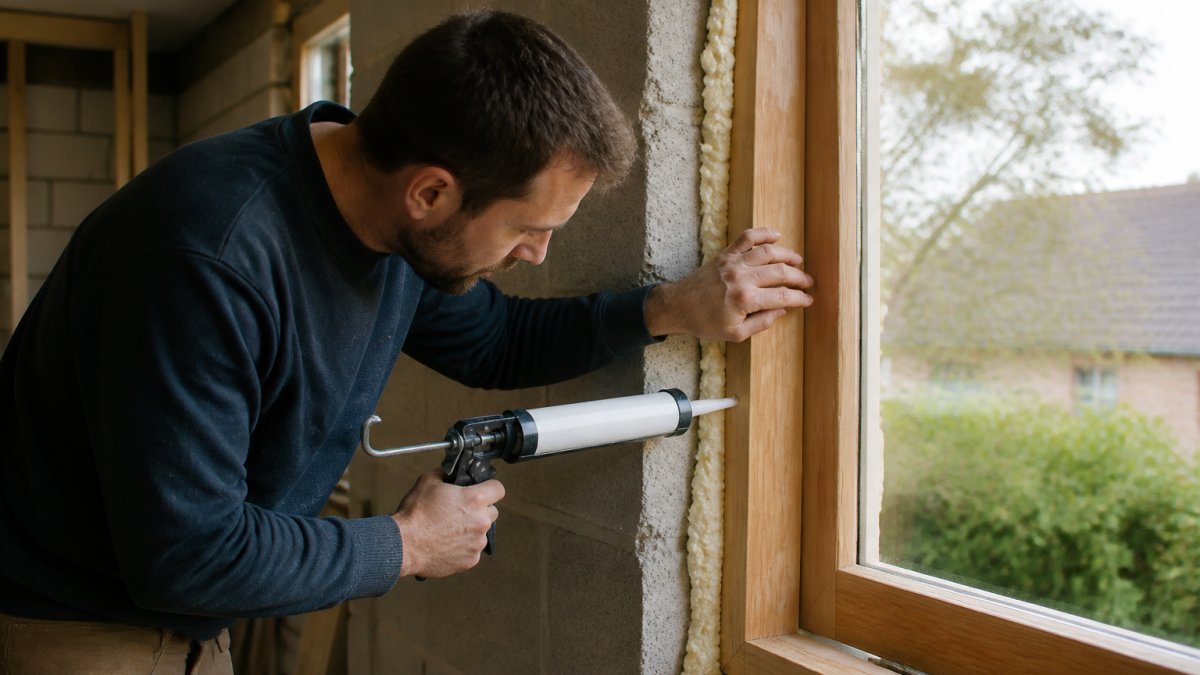
Thermal bridges are pathways where heat escapes more rapidly than through the surrounding insulation. They occur at structural penetrations, where frames meet walls, and where different materials connect.
Proper installation minimises thermal bridges. The gap between the frame and the wall must be filled with expanding foam insulation. The foam must be applied fully, without voids.
Many installation problems stem from rushing the job. Expanding foam requires time to cure properly. Caulk must be applied in dry conditions. If these steps are skipped or done carelessly, thermal performance suffers immediately.
The frame itself can create thermal bridges if not designed carefully. Metal frames conduct heat rapidly. Aluminium frames without thermal breaks are particularly problematic. This is why frame material and design matter.
Installation also affects airtightness. Even tiny gaps allow air infiltration. Professional installers use proper techniques to ensure the frame is level, plumb, and fully sealed. DIY installation or work by inexperienced tradespeople often results in subtle misalignment that creates draughts.
Thermal Performance and Long-Term Durability
Good thermal performance and durability are closely linked. When joinery performs well thermally, it experiences less stress from temperature fluctuations. Condensation is minimised, reducing moisture damage. The materials remain more stable, extending the product's lifespan.
Poor thermal performance accelerates degradation. Condensation on cold windows promotes mould and rot in timber frames. Temperature swings cause expansion and contraction, loosening joints and seals. Over time, these stresses compound, leading to premature failure.
Timber is particularly sensitive to moisture. A well-sealed, thermally efficient window keeps the frame dry. A poorly performing window that allows condensation buildup deteriorates rapidly.
Regular maintenance extends the life of any joinery. Painting timber windows every 5-7 years protects against weather damage. Checking seals and weatherstripping annually catches problems early.
The long-term cost of joinery includes both the initial purchase and the maintenance it requires. A high-performance window costs more upfront but lasts longer and costs less to maintain.
At Arborfield Joinery, we've seen this pattern repeatedly. Customers who invest in quality, thermally efficient joinery report satisfaction for decades. Those who choose the cheapest option often regret the decision within a few years.
Thermal performance in joinery is the foundation of energy-efficient, durable homes. Whether you're upgrading old windows, installing new ones, or restoring heritage joinery, thermal performance should guide your decisions.
Frequently Asked Questions
What does a window's U-value mean, and why should I care?
A U-value measures how much heat escapes through a window or door, expressed in W/(m²·K). Lower numbers mean better insulation. For example, the Thermawood range achieves U-values of 1.32-1.36 W/(m²·K), which reduces heating demand significantly compared to older, single-glazed joinery. A typical Victorian sash window might have a U-value above 5, meaning five times more heat loss.
How can draught-proofing windows and doors reduce my heating bills?
Draughts account for substantial heat loss and energy waste, especially around poorly fitted frames and joints. Draught-proofing seals gaps where cold air enters, stabilising indoor temperature and reducing the work your heating system must do. Well-sealed joinery with proper weatherstripping and frame installation can lower heating demand by 10-15%, depending on the age and condition of existing windows and doors.
Are energy-efficient timber windows worth the cost compared to cheaper alternatives?
Energy-efficient timber windows cost more upfront but deliver long-term savings through reduced heating bills, improved comfort, and durability. Timber maintains thermal performance better than some materials, resists warping when properly installed, and complements both heritage and modern homes. Over 15-20 years, the energy savings and avoided replacement costs often offset the initial investment, especially in properties with high heating demand.
Why does installation quality matter as much as the joinery product itself?
Poor installation creates thermal bridges and air leakage that undermine even high-performance joinery. Gaps around frames, missing insulation at junctions, and incorrect sealing allow heat to escape and cold air to enter. Professional installation, measuring accurately, sealing structural penetrations, and fitting frames flush with the building envelope, ensures the joinery performs as designed and prevents condensation and mould.
Share:
Space-Saving Door Solutions for Small Flats: Buying Guide
Oak Stair Treads and Risers: A Practical Buying Guide