
Table of Contents
- What Defines Bespoke Joinery for Modern Homes?
- Bespoke Storage Solutions for Modern Interiors
- Modern Timber Window and Door Design Trends
- The Cost of Bespoke Joinery vs Off-the-Shelf
- A Technical Specification Checklist for Your Project
- Maintenance and Longevity: Protecting Your Investment
- Conclusion: Making Bespoke Joinery Work for Your Renovation
- Frequently Asked Questions
Last Updated: September 5, 2026
What Defines Bespoke Joinery for Modern Homes?
Bespoke joinery for modern homes is the design and manufacture of custom timber elements, from fitted wardrobes to windows and staircases, made to exact measurements rather than standard sizes. Every piece is engineered for the specific space, the architectural style, and the way you actually live. At Arborfield Joinery, a family business crafting timber products since 1953, we have seen how a single made-to-measure piece transforms awkward alcoves and odd openings into the most functional parts of a property.
The process begins with precision measuring. Skilled joiners assess the space, account for walls that are rarely perfectly square, and design joinery that fits flush with no gaps or drafts. This is the core difference: off-the-shelf items force your home to adapt to them, while bespoke pieces adapt to your home. The result is spatial optimisation that makes the most of every centimetre, which matters enormously in modern interiors where square footage comes at a premium. The Royal Institute of British Architects guidance on home renovations notes that well-planned storage and fitted elements are central to making compact spaces feel larger and more liveable.
Bespoke Storage Solutions for Modern Interiors
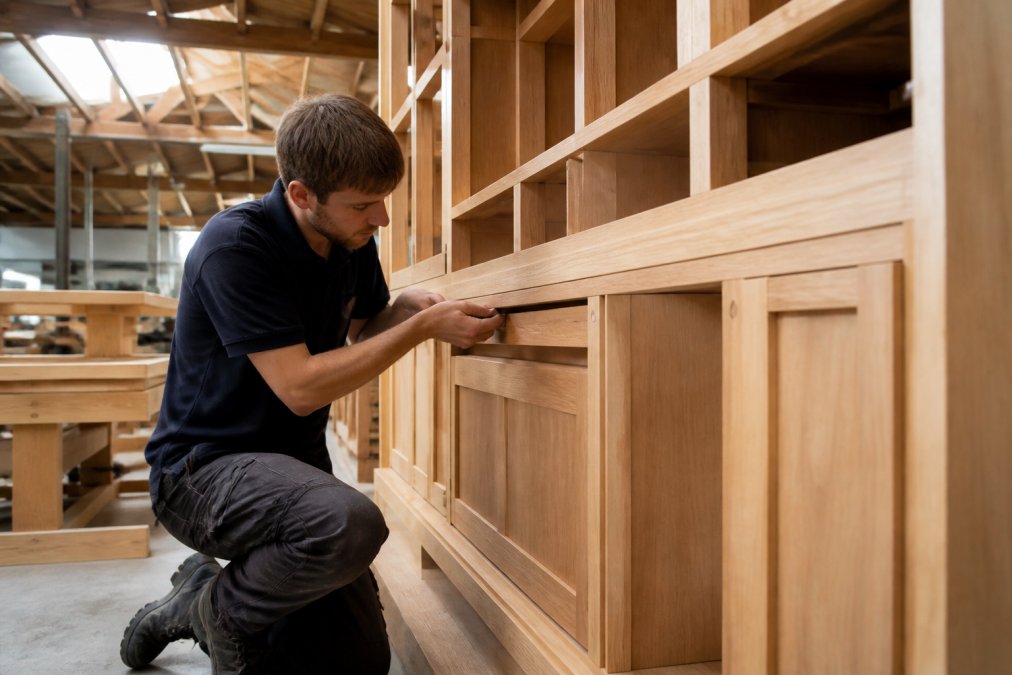
Bespoke storage solutions solve the problem that plagues most homes: there is never enough space, yet there is always wasted space. Custom cabinetry uses every recess, under-stair void, and sloping ceiling line to create storage that looks intentional. Bespoke wardrobes fitted floor-to-ceiling eliminate the dusty gap above standard units, while custom media units and alcove shelving turn dead zones into display and organisation hubs.
The design freedom is where bespoke joinery truly excels. You choose the internal configuration, hanging rails versus drawers, hardware, and handcrafted finishes. A common mistake is assuming custom means complicated; in practice, you share your needs, the joiner proposes a tailored design, and you refine it. Multi-functional spaces benefit most: a home office hidden behind panelled doors, built-in seating with storage beneath, or a dressing area carved from a landing are all achievable with careful planning.
Modern Timber Window and Door Design Trends
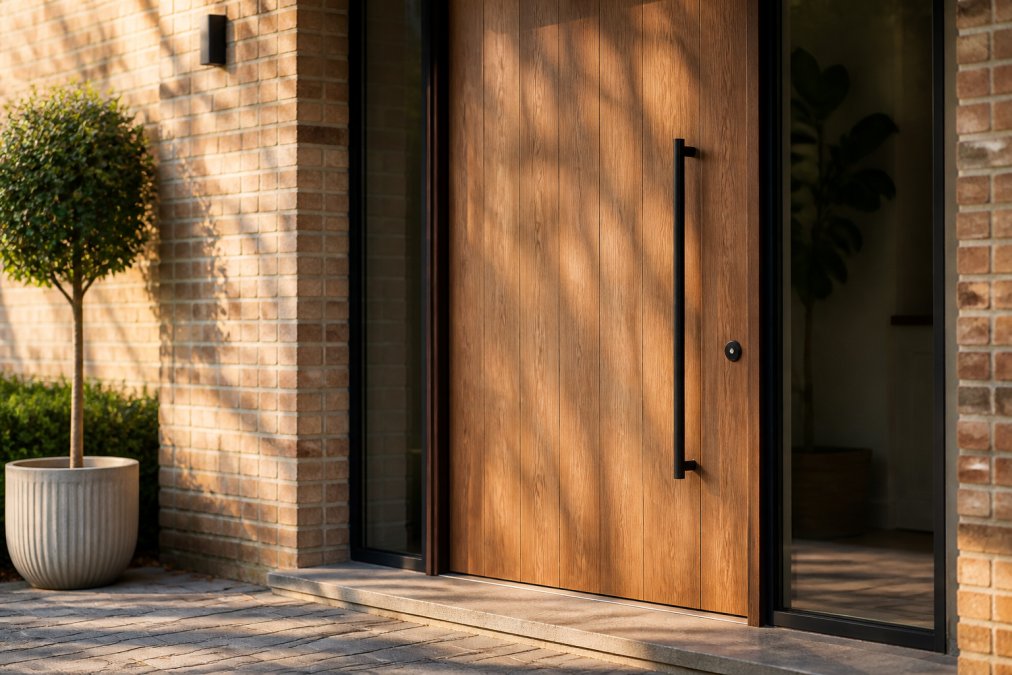
Timber remains the material of choice for homeowners who want warmth, character, and longevity, and modern design trends are pushing it in exciting directions. Slimmer frames, larger glazing panels, and flush-fitting casements dominate current taste, allowing natural light to flood interiors while maintaining thermal efficiency. Bespoke doors and windows are particularly valuable in heritage properties, where standard sizes rarely match the original openings, and in new builds where architects specify non-standard proportions.
Integrating Smart Home Technology
Modern homes increasingly rely on smart technology, and bespoke joinery can seamlessly integrate it, something off-the-shelf products rarely accommodate. For windows, consider concealed motorised openers that connect to home automation systems, hidden within the frame profile to preserve clean sightlines. For doors, smart locks can be recessed into the timber edge, avoiding bulky surface-mounted hardware. Discuss cable routing channels and power supply points with your joiner to ensure the technology is discreet and functional, future-proofing your home from the outset rather than retrofitting later.
Thermal Performance and Glazing Specifications
Beyond aesthetics, modern timber windows and doors must meet stringent thermal performance standards. The UK Government building regulations for windows and doors set out minimum U-values for new and replacement glazing, typically around 1.4 W/m²K for windows, but many bespoke manufacturers achieve lower values with triple glazing or warm-edge spacer bars. When specifying, ask for the whole-window U-value, not just the glass, as the frame material and design significantly affect overall performance. Timber naturally offers good insulation, but the choice of glazing, double or triple, low-E coatings, and argon gas filling, will determine how well the window retains heat. For doors, consider the threshold design; a flush or low-profile threshold improves accessibility but may require careful detailing to prevent draughts and water ingress. Your joiner should provide clear data on thermal performance and compliance with building regulations, ensuring your bespoke joinery contributes to energy efficiency and lower heating bills.
The Industrial Aesthetic and Steel-Timber Combinations
The industrial aesthetic has also arrived in timber joinery. The Shoreditch White Primed Urban Internal Door, available bespoke from Arborfield Joinery, brings a five-panel industrial style into contemporary homes, with a solid softwood core for strength and stability. For a bolder statement, the OTIF Steel Hinged Door combines slimline steel frames with maximum light flow, made to your exact specification for size, colour, and glazing. The steel frame provides structural rigidity, allowing for larger glazing panels without bulky timber mullions. This combination is a growing trend in modern extensions and loft conversions, where the contrast between warm timber and cold steel creates striking visual tension. Consider maintenance implications: steel frames may require periodic repainting to prevent corrosion, while timber sections need the same care as any exterior joinery.

Practical Considerations for Modern Homes
When planning bespoke windows and doors, think beyond the initial design. Consider the direction of opening and how it affects internal blinds or external shutters. For limited space, sliding or folding mechanisms may be more practical than hinged doors. Consider acoustic insulation if you live near a busy road; laminated glass can significantly reduce noise. Ensure your chosen hardware, handles, hinges, and locks, complements the design and is rated for the weight and frequency of use. A well-designed bespoke door or window enhances comfort, security, and energy efficiency for decades. modern home office.
The Cost of Bespoke Joinery vs Off-the-Shelf
The cost of bespoke joinery vs off-the-shelf is higher at the point of purchase, but the value calculation changes when you factor in longevity, fit, and property impact. A standard door might cost a few hundred pounds, but if it arrives warped within two years or leaves gaps around an irregular opening, the replacement cost quickly eclipses the saving. Bespoke joinery is an investment in materials and precision craftsmanship built to last decades.
| Option | Initial Cost | Fit Accuracy | Lifespan | Property Value Impact |
|---|---|---|---|---|
| Off-the-shelf | Lower | Compromise needed | 5-10 years typical | Minimal |
| Bespoke joinery | Higher | Exact to millimetre | 25+ years with care | Significant |
For example, the Shoreditch White Primed Tinted Glass Urban Internal Door is available from Arborfield Joinery at £330.00, the clear glass version at £279.50, and the solid panel at £219.50. These prices reflect a door with a solid softwood core, primed and ready to hang. Compared against replacing a cheaper hollow-core door twice in a decade, the bespoke option often proves more economical. Well-executed architectural joinery is also a feature buyers notice and pay for, as it signals quality throughout the property.

A Technical Specification Checklist for Your Project
Before commissioning any joinery, you need a clear specification to avoid misunderstandings and unexpected costs. The checklist below covers the essentials every project should address.
- Timber species and grade: Specify the wood (oak, tulipwood, softwood) and the finish, as this drives both appearance and durability.
- Dimensions and tolerances: Provide exact opening measurements and confirm the joiner will re-measure on site before manufacture.
- Glazing specification: For doors and windows, confirm double or triple glazing, glass type, and any tinting or privacy requirements.
- Hardware and ironmongery: Choose hinges, handles, and locks early, as they affect the joinery design and installation.
- Finish and paint system: Decide between factory-primed, painted, or oiled finishes, which impact maintenance schedules.
- Installation method: Clarify who installs the joinery and whether fixing to masonry or timber frame is required.
A technical specification protects you in two ways. It ensures the joinery meets building regulations for thermal performance and safety, and it prevents scope creep where the final bill exceeds the quote. The UK Government building regulations for windows and doors set out the minimum energy performance requirements that all new and replacement glazing must meet, so confirm your specification complies before manufacture begins. This is also the moment to discuss delivery timelines, particularly for bespoke items which typically require longer lead times than stock products.
Maintenance and Longevity: Protecting Your Investment
Bespoke joinery is a long-term asset, but only if you maintain it correctly. Timber responds to its environment, so the key to longevity is controlling moisture and protecting the surface. Interior joinery needs little more than occasional dusting and an annual check for movement or damage. Exterior timber windows and doors demand more attention: inspect the paint or stain annually and re-coat every three to five years, or sooner if you notice cracking or peeling.
A Practical Maintenance Schedule
To make maintenance manageable, follow a simple seasonal schedule. In spring, check exterior joinery for water ingress, cracked paint, or stuck mechanisms, and clean frames with a mild detergent and soft brush to remove dirt and mildew. In autumn, inspect seals and weatherstripping around doors and windows, replacing any that are worn, and re-apply a protective coating if the finish is showing wear. For interior joinery, check hinges and drawer runners twice a year, lubricating with a silicone-free product. Keeping a log of maintenance helps you spot patterns and address issues early.
Common Issues and How to Address Them
A common mistake is neglecting minor issues until they become major repairs. A small crack in a paint film allows water ingress, which can lead to rot in the core of the timber. Catching this early, sanding back and re-coating, prevents costly replacement. Pay special attention to the bottom edges of doors and window sills, where water tends to pool. If the timber feels soft or spongy, this may indicate rot; consult a professional joiner to assess whether a repair or replacement is needed. Another frequent issue is timber swelling in humid conditions, causing doors to stick. Before planing the door, check that the hinges are not loose and the frame is not distorted. If sticking persists, a joiner can adjust the fit, but avoid over-planing, as this can create gaps that let in draughts.
Protecting Your Investment with Proper Finishes
The choice of finish is critical to the longevity of bespoke joinery. For interior pieces, hard-wearing oil or lacquer finishes protect against daily wear and are easier to repair than painted surfaces. For exterior timber, microporous paints and stains allow the wood to breathe, reducing the risk of moisture trapped beneath the film. Avoid non-breathable varnishes on exterior joinery, as they can crack and peel. When re-coating, always prepare the surface properly: clean, sand, and remove any loose paint before applying the new coat. If unsure about the best finish, ask your joiner for recommendations based on the timber species and location, and for the expected lifespan of different finishes.
Sustainability and Long-Term Value
For bespoke joinery sustainability, choosing durable timber species and maintaining them properly means you are far less likely to replace them, reducing waste over the lifetime of your home. The Woodland Trust guidance on sustainable timber choices highlights that timber from certified, well-managed sources is one of the most environmentally responsible building materials available. By investing in quality joinery and caring for it, you not only preserve its beauty and function but also contribute to a more sustainable home. Moreover, well-maintained bespoke joinery retains its value and can be a selling point if you ever decide to move, as it demonstrates that the property has been cared for to a high standard.
Conclusion: Making Bespoke Joinery Work for Your Renovation
Bespoke joinery for modern homes delivers a fit, finish, and lifespan that standard products cannot match, but it requires planning, a clear specification, and a maker you trust. Start by identifying the spaces that frustrate you most, measure carefully, and commit to quality materials that will age gracefully. The upfront cost is real, yet the return in daily usability, energy efficiency, and long-term property value is substantial.
Arborfield Joinery has been crafting bespoke doors, windows, and staircases since 1953, combining traditional craftsmanship with full manufacturing facilities and expert advice on what suits your property. With a vast range on display and free UK mainland shipping on orders over £900, the team helps you move from a rough idea to a precisely fitted result. Get started with Arborfield Joinery and bring precision craftsmanship to your renovation.
Frequently Asked Questions
What is the difference between bespoke joinery and standard furniture?
Bespoke joinery is made-to-measure, built on-site or in a workshop to fit your exact space and specification. Standard furniture is mass-produced in fixed sizes, often leaving awkward gaps or unused space. Bespoke pieces, like fitted wardrobes or alcove units, are designed around your room's dimensions, maximising every centimetre and allowing for custom finishes that match your interior design perfectly.
How does bespoke joinery add value to a modern home?
Bespoke joinery adds significant value by improving both functionality and aesthetics. A well-designed, fitted media unit or a custom-built home office makes a home more usable and attractive to potential buyers. High-quality, built-in features are seen as permanent upgrades, unlike freestanding furniture. They signal quality craftsmanship and thoughtful design, which can justify a higher asking price during a property sale.
What materials are best for modern bespoke joinery?
For modern interiors, a blend of materials often works best. Sustainable timber, like oak or walnut, offers durability and a timeless look, ideal for statement pieces. These are often combined with glass, metal, or high-gloss lacquers for a contemporary feel. For a truly modern look, consider pairing a solid softwood core door, primed and ready to hang, with sleek, industrial-style handles for a clean, urban aesthetic.
How long does the bespoke joinery process take?
The timeline varies depending on the project's complexity. A simple bespoke shelving unit might take a few weeks from consultation to installation. More intricate pieces, such as custom steel doors or a full home office fit-out, can take 12-14 weeks or more. This includes time for measuring, design, manufacturing, and finishing. It's always best to discuss your timeline early to ensure it aligns with your renovation schedule.
This article was written using GrandRanker
Share:
External Doors: The Complete Homeowner’s Guide to Quality Timber Entrances
Solid Walnut Internal Doors: Ultimate 2026 Buying Guide