
Last Updated: October 23, 2026
Quick Summary
5 ways to reduce energy bills with new doors include choosing energy-efficient doors with strong thermal performance, sealing air leaks through draught-proofing, upgrading to insulated doors with double glazing, replacing damaged frames and seals, and ensuring professional installation. Doors account for 18-20% of household heat loss, and strategic upgrades can cut heating bills by up to 13% with payback periods between 1.7 and 2.7 years.
- Doors account for 18-20% of heat loss in the average home, costing roughly £270-£300 annually on a £1,500 heating bill.
- Modern energy-efficient doors with U-values of 1.3-1.8 W/(m²K) can reduce heat loss by 50% compared to 30-year-old doors rated around 3.0.
- Draught-proofing with weather seals costs £3-£80 per door and prevents heat loss equivalent to leaving a small window open all winter.
- Double-glazed doors reduce heat loss compared to single glazing and eliminate condensation while saving £30-£50 annually.
- Professional installation costs £200-£400 but protects thermal performance; poor installation can lose 20-30% of a door's energy benefit.
Table of Contents
- Why Doors Matter for Energy Bills
- 1. Choose Energy-Efficient Doors With Strong Thermal Performance
- 2. Seal Air Leaks Through Draught-Proofing Doors
- 3. Upgrade to Insulated Front Doors With Double Glazing
- 4. Replace Damaged Frames and Door Seals
- 5. Ensure Professional Installation for Maximum Efficiency
- Calculating Your Payback Period and Savings
- Conclusion
- Frequently Asked Questions
Why Doors Matter for Energy Bills
Doors account for 18-20% of heat loss in the average home. If you spend £1,500 a year on heating, roughly £270-£300 disappears through your doors alone.
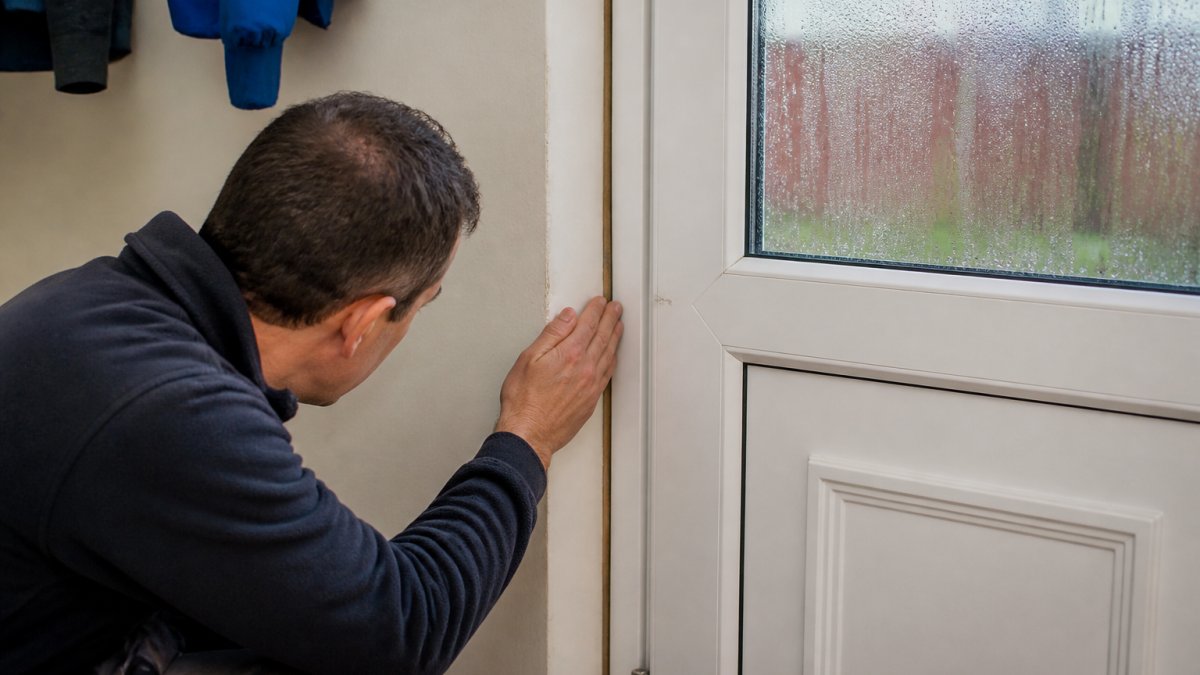
Your front door isn't just an entrance, it's part of your home's thermal envelope, and a single damaged frame or worn weather seal can undermine everything else you do to improve insulation.
The 5 ways to reduce energy bills with new doors below have generated measurable results for homeowners. Some involve simple repairs, others require replacement, but all address the core issue: keeping warm air in and cold air out.
1. Choose Energy-Efficient Doors With Strong Thermal Performance
A door's energy efficiency is measured by its U-value, which tells you how much heat passes through the door material. Learn why thermal performance matters for your door investment. Lower U-values mean better insulation.
Modern energy-efficient doors typically carry U-values between 1.3 and 1.8 W/(m²K). The Thermawood range, for example, offers U-values of 1.32-1.36 W/(m²K), among the best available for external doors. Every 0.1 improvement in U-value reduces heat loss by roughly 3-5%.
Understanding U-values and heat retention
A door with a U-value of 1.5 loses heat 50% faster than one rated at 1.0, the difference between a warm hallway and a cold zone near the entrance.
Heat retention depends on door material, frame construction, and glazing.
The Energy Saving Trust guidance on draught-proofing emphasises that door performance directly affects how hard your heating system must work. A poorly insulated door forces your boiler to run longer, consuming more fuel.
How thermal ratings translate to lower heating bills
Replacing a 30-year-old door with a U-value around 3.0 with a modern door rated 1.5 cuts heat loss through that opening by roughly 50%, translating to £40-£60 per year in heating savings for a typical semi-detached home.
Replacing three external doors typically cuts annual heating bills by £120-£200. With modern doors priced between £534 and £675 at Arborfield Joinery, payback falls between 3 and 6 years.
We recommend exploring how to choose front door material to understand which door types, timber, composite, or aluminium, best suit your home's thermal needs and aesthetic.
2. Seal Air Leaks Through Draught-Proofing Doors
Thermal performance matters only if air doesn't escape around the door. Draught-proofing, sealing gaps and cracks around the frame, is often more cost-effective than replacement and delivers immediate results.
Most heat loss through doors comes from air leakage, not the door material. A 5mm gap around a standard frame can lose as much heat as leaving a small window open all winter, and replacing caulk and weather stripping is one of the cheapest, most effective fixes.
Identifying gaps and cold air entry points
Walk around your external doors on a cold day and look for these common problem areas:
- Around the frame edges: Where the door frame meets the wall, gaps allow cold air to flow directly into your home. Check the top corners and sides first, these are where settlement and movement create the largest gaps.
- Under the door threshold: A worn or missing threshold seal is one of the biggest culprits. You should feel no draught when you place your hand near the bottom of a closed door.
- Around the handle and lock mechanism: Holes drilled for locks and handles create natural weak points if not properly sealed.
The Shaker Heights Government guidance on simple energy efficiency improvements identifies draught-proofing as a primary method for reducing energy waste in homes. It's low-cost, high-impact work.
Weather seals and thresholds that prevent draughts
Modern weather seals come in several types, each suited to different gaps:
- Foam tape: Self-adhesive foam expands slightly to fill gaps up to 5mm. Cost: £3-£8 per door. Lifespan: 2-3 years.
- Rubber or silicone seals: More durable than foam, these withstand temperature cycling better. Cost: £15-£30 per door. Lifespan: 5-7 years.
- Brush seals: Bristles compress to fill irregular gaps. Useful for doors that don't close perfectly. Cost: £10-£25. Lifespan: 3-5 years.
If your frame is damaged or gaps exceed 10mm, draught-proofing alone won't solve the problem. Caulking works for cracks up to 8mm; beyond that, consider frame repair or replacement.
3. Upgrade to Insulated Front Doors With Double Glazing
If your front door includes glazing, the glass is a major thermal weak point. Single-glazed doors lose heat through the glass at roughly twice the rate of the frame material; double glazing cuts that loss dramatically.
Double-glazed doors feature two panes separated by an insulating air gap (typically 6-12mm). Many use low-emissivity (Low-E) glass, a microscopic coating that reflects heat back into your home while allowing light through.
How glazing reduces heat loss and condensation
A single-glazed door has a U-value around 5.0-6.0. Double glazing drops that to 2.0-2.5, and triple glazing achieves 1.2-1.5, comparable to solid door panels.
Single-glazed doors develop condensation when warm indoor air meets cold glass, encouraging mould and damaging frames and sills.
We've compiled detailed guidance on double vs triple glazing trade-offs to help you decide which option suits your home's climate and budget.
For a comprehensive guide to insulated front door options, explore our insulated front doors guide.
Thermawood Dorset Grey Primed External Door →
4. Replace Damaged Frames and Door Seals
Even the best door loses efficiency if its frame is damaged. Rot, cracks, and warping compromise the seal between door and wall, letting air and moisture infiltrate.
Signs your frame needs attention:
- Visible rot or soft wood: Press a screwdriver gently into the frame. If it sinks more than 3mm, rot has compromised the structural integrity.
- Gaps between frame and wall: Gaps wider than 5mm indicate settlement or frame movement. These allow cold air to bypass the door's seal entirely.
- Warping or twisting: A frame that doesn't sit square causes the door to close unevenly, leaving gaps on one side.
Repairing a damaged frame is often cheaper than replacing the door.
Frame replacement involves removing the old frame, installing a new one, then sealing it with spray foam and caulk. Poor installation leaves gaps that undermine thermal performance.
Spray foam installation is critical. Gaps left unfilled or foam applied unevenly defeats the purpose of upgrading your door. This is one area where professional installation saves money by ensuring thermal performance. ::: Properly sealed thresholds and frames provide a foundation for broader household efficiency, which remains one of the most effective ways to save money throughout the changing seasons.
5. Ensure Professional Installation for Maximum Efficiency
A premium door installed poorly performs like a budget door. Installation quality directly affects thermal performance, air-tightness, and longevity.
Why installation quality affects thermal performance
Poor installation creates thermal bridges, uninsulated pathways where heat escapes. Common mistakes include:
- Insufficient spray foam: Gaps left between the frame and rough opening allow air to circulate around the insulation.
- Foam applied before the frame is level: If the frame isn't perfectly plumb and level, foam fills unevenly, leaving voids.
- Caulk applied over dirty surfaces: Dirt prevents caulk adhesion, creating hairline gaps that allow air leakage.
Professional installers follow a specific sequence: frame installation, levelling, securing to the wall, spray foam application, and final caulking. A rushed installation skips steps or does them out of order.
At Arborfield Joinery, we emphasise that installation is as important as the door itself.
A poorly installed £600 door loses 20-30% of its thermal benefit, throwing away £40-£60 in annual savings. Professional installation costs £200-£400 but protects your investment.
After installation, inspect the work before the installer leaves. Check that:
- The frame is level (use a spirit level on all sides)
- Spray foam is visible in the gap between frame and wall
- Caulk is continuous around all frame edges
Calculating Your Payback Period and Savings
Understanding the financial case helps you decide whether to upgrade now or delay.
For a typical external door (1.2 m² area):
- Current door U-value: 3.0
- New door U-value: 1.35
- Heating degree days (UK average): 2,000
Payback calculation: Door cost ÷ Annual savings = Payback period in years
For a £600 door with £317 annual savings: 600 ÷ 317 = 1.9 years
This assumes the door is the only upgrade.
| Door Type | Cost | Annual Savings | Payback Period |
|---|---|---|---|
| Thermawood Berkshire | £534.50 | £250-£320 | 1.7-2.1 years |
| Thermawood Devon | £579.25 | £250-£320 | 1.8-2.3 years |
| Thermawood Surrey | £634.50 | £250-£320 | 2.0-2.5 years |
| Thermawood Dorset | £627.50 | £250-£320 | 2.0-2.5 years |
| Thermawood Rutland | £675.00 | £250-£320 | 2.1-2.7 years |
| Hillingdon Oak | £612.75 | £250-£320 | 1.9-2.4 years |
These estimates assume a single door replacement.
Grants and financing can improve the financial case.
Conclusion
The 5 ways to reduce energy bills with new doors means addressing the biggest heat loss culprits systematically. Doors account for nearly 20% of household heat loss, but that's also an opportunity: energy-efficient doors with strong thermal performance, draught-proofing, and professional installation deliver measurable savings within a few years.
The five strategies work together. A new high-performance door loses its advantage if the frame is damaged or the installation is poor, and draught-proofing an old door won't match a modern replacement. The best results come from addressing all five points.
At Arborfield Joinery, we stock a range of thermally rated doors designed for UK homes. These doors combine performance with durability and aesthetic choice, so you're not sacrificing style for efficiency. Shop now to explore options that suit your home, or contact our team for expert advice on which door type and specification will deliver the best results for your property.
Frequently Asked Questions
Can new doors really help reduce heating bills?
Yes. External doors account for 18-20% of heat loss in the average home. Energy-efficient replacement doors with strong thermal performance and proper seals can cut heating costs noticeably. Energy Star-certified doors reduce energy bills by an average of up to 13% on heating and cooling costs, making them one of the most effective home efficiency upgrades you can make.
What should I look for when buying an energy-efficient door?
Look for doors with low U-values (ideally 1.32-1.36 W/(m²·K) or lower), double glazing, and high-quality weather seals and thresholds. Ensure the frame material provides good insulation and the door is properly fitted with no gaps.
How do I know if my front door is letting heat out?
Feel for cold air around the edges and check for draughts. Look for visible gaps between the door frame and the wall, damaged or missing weather stripping, or condensation on the glass. Test by holding a candle near the door edges; if the flame flickers, air is escaping. Damaged frames, worn seals, and poor installation are the main culprits. Draught-proofing or replacement may be needed depending on the damage.
Is it worth replacing an old front door to save energy?
If your door has poor seals, a damaged frame, or single glazing, replacement pays for itself through energy savings within 5-10 years for most households. Even repairs such as replacing worn weatherstripping and sealing gaps can achieve significant efficiency gains without full replacement.

Share:
Signs of Moisture Damage in Wooden Doors: 8 Warning Signs
Choosing Flush Doors for Interior Style and Lasting Use