
Table of Contents
- Understanding Double and Triple Glazing
- Thermal Insulation and Energy Efficiency
- Noise Reduction: Double vs Triple Glazing Performance
- Double Glazing vs Triple Glazing Cost Analysis
- Triple Glazing Advantages and Disadvantages
- How to Tell if a Window is Double or Triple Glazed
- Triple Glazing for Timber Windows: Practical Considerations
- Which Option Suits Your Home?
- Frequently Asked Questions
Last Updated: October 20, 2026
Understanding Double and Triple Glazing
Double and triple glazing use multiple sealed glass panes separated by air or inert gas. When considering double vs triple glazing, the difference is straightforward: double glazing uses two panes, whilst triple glazing uses three. This simple distinction creates significant differences in thermal performance, noise reduction, and cost.
How Double Glazing Works
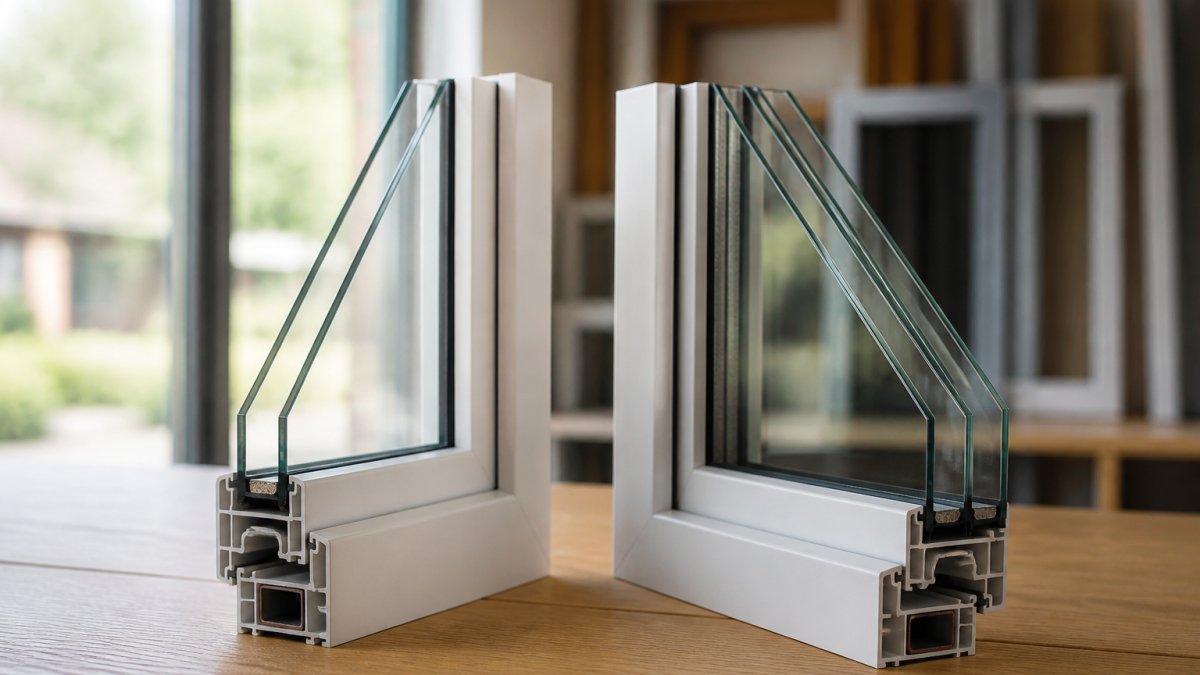
Double glazing comprises two glass panes separated by a sealed cavity, typically filled with air or argon gas. The unit sits within a timber, PVC, or aluminium frame, with a spacer bar holding the panes apart. This traps an insulating layer of gas, reducing heat transfer.
The airtight seal is critical: any breach lets moisture in, causing condensation between the panes and compromising thermal performance. Quality manufacturing and installation keep the seal intact for decades.
How Triple Glazing Works
Triple glazing adds a third glass pane, creating two separate sealed cavities instead of one. Each cavity contains insulating gas, typically argon, providing additional thermal resistance. The frame must accommodate the extra weight and thickness; standard double glazing frames often need reinforcement.
Triple glazing demands higher manufacturing standards, as each sealed cavity must maintain its integrity independently. A failure in one seal does not necessarily compromise the others, though it reduces overall performance.
Thermal Insulation and Energy Efficiency
Thermal insulation is where the difference between triple and double glazing becomes most apparent, but sales figures need careful reading. Most published U-values refer to the sealed glazing unit alone, not the complete window. A unit rated at 1.4 W/m²K can sit in a frame that drags the whole-window figure to 1.6 W/m²K or worse. When comparing double and triple glazing, always ask whether the U-value is for the glass or the whole window (Uw).
Reading U-values correctly
The U-value measures heat passing through a material per square metre per degree of temperature difference, in W/m²K; lower is better. A typical double-glazed unit achieves a centre-pane U-value around 1.4 W/m²K, whilst high-performance triple glazing reaches 0.6-0.8 W/m²K. Whole-window values are higher because frames, spacers, and seals conduct heat: a well-made double-glazed timber window might achieve 1.4-1.6 W/m²K, a comparable triple-glazed window 0.9-1.2 W/m²K. The gap is real, but smaller than centre-pane figures suggest.
Frame, spacer, and installation effects
The frame is often the weakest thermal link. Timber conducts heat less readily than aluminium, and thermally broken aluminium outperforms standard aluminium. Spacer bars create a thermal bridge at the unit's edge; warm-edge spacers reduce this. Installation quality matters just as much: gaps, poor sealing, and cold bridging at the reveal can wipe out the benefit of an extra pane. A badly fitted triple-glazed unit can underperform a well-fitted double-glazed one.
Energy efficiency and potential savings
Double glazing reduces heat loss compared with single glazing by roughly 50 per cent. Triple glazing improves on this, typically cutting heat loss by an additional 20-30 per cent.
Gains also depend on existing insulation and climate. A property with single glazing sees dramatic savings from upgrading to double glazing. The jump from double to triple delivers smaller percentage gains, though absolute savings remain meaningful in colder regions and where windows are the remaining weak point.
Solar gain, daylight, and overheating
Thermal performance is not only about keeping heat in. Glazing choices affect passive solar gain, light transmission, and summer comfort. Triple glazing with low-emissivity coatings can reduce solar gain, helpful in summer but potentially reducing useful winter warmth. In highly glazed south-facing rooms, overheating risk can outweigh winter insulation benefits unless shading and ventilation are designed in; double glazing with a solar-control coating may balance better.
Noise Reduction: Double vs Triple Glazing Performance
Sound insulation is often overlooked, yet it significantly impacts comfort. Double glazing reduces external noise by approximately 25-30 decibels; the sealed air gap absorbs vibrations before they reach the interior.
Triple glazing improves acoustic performance further, typically reducing noise by 30-35 decibels.
Effectiveness depends on frame quality and installation. A poorly sealed frame lets sound bypass the glazing entirely, negating the acoustic benefits of either system.
Double Glazing vs Triple Glazing Cost Analysis
Upfront Investment and Payback Period
Triple glazing costs significantly more upfront. The additional pane, extra sealing, and reinforced frames increase manufacturing and installation expenses.
Payback period, how long energy savings take to offset the higher upfront cost, varies widely. In colder regions with high heating costs, triple glazing may pay for itself within 15-20 years.
This changes if you're replacing windows anyway.
Lifecycle Value and Long-Term Savings
Lifecycle cost considers upfront expenses and long-term energy savings over the window's lifespan (typically 30-50 years). Triple glazing's superior insulation delivers cumulative savings that can offset its higher initial cost over decades.
Lifecycle value extends beyond energy bills: durability, maintenance, and replacement costs matter too. Both double and triple glazing, properly manufactured and installed, last 30+ years with minimal maintenance.
Triple Glazing Advantages and Disadvantages
Triple glazing excels in specific scenarios but carries trade-offs worth understanding.
Advantages:
- Superior thermal insulation, particularly valuable in cold climates
- Enhanced noise reduction for properties in noisy locations
- Improved condensation resistance due to warmer inner glass surfaces
- Better long-term energy performance and lower heating bills
- Increased home comfort through reduced draughts
Disadvantages:
- Significantly higher upfront cost compared to double glazing
- Greater weight requires reinforced frames and professional installation
- Reduced solar gain in winter, triple glazing reflects more heat, which can be a disadvantage in colder months when free solar heat is beneficial
- Potential overheating risk in summer if not paired with adequate ventilation
- Longer manufacturing lead times for bespoke installations
- Not cost-effective in mild climates where heating demands are modest
How to Tell if a Window is Double or Triple Glazed
Identifying whether a window is double or triple glazed is straightforward.
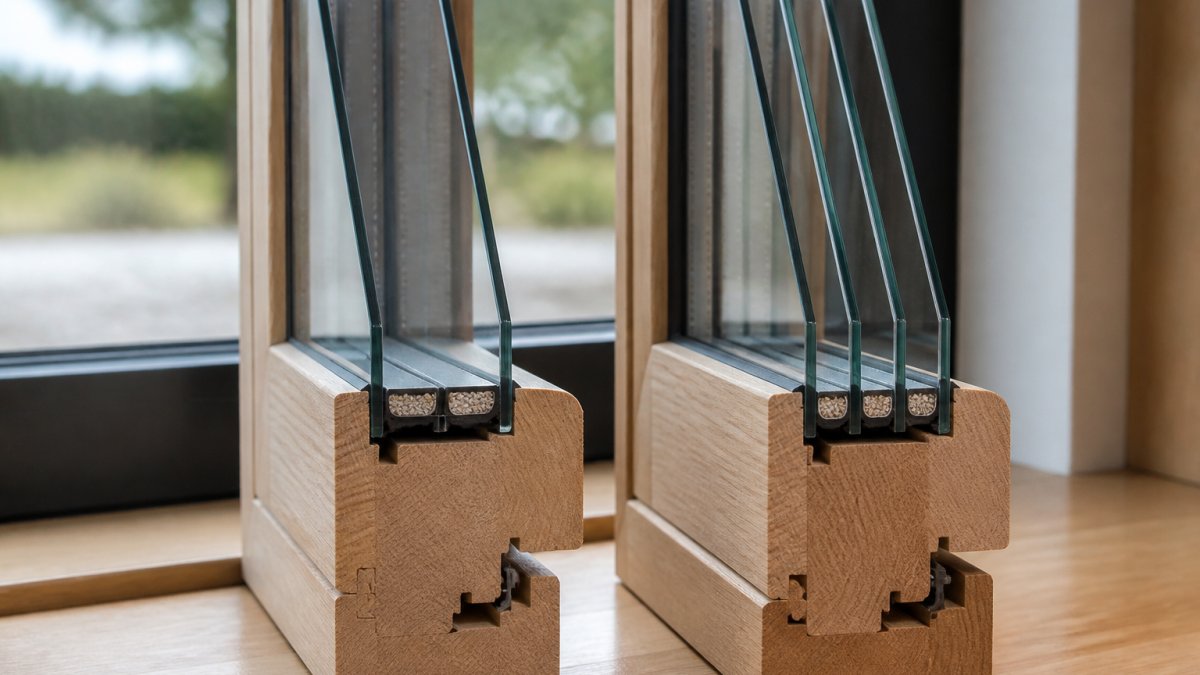
You can also measure thickness: double-glazed units typically measure 24mm overall, triple-glazed units usually 36-44mm depending on cavity widths and spacer bar construction.
If you're uncertain, inspect the window documentation or contact the installer. Bespoke timber windows come with full specifications detailing the glazing configuration and performance ratings.
Triple Glazing for Timber Windows: Practical Considerations
Timber windows present unique considerations for triple glazing.
The frame must be thicker to house the larger assembly, affecting the window's visual profile.
Installation is more complex: the frame must be precisely manufactured so the triple-glazed unit sits perfectly, preventing draughts or uneven loading.
Timber's natural insulation properties complement triple glazing well.
For retrofit projects in older properties, triple glazing in timber frames balances performance improvement with visual consistency.
Which Option Suits Your Home?
Your choice between double and triple glazing depends on several factors working together, and the right answer is rarely the same for two homes. Rather than asking which is better in the abstract, assess your property against the factors below.
Climate, orientation, and exposure
Colder regions with high heating demand benefit most from triple glazing's lower U-value. Orientation matters too: north-facing windows lose heat without gaining much solar warmth, so the extra pane pays back more there. South-facing windows gain passive solar heat, and triple glazing's lower solar gain can reduce that benefit in winter; in summer, however, it can reduce overheating.
Building age and existing insulation
In older properties, windows are often one of several weak points. Upgrading from single glazing to double glazing usually delivers the largest proportionate improvement. Moving from double to triple glazing makes more sense when the walls, roof, and floor are already well insulated and windows are the remaining weak link. In a poorly insulated home, the incremental benefit of a third pane is smaller and the payback longer.
Retrofit constraints
Not every frame can take a triple-glazed unit. Triple-glazed units are thicker (often 36-44mm versus 24mm for double) and heavier, so existing frames may need reinforcement or replacement. Reveal depth, sash weight, hinges, and ventilation all need checking. In some cases, replacing the glazing unit alone is feasible; in others, the whole window must be replaced. For period properties, deeper frames can alter the visual profile, which matters where original proportions are protected or valued.
Noise and lifestyle
If noise is the main concern, triple glazing's extra pane and cavity can help, but acoustic performance depends on the gap widths, glass thickness, and frame sealing. Asymmetric cavities and laminated glass can outperform a standard triple-glazed unit for noise. For homes near busy roads, railways, or flight paths, specify acoustic ratings and consider the whole window assembly.
Lifecycle cost and payback
Compare upfront cost with expected energy savings, maintenance, and service life. Triple glazing typically costs 30-50 per cent more than equivalent double glazing. Payback depends on energy prices, climate, and how long you stay. In colder regions with high heating costs, triple glazing may pay back within 15-20 years; in milder areas, it may extend beyond 25 years or never fully recoup the difference through energy savings alone.
A practical decision guide
Choose double glazing if your property is in a milder region, you are replacing single glazing and seeking good value, noise is not a major issue, your frames cannot easily take thicker units, or you plan to move within 10-15 years. Choose triple glazing if you are in a colder region with high heating costs, noise reduction is a priority, you are undertaking a comprehensive renovation, you plan to remain long-term, your home's other insulation is already good, and your frames and reveals can accommodate the extra thickness and weight.
| Consideration | Double Glazing | Triple Glazing |
|---|---|---|
| Thermal insulation | Good; whole-window U-value often 1.4-1.6 W/m²K | Excellent; whole-window U-value often 0.9-1.2 W/m²K |
| Noise reduction | Moderate; depends on cavity and glass | Better; depends on cavity, glass, and sealing |
| Upfront cost | Lower; baseline for window replacement | 30-50% higher than double glazing |
| Payback period | Typically 10-15 years in cold climates | 15-25 years depending on climate and energy prices |
| Weight and thickness | Standard; fits most frames | Heavier and thicker; requires frame reinforcement and deeper reveals |
| Best for | Most homes; good value; retrofit-friendly | Cold regions; noise-sensitive locations; long-term occupancy; well-insulated homes |
Frequently Asked Questions
Is triple glazing worth the extra cost?
Triple glazing's value depends on your home's age, location, and how long you plan to stay. Newer homes with poor insulation or properties in colder regions see faster payback through reduced heating bills. If you're retrofitting timber windows, the improved thermal performance can justify the investment, especially if you're sensitive to draughts or condensation. However, if your home already has good insulation and you're not planning to stay long, double glazing remains a sensible choice.
How can I tell if my windows are double or triple glazed?
Look at the edge of the window frame from outside. Double glazing shows two glass panes with a visible spacer bar between them. Triple glazing displays three panes with two spacer bars. You can also check the window's depth: triple-glazed units are noticeably thicker than double glazing. If you're unsure, measure the frame thickness or ask your installer, the documentation should specify the glazing type and U-value rating.
Does triple glazing reduce outside noise more than double glazing?
Yes, triple glazing typically reduces noise by 3-5 decibels more than double glazing, though the difference is less dramatic than the thermal improvement. The extra pane and gas cavity absorb more sound energy, making triple glazing particularly effective if you live near traffic, airports, or railways. However, the frame quality and installation standard matter as much as the glazing type, a poorly installed triple-glazed window will underperform a well-fitted double-glazed one.
Can existing double-glazed windows be upgraded to triple glazing?
Retrofitting triple glazing into existing double-glazed frames is rarely practical. Triple-glazed units are significantly heavier and thicker, requiring structural changes to frames, hinges, and handles. In most cases, replacing the entire window is more cost-effective and ensures proper performance. For timber windows, bespoke manufacturing allows new frames to be designed suited to triple glazing, maintaining the aesthetic while gaining the thermal and acoustic benefits.
Share:
Charcoal Grey Internal Doors for Your Home
Hardwood exterior door sill pricing and options