
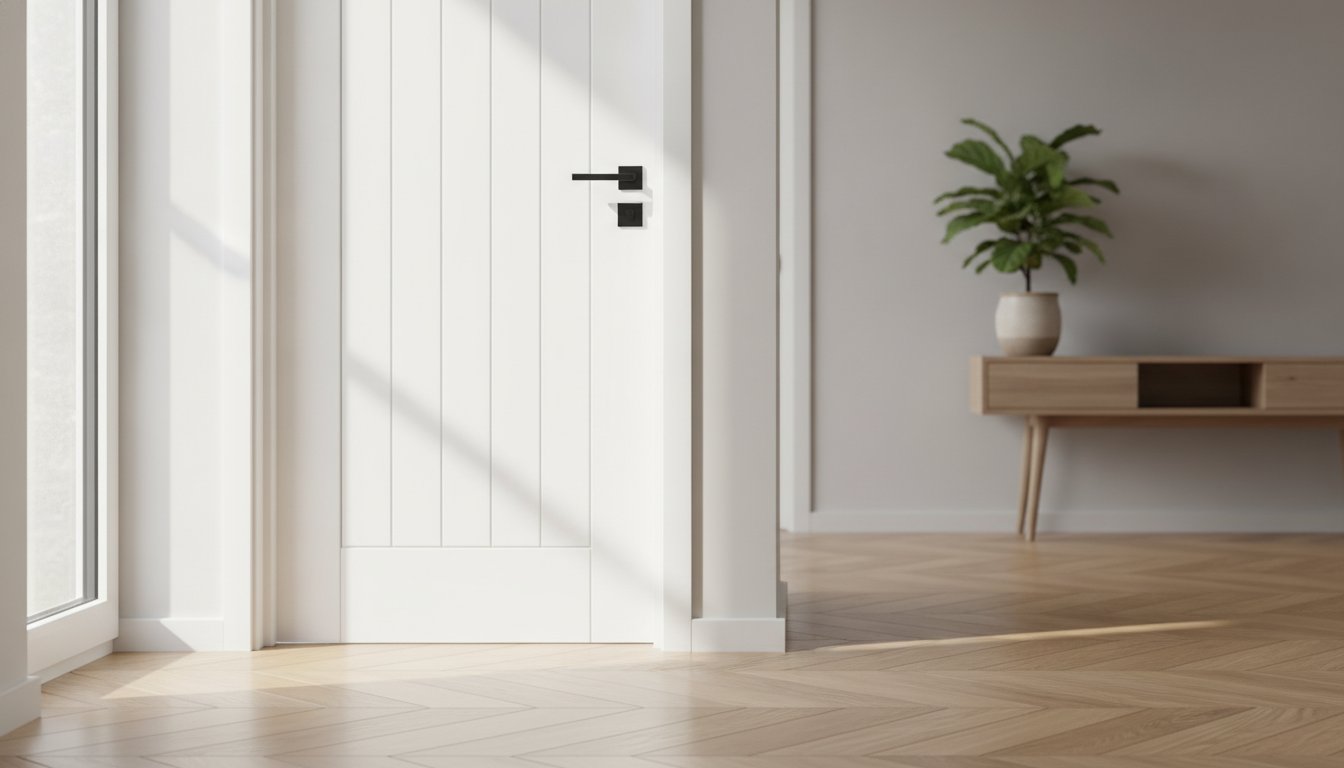
Why do so many homeowners treat white primed doors as a mere budget-friendly fallback rather than a deliberate, premium design choice? While it is easy to assume that choosing white means settling for less, the reality is that these doors offer a level of versatility and brightness that even the finest oak or walnut cannot always match. We understand the common anxieties that come with this selection. You might fear that inferior materials will warp, or perhaps you feel confused about whether a primed surface is truly ready for its final coat of paint.
It is perfectly natural to worry about achieving a professional finish at home, but with the right guidance, you can create a sophisticated interior that feels both airy and bespoke. This guide promises to demystify the selection process by explaining the technical differences between finishes and materials. We will preview the essential steps for a durable finish that won't yellow, whilst also covering the latest 2026 building regulations regarding thermal efficiency and fire safety. By the end, you will know exactly how to use white primed doors to enhance your home's character and value with the confidence of a seasoned renovator.
Key Takeaways
- Learn why white doors are the ideal solution for brightening narrow hallways and smaller spaces whilst creating a sense of quiet elegance.
- Discover the technical benefits of solid core construction, including superior sound insulation and the specific limits for trimming lippings safely.
- Understand the crucial difference between pre-finished options and white primed doors, including the necessary steps to achieve a professional topcoat at home.
- Explore popular design trends from the timeless Shaker style to contemporary vertical-line patterns like the Mexicano and Vancouver.
- Gain expert advice from a family-run business with over 70 years of heritage in providing premium joinery solutions across the UK.
Understanding the Versatility of White Primed Doors for UK Interiors
A white primed door is a high-quality internal door that has been professionally treated with a base coat at the factory. This preparation serves the fundamental purpose of wood primer, which is to seal the underlying material and provide a smooth, adhesive surface for your chosen topcoat. For many UK homeowners, white primed doors represent the perfect middle ground between a raw timber product and a fully finished one. They arrive ready for a final lick of paint, allowing you to match the exact shade of your skirting boards or architraves without the laborious task of initial sanding and sealing.
Brightening a home is a common challenge, especially in traditional British properties with narrow hallways or limited natural light. White surfaces reflect light rather than absorbing it, making a cramped corridor feel significantly more expansive. Beyond the immediate aesthetic boost, these doors act as a "blank canvas". If you decide to change your wall colours from a soft cream to a deep forest green in three years' time, your white joinery remains a crisp, neutral anchor that doesn't require replacement or a complete overhaul.
Modern versions are often engineered using high-density fibreboard (HDF) skins over a solid core. This construction isn't just about sustainability and efficient material use; it provides a level of stability and "heft" that prevents the warping often associated with cheaper, hollow-core alternatives. It's a reliable choice for the varied humidity levels found in British homes.
Why White Joinery is a Timeless British Trend
Interior trends in 2026 have seen a decisive shift towards airy, minimalist aesthetics. Whilst dark woods certainly have their place in heritage properties, white joinery offers a clean backdrop that complements contemporary UK palettes like "Greige" or "Navy". There is also a psychological benefit to consider. Brighter interiors are frequently linked to improved wellbeing and a sense of calm, helping to make the home feel like a sanctuary from the outside world.
Primed Doors vs. Unfinished Timber
Choosing a primed option over unfinished timber is primarily a matter of precision and efficiency. Factory priming ensures a perfectly uniform surface that is nearly impossible to replicate with a brush and a tin of primer in a dusty garage. You save hours of manual labour by skipping the messy sanding and multiple sealing stages. From a financial perspective, white primed doors offer exceptional value. They provide the premium look and feel of high-end joinery at a price point that is more accessible than solid oak, without sacrificing the structural integrity of the door.
The Engineering Behind a High-Quality White Primed Door
A door's surface is only as good as the engineering beneath it. Whilst many homeowners focus on the final colour, the longevity of white primed doors depends on the precision of the factory coating and the density of the internal core. High-quality manufacturers apply multiple base coats to prevent "bleed-through", a frustrating issue where the natural resins or tannins of the underlying material seep through and discolour the white finish. This industrial priming creates a hard-wearing foundation that resists the inevitable knocks and scuffs of a busy family household. For those looking to achieve a showroom-standard result, following professional door handling and finishing instructions is essential to maintain the integrity of these layers during the final painting stage.
Solid Core vs. Hollow Core: What’s Inside?
The internal structure dictates how a door "behaves" in your home. Hollow core doors are lightweight and budget-friendly, but they often lack the acoustic performance required for modern living. In contrast, solid core white doors offer a satisfying "heft" and superior sound insulation. They effectively reduce noise transfer between rooms, which is vital in open-plan layouts where a television in the lounge might otherwise disturb someone in the home office. These solid interiors also provide better thermal efficiency by helping to manage heat flow, keeping rooms warmer in the winter and cooler in the summer. It's a small detail that makes a significant difference to the daily comfort of your living space.
Trimming and Customising Your Doors
Rarely is a UK door frame perfectly square, especially in older properties. This makes the presence of substantial timber lippings around the edge of the door crucial for a professional fit. These lippings allow for necessary adjustments during the hanging process. However, you must be cautious; exceeding the manufacturer’s recommended trimming limit can expose the internal core, compromise the door's stability, and void your guarantee. A standard Deanta white primed door typically features a generous trimming zone of up to 16mm from any edge, allowing for significant customisation to fit older or irregular frames. If you're unsure which core type or style suits your specific project, you can browse the full collection of white primed doors at Arborfield Joinery to compare the technical specifications of each model.
White Primed vs. Fully Finished: Choosing the Right Option
Choosing between a primed and a fully finished door is a decision that impacts both your initial budget and the final aesthetic of your home. A common point of confusion amongst buyers is the difference between a standard "primed" finish and "Primer Plus". Whilst a basic primed surface is merely a base coat, a "Primer Plus" door, such as those found in the premium Deanta range, offers a significantly smoother and more refined factory preparation. Regardless of the specific grade, white primed doors are not a final product. They require a topcoat to seal the surface against moisture and provide your desired sheen level. In contrast, a fully finished door is professionally sprayed at the factory and arrives ready to hang immediately.
The "showroom finish" of a pre-finished door is notoriously difficult to replicate with a brush at home. These doors are coated in controlled, dust-free environments, resulting in a glass-smooth texture that feels exceptionally high-end. However, maintenance is a vital factor to consider. If a pre-finished door is badly gouged, matching the factory-sprayed shade and sheen can be a challenge. With white primed doors, you likely have a tin of the original topcoat tucked away, making touch-ups seamless and invisible. When selecting your door type, it is also wise to consider UK Building Regulations for doors, particularly regarding clear opening widths for accessibility, as the finish type does not alter these fundamental structural requirements.
When to Choose White Primed
If your interior design relies on a specific colour palette, such as matching your doors to Farrow & Ball "Wimborne White" or a deep "Railings" grey, primed doors are the only logical choice. They offer the flexibility to create a bespoke look that links your joinery perfectly to your skirting and architraves. They are also the best choice for renovators on a tighter initial budget who are willing to provide the labour themselves. If you are also updating your furnishings, a professional service like Flatpack Builder can assist with expert furniture assembly, freeing up your time to focus on achieving that perfect painted finish. This flexibility extends to the future; if you decide to redecorate in five years, these doors are easy to sand back and repaint without the worry of stripping a factory-hardened lacquer.
For many homeowners, the primary appeal of a pre-finished door is the "no-mess" factor. You avoid the disruption of paint fumes, drying times, and the risk of dust settling in your wet paintwork. It ensures absolute consistency across the entire home, with every leaf sharing an identical shade and texture. This is a premium solution for those who value time and a flawless industrial finish. For a deeper look at how these compare to other high-end options, you might find our Ultimate Guide to Internal Oak Doors helpful for understanding the nuances of timber finishes and craftsmanship.

Popular Styles and Glazing Options: From Traditional to Urban
The choice of door style is often the final piece of the architectural puzzle. Whilst we've discussed the technical merits of white primed doors, their visual impact is where they truly shine in a British home. The Shaker style remains the nation's favourite for good reason. Its simple recessed panel offers a timeless aesthetic that bridges the gap between traditional and contemporary. If you're looking for something more modern, the Mexicano and Vancouver designs utilise vertical lines to create a sense of height and clean, architectural precision. These styles are particularly effective in new-build properties where a minimalist touch is required.
For those living in Victorian or Edwardian terraces, traditional 4-panel and 6-panel configurations are essential for maintaining heritage character. These designs respect the original proportions of the building whilst benefiting from the modern stability of engineered construction. Glazing then adds another layer of functionality. Clear glass is ideal for communal areas to encourage light transfer, whereas frosted or sandblasted glass provides necessary privacy for bathrooms and bedrooms without plunging the room into darkness.
Achieving the Urban and Industrial Look
One of the most striking trends in 2026 is the pairing of crisp white doors with matt black hardware. This contrast creates an industrial edge that feels both sharp and sophisticated. Narrow-stile "Urban" designs are specifically engineered to maximise the glass area, mimicking the look of steel-framed loft partitions. To ensure a professional result, it's vital to pair these with the correct internal doors and door frames to ensure the lines of the joinery remain consistent throughout the property.
Choosing the Right Glass for Your Space
Safety is paramount in any family environment. Toughened safety glass is a non-negotiable requirement for high-traffic areas, ensuring that the glass crumbles into small, blunt pieces rather than sharp shards if an accident occurs. You can choose between bevelled glass, which adds a touch of traditional elegance through its angled edges, or flat glass for a cleaner, modern look. Privacy levels vary depending on the finish; sandblasted or satin glass offers a high degree of obscurity whilst still allowing soft, diffused light to permeate the space. If you're ready to transform your home's interior, you can explore our full range of glazed and solid white doors to find the perfect match for your architectural style.
Investing in Quality: The Arborfield Joinery Approach
Since 1953, Arborfield Joinery has evolved into a cornerstone of the UK door industry. We aren't just a retailer; we're a family-run enterprise with over 70 years of joinery expertise. This heritage allows us to offer a level of consultative advice that national DIY chains simply cannot replicate. When you purchase white primed doors from us, you aren't just buying a commodity. You're investing in a curated selection of products chosen for their structural integrity and superior factory preparation. We specifically stock premium brands like Deanta because their priming process provides the flawless, high-density foundation our customers expect for a professional finish.
Our commitment to quality extends beyond the products themselves to the way they are handled. We understand that a door is a significant investment in your home's aesthetic. Because of this, our logistics and delivery processes are designed to ensure every item arrives in pristine condition. We offer free mainland UK shipping on orders over £900, providing a reliable and efficient service that matches the premium nature of the joinery we supply.
The Showroom Experience vs. Online Convenience
Judging the "feel" and finish of a door through a screen can be difficult. Our physical showroom features over 120 doors on display, allowing you to inspect the smoothness of the priming and the heft of the solid cores in person. Our experts are on hand to help you coordinate your entire project, whether you're looking for matching door styles or calculating the specific components needed for your stairs. For those unable to visit us, we bring this same level of meticulous care to our national delivery service, ensuring online customers receive the same expert guidance and reliable support.
Sustainability and Sourcing
Quality and sustainability are inextricably linked in modern joinery. We are committed to ethically sourced timber and manufacturing processes that respect the environment. A high-quality, durable white primed door is inherently more sustainable than a cheaper alternative that may warp, requiring frequent replacement. By choosing a product built to last for decades, you reduce waste and ensure long-term value for your home. Our role as a "Quality Curator" means we only supply doors that meet our rigorous standards for both aesthetics and environmental responsibility. Ready to transform your interior? Explore our full range of White Primed Doors today and discover the difference that 70 years of expertise can make.
Elevate Your Interior with Timeless White Joinery
Choosing the right internal doors is a significant step in defining the character and light of your home. By selecting white primed doors, you're opting for a versatile, high-quality foundation that allows for bespoke colour matching whilst ensuring structural durability. From the acoustic benefits of solid-core engineering to the aesthetic appeal of traditional or urban styles, these doors offer a sophisticated solution for any British property. They provide the perfect blank canvas, allowing your interior design to evolve without the need for costly joinery replacements in the future.
Since 1953, our family-run business has focused on providing the expertise and reliability that homeowners deserve. We'd love to welcome you to our Berkshire showroom, where you can inspect over 120 doors on display to see the quality of our craftsmanship first-hand. For those ordering from across the country, we provide free UK mainland shipping on orders over £900. Browse our premium selection of White Primed Doors today to find the perfect fit for your project. We look forward to helping you curate a brighter, more elegant living space.
Frequently Asked Questions
Do white primed doors need painting before hanging?
Yes, white primed doors must be painted with a final topcoat to properly seal the surface. Whilst they arrive with a professional factory base coat, this layer is porous and designed to improve paint adhesion rather than provide a durable, wipeable finish. Hanging them without a topcoat leaves the material vulnerable to moisture and stains. For the best results, we recommend applying your final coats of paint before the hardware is fitted.
What kind of paint should I use on a white primed internal door?
You should use a high-quality interior wood paint, such as satinwood, eggshell, or gloss. Most modern primed doors are compatible with both water-based and oil-based paints. Water-based options are popular because they dry quickly and stay white for longer, whereas oil-based paints offer a traditional, hard-wearing finish. Always ensure the surface is clean and lightly sanded with a fine-grade abrasive before you begin your first application of the topcoat.
Can you trim white primed doors to fit an existing frame?
Yes, you can trim white primed doors to fit your existing frames, provided you stay within the manufacturer's specified limits. Most premium doors feature timber lippings that allow for adjustments on all four sides. For instance, Deanta doors typically allow for up to 16mm of trimming from any edge. Exceeding these limits can compromise the door's structural integrity and void your guarantee, so it is vital to measure twice before making any cuts.
Are white primed doors made of solid wood or MDF?
Most high-quality primed doors utilise an engineered construction rather than a single piece of timber. This usually involves high-density fibreboard (HDF) or MDF skins for a perfectly smooth finish, bonded over a solid or semi-solid core. This method is preferred because it is more stable and less prone to warping or twisting in the varying humidity of a British home. This engineering ensures your joinery remains straight and functional for decades to come.
How many coats of paint does a primed door usually need?
We generally recommend applying at least two topcoats of paint to achieve a professional, uniform finish. Whilst the factory primer provides an excellent foundation, a single coat often lacks the depth of colour and durability required for a high-traffic internal door. Using two coats ensures the surface is fully sealed and provides a consistent sheen across the entire leaf. Always allow the first coat to dry completely before applying the second for the best result.
Will white primed doors yellow over time in sunlight?
The factory primer itself is stable, but whether your door yellows depends entirely on the topcoat you choose. Traditional oil-based paints are known to yellow over time, especially in areas with limited natural light. If you want your doors to stay a crisp, bright white, we suggest using a high-quality water-based paint. These modern formulations are resistant to UV discolouration and will maintain their original shade even when exposed to direct sunlight for long periods.
Can I use white primed doors in a bathroom or kitchen?
Yes, white primed doors are perfectly suitable for kitchens and bathrooms, provided they are correctly sealed with a high-quality topcoat. Because these rooms experience higher levels of humidity and steam, it is essential to paint all edges of the door, including the top and bottom. This prevents moisture from seeping into the core material and causing swelling. Choosing a durable satinwood or eggshell finish will also make the surface much easier to wipe clean.
Is there a difference between "white primed" and "white base coated"?
Whilst the terms are often used interchangeably, "white primed" typically refers to a more comprehensive factory preparation. A primed door has been treated to seal the material and provide a key for the topcoat, whereas a base coat might be a thinner, less refined layer. In our experience, premium primed doors offer a much smoother surface that requires less sanding. This industrial-grade priming is what ensures a professional, long-lasting finish that won't flake or peel.
Share:
Walnut vs Oak Doors: Buying Guide for British Interiors
Bespoke Joinery Cost Estimation: A 2026 Guide