
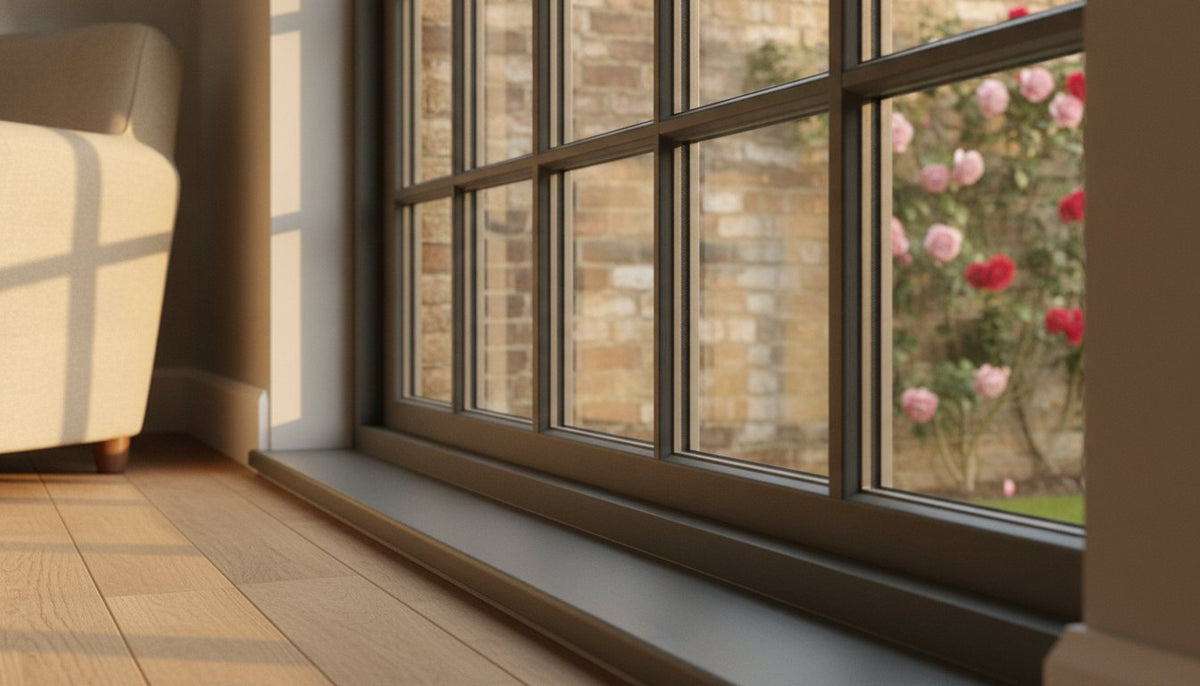
What if the windows you install today were still enhancing your home’s character and warmth in the year 2080? Many homeowners feel a natural pull towards the authentic beauty of wood, yet they often hesitate, fearing that timber windows might lead to future rot, warping, or a never-ending cycle of maintenance. It is entirely reasonable to question the higher upfront investment, especially when cheaper, synthetic alternatives are so common in the current market.
We understand these concerns, but the reality of modern joinery is far more reassuring. This guide will show you why timber is the superior choice for your home’s energy efficiency, aesthetic value, and long-term durability. We will explore how engineered wood prevents the structural issues of the past and explain how high-performance frames can lower your energy bills whilst lasting for sixty years or more. From navigating building regulations to choosing between hardwood and softwood, you will discover how to curate a living space that feels both premium and permanent.
Key Takeaways
- Learn how the natural insulation properties of timber windows can significantly reduce heat loss and lower your home's energy bills.
- Discover why modern engineered wood and microporous coatings have effectively ended the "maintenance myth" regarding rot and warping.
- Explore the aesthetic differences between traditional sliding sash and flush casement designs to find the perfect match for your property’s character.
- Understand why high-quality timber is a smarter long-term investment, offering a lifespan of sixty years compared to the shorter cycle of uPVC.
- Gain insight from over 70 years of British craftsmanship on how to preserve the architectural integrity of your home with authentic materials.
The Enduring Appeal of Timber Windows for UK Homes
The visual impact of a property is often defined by its apertures. High-quality timber windows offer an organic warmth and depth of character that synthetic alternatives simply cannot replicate. It isn't just about the look; it's about the feel of the material. When you run your hand over a finely finished grain, you're feeling decades of tradition and craftsmanship. For many UK homeowners, choosing wood is an emotional decision rooted in a desire for authenticity and a genuine connection to the natural world.
This aesthetic superiority is vital for maintaining the architectural soul of our housing stock. Whether it's a rustic cottage or a grand townhouse, the proportions of the frames and the slimness of the glazing bars matter. A traditional Sash window carries a historical weight that defines the era of the building. Using the wrong materials can strip a home of its identity, whereas timber preserves it, ensuring the property remains a cohesive piece of design rather than a collection of modern add-ons.
Why Material Choice Matters for Property Value
First impressions are everything in the UK property market. Estate agents frequently highlight original or high-spec timber joinery as a key selling point because buyers perceive it as a mark of quality. It suggests that the owner hasn't cut corners on maintenance or materials. This "kerb appeal" has a direct impact on valuation. In many UK conservation areas, timber isn't just a style choice; it's a legal requirement. Replacing authentic wood with plastic can devalue a home and could even lead to enforcement action from local authorities.
Sustainability and the Carbon Footprint of Joinery
In an era where environmental impact is a primary concern, timber stands alone as the only naturally renewable window material. It acts as a carbon sink, storing CO2 absorbed during the tree's growth for the entire lifespan of the window. This is a stark contrast to the production of uPVC, which involves high-energy chemical processes and a reliance on fossil fuels. By selecting timber windows with FSC or PEFC certifications, you ensure that the wood is sourced from responsibly managed forests. This circular approach to manufacturing means that for every tree harvested, more are planted, helping to maintain the ecological balance whilst providing a high-performance product for your home. This dedication to tree health is a value shared by professional arborists like Arborcare Tree Maintenance Pty Ltd, who ensure that trees are expertly managed to sustain their longevity and environmental benefits.
Thermal Efficiency: How Timber Windows Lower Energy Bills
Have you ever noticed how a plastic or metal window frame feels icy to the touch on a December morning? This sensation occurs because those materials are efficient conductors of heat, effectively acting as a bridge that allows warmth to escape your home. In contrast, timber windows are naturally "warm" materials. They don't just look the part; they perform a vital role in keeping your living space comfortable and your heating bills manageable. By eliminating the thermal bridge that is so common with metal frames, wood ensures that the heat you pay for stays exactly where it belongs: inside your rooms.
The Physics of Timber Insulation
Wood's cellular structure is a masterpiece of natural engineering. Each fibre contains microscopic air pockets that resist the movement of thermal energy. Research into the Thermal Efficiency of Timber Windows confirms that this organic composition provides superior insulation compared to many man-made alternatives. Whilst aluminium frames require complex plastic "thermal breaks" to stop heat loss, timber does the job inherently. Modern timber windows typically achieve U-values between 0.8 W/m²K and 1.4 W/m²K, comfortably meeting or exceeding current UK building regulations.
Reducing Draughts and Improving Acoustic Comfort
Thermal efficiency isn't just about the material; it's about the precision of the fit. If a frame doesn't sit perfectly within the aperture, even the most advanced glass won't stop a chill. High-quality joinery ensures an airtight seal that eliminates those annoying whistles on windy nights. Because wood is naturally dense, it also serves as a fantastic acoustic barrier. It absorbs sound waves rather than vibrating with them, which is why homes with timber frames often feel noticeably quieter and more serene. If you're looking to upgrade, exploring our range of timber windows can help you find a style that balances high-end insulation with classic design.
Overcoming the Maintenance Myth: Durability and Longevity
The fear of rotting frames is perhaps the most significant barrier for homeowners considering timber windows. Many people still associate wooden joinery with the peeling, warped units of the 1970s. However, the industry has undergone a technological revolution over the last few decades. Modern joinery isn't just a slightly better version of the past; it's a completely different category of product. When you invest in high-quality wood today, you aren't signing up for a lifetime of sanding and painting. You're choosing a material that, with minimal care, will likely outlast the mortgage.
Engineered Timber vs. Solid Softwood
The secret to the stability of modern frames lies in the use of engineered timber. Unlike traditional solid wood, which can twist or swell as moisture levels change, engineered sections are created by laminating multiple layers of wood together. By ensuring the grain of each layer runs in a different direction, the natural internal stresses are effectively cancelled out. This process creates a remarkably stable component that won't jam in the summer or draught in the winter. It provides the structural integrity needed for larger, more ambitious glazing designs whilst maintaining the slim, elegant profiles that homeowners desire.
Modern Finishes and Coating Technology
Old-fashioned gloss paints were often the culprit behind wood rot because they formed a brittle, plastic-like skin. When this skin inevitably cracked, water became trapped against the wood with no way to escape. Today, we use advanced micro-porous coatings. These factory-applied, water-based finishes act like a high-performance jacket for your windows. They are water-repellent but breathable, allowing any internal moisture to evaporate naturally without causing the paint to bubble or peel. Modern factory-applied finishes typically require a simple refresh every 8 to 10 years rather than a full strip and sand.
Longevity is where timber windows truly prove their value. Whilst a standard uPVC frame might have a lifespan of twenty to thirty years before the plastic degrades or discolours, a well-maintained timber window can easily last sixty years or more. There is also the vital factor of repairability. If a plastic frame is damaged or a seal fails internally, the entire unit usually ends up in a skip. Wood is different. It's a forgiving material that can be filled, sanded, or even have specific sections spliced and replaced. This ability to repair rather than replace makes timber the ultimate choice for a long-term, sustainable home improvement.

Choosing the Right Style: Sash vs. Casement Windows
Selecting the right silhouette for your home is as much an architectural decision as it is a practical one. Whilst we have already explored the performance benefits of timber windows, their ability to truly transform a facade lies in their profile. A window that looks out of place can disrupt the visual harmony of a property, whereas the right choice acts as the perfect finishing touch. Whether you are restoring a heritage townhouse or finishing a bespoke new build, the style of the frame dictates the character of every room.
The Elegance of the Sliding Sash
For those living in Georgian or Victorian properties, the sliding sash is the hallmark of the era. Historically, these windows relied on heavy lead weights and cords hidden within the box frame, which were often prone to snapping or rattling. Modern joinery has refined this classic design significantly. We now utilise sophisticated spiral balances that provide a smooth, effortless operation whilst maintaining the slim sightlines expected of a period home.
Homeowners can choose between various glazing bar configurations to match their property’s history. Common patterns include:
- Six-over-six: The classic Georgian look with multiple small panes.
- One-over-one: A later Victorian style that offers a clearer view with fewer obstructions.
You can now enjoy this timeless aesthetic without the draughts or security flaws that plagued original units.
Casement Windows: Versatility and Security
Casement windows are the most versatile option for the UK homeowner, serving as the standard choice for rural cottages and contemporary builds alike. We typically categorise these into two main styles. Flush casements sit level with the frame, providing a clean, traditional look that mimics historic joinery. Conversely, stormproof (or lipped) casements feature a slight overlap that protects the seal from driving rain. These stormproof windows are an essential consideration for exposed coastal or hillside locations where weather protection is the priority.
Modern timber frames are engineered for safety. Unlike older wooden windows that relied on simple latches, today’s units incorporate high-security multi-point locking systems. This ensures the sash is held firmly at several points along the frame, offering peace of mind alongside aesthetic appeal. The final flourish comes from the hardware. You might choose unlacquered brass fasteners for a heritage feel or sleek, contemporary black handles for a minimalist edge.
Our bespoke joinery service ensures that every unit is crafted to your exact specifications. If you are unsure which profile best suits your property, you can explore our range of timber windows to compare these styles in detail. We specialise in matching existing patterns perfectly, ensuring your new joinery looks like it has always been a part of your home’s story.
Why Quality Joinery is a Lifetime Investment
When considering timber windows, the conversation often begins with the initial price tag. It's a significant commitment, but viewing this purely as an upfront cost misses the broader financial picture. In a world of disposable products and "fast" home improvements, wood remains one of the few materials that truly appreciates in value. It's a shift in mindset from seeing a window as a commodity to seeing it as a permanent architectural asset.
The ROI of Premium Timber
The real value of timber becomes clear when you look at a fifty-year horizon. Whilst synthetic frames typically need replacing every twenty to thirty years as the plastic degrades or discolours, a single set of high-quality wooden units will still be performing at its peak. This longevity means you avoid the "buy cheap, buy twice" trap that many homeowners fall into. When you factor in the energy savings from superior insulation and the tangible increase in property valuation, the investment often pays for itself. To create a truly cohesive aesthetic that maximises kerb appeal, many homeowners pair their windows with high-performance external oak doors, ensuring the entire facade reflects a consistent standard of quality and security.
The Arborfield Joinery Difference
Choosing where to source your joinery is just as vital as the material itself. Since 1953, Arborfield Joinery has operated as a family-run business, bringing over 70 years of specialist expertise to every project. We act as knowledgeable consultants rather than just retailers, offering guidance that feels both expert and empathetic to your specific needs. Whether you are a trade professional or a retail customer, our national UK shipping ensures that heritage-grade craftsmanship is accessible regardless of your location. We take immense pride in maintaining the high standards of British joinery that have defined our reputation for decades.
Planning your project is the final step in the journey towards a more beautiful home. Accurate measuring is the foundation of a successful installation; we always recommend consulting with a professional surveyor to ensure every millimetre is accounted for before production begins. For more detailed insights into specifications and styles, you can explore our full range in The Homeowner’s Guide to Timber Windows. Investing in your home is a marathon, not a sprint. By choosing timber windows, you ensure that your property remains warm, secure, and elegant for generations to come.
Invest in Lasting Craftsmanship for Your Home
Choosing timber windows is a commitment to both performance and heritage. You aren't just selecting a frame; you're investing in a material that naturally insulates your living space whilst providing a level of aesthetic depth that synthetic products cannot match. Modern engineered wood ensures your windows remain stable and secure for decades, effectively ending the old concerns about warping or rot. By prioritising quality now, you secure a home that remains warm, quiet, and visually stunning for sixty years or more.
As a family-run business since 1953, Arborfield Joinery brings over 70 years of expertise to every piece we create. We believe that every home deserves the precision and elegance of bespoke craftsmanship. Whether you're renovating a period property or designing a modern masterpiece, our team is ready to provide the guidance and quality you need. With national UK shipping available, professional joinery is accessible no matter where you're located.
Browse our range of high-quality timber windows and enhance your home today. We look forward to helping you curate a space you'll be proud of for generations.
Frequently Asked Questions
Do timber windows require a lot of maintenance?
Modern factory-finished units require significantly less upkeep than the wooden windows of the past. You typically only need to refresh the microporous coating every 8 to 10 years. This simple process involves a light wash and a top coat rather than the laborious stripping and sanding associated with older paints. It's a straightforward task that preserves the wood's health whilst keeping the frames looking pristine for decades.
How long do modern timber windows last compared to uPVC?
High-quality wooden units typically last for 60 years or more with basic care. This is more than double the average 20 to 30 year lifespan associated with uPVC frames. Because wood is a repairable material, individual components can be fixed or restored rather than the entire frame being sent to a skip. This longevity makes them a far more sustainable and cost-effective choice over the long term.
Are timber windows more energy-efficient than plastic ones?
Wood is an organic thermal insulator that naturally resists heat transfer through its microscopic cellular structure. Whilst plastic frames often require metal reinforcements that create "thermal bridges", timber remains warm to the touch even in freezing temperatures. This leads to lower energy bills and better condensation resistance throughout the home. It creates a much more comfortable living environment during the British winter.
Can I have timber windows in a conservation area?
Timber is frequently the only material permitted by local authorities in conservation areas or for listed buildings. Planning officers prefer wood because it maintains the historical and architectural integrity of the property. We specialise in matching authentic profiles that satisfy strict local planning regulations. Choosing the correct material ensures you avoid potential legal issues and maintain the resale value of your heritage home.
Will timber windows warp or twist over time?
Modern timber windows will not warp or twist because they are constructed from engineered, multi-layered wood. By laminating sections with opposing grains, we cancel out the internal stresses that caused older solid-wood frames to jam or bow. This ensures a perfect, airtight fit for decades. You won't have to worry about the frames sticking in the summer or letting in draughts in the winter.
How much do timber windows cost in the UK?
Timber requires a larger initial investment compared to uPVC, reflecting the premium material and the craftsmanship involved in production. Whilst the upfront cost is higher, the whole-life value is superior because you won't be replacing them every two decades. Most industry professionals agree that wood offers a better return on investment by significantly increasing the tangible value and kerb appeal of your property.
Are timber windows more secure than other materials?
Wood is a naturally dense material that provides a sturdy, heavy foundation for high-security hardware. When paired with modern multi-point locking systems, these frames are incredibly difficult for intruders to force open. They offer a level of structural resilience and weight that hollow synthetic frames simply cannot match. This inherent strength makes them one of the most secure options for any ground-floor aperture.
Can I paint my timber windows a different colour in the future?
Yes, the ability to change the colour of your timber windows is a major advantage over other materials. If you decide to redecorate your home's exterior in a decade, you can simply repaint the frames to match your new style. This flexibility ensures your windows never look dated or out of place. It also allows you to repair minor scuffs or scratches easily without replacing the entire unit.
Share:
The Ultimate Guide to Glazed Doors: Brightening Your Home with Style in 2026
The Ultimate Guide to Wooden Front Doors: Quality, Style, and Heritage