
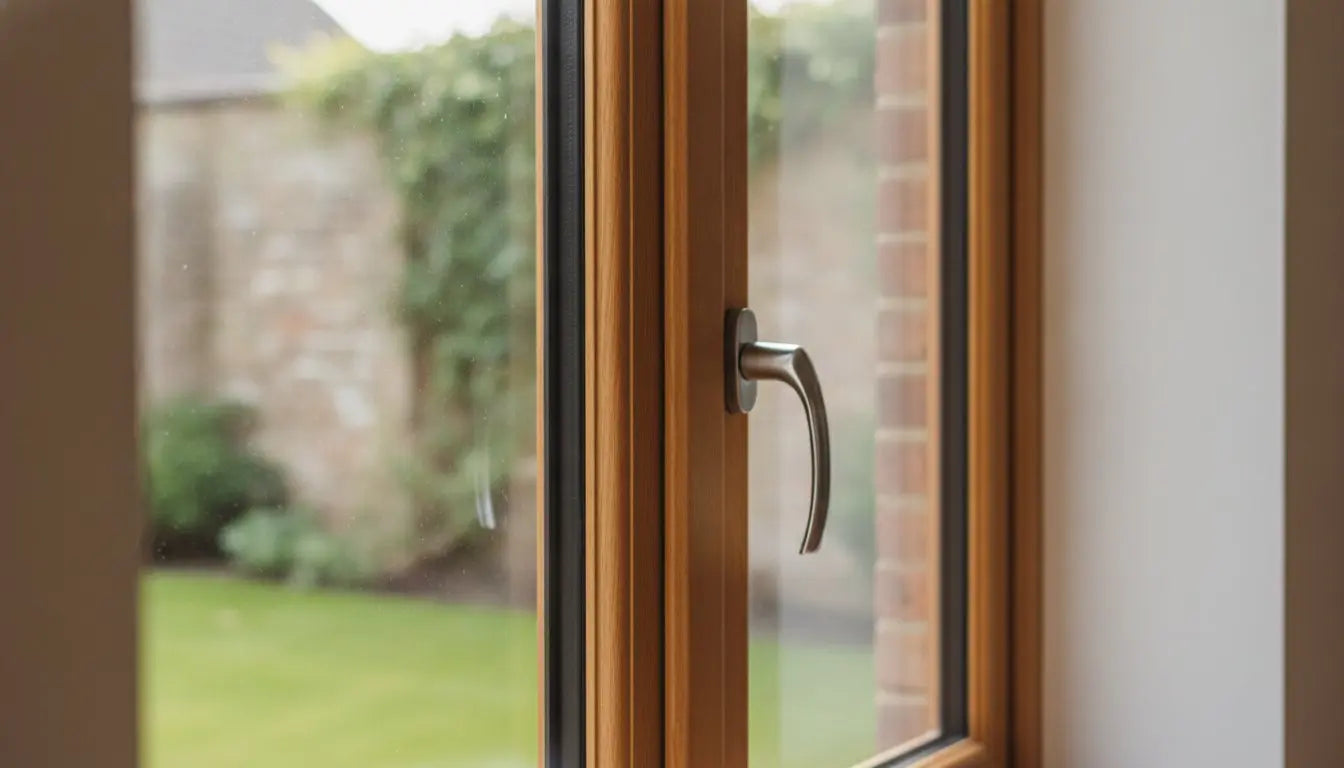
Could your choice of window frames be the difference between a 30-year replacement cycle and a 60-year legacy for your home? While many homeowners worry that timber windows might rot or warp over time, the reality in 2026 is that modern engineering has transformed wood into a high-performance architectural asset. We understand the hesitation; choosing between hardwood and softwood or trying to decode the latest thermal regulations can feel overwhelming. You want a home that feels warm and secure, whilst ensuring you don't sacrifice the period character that makes your property unique.
This guide provides the expert clarity you need to invest with absolute confidence. We'll explain how the 2026 Future Homes Standard impacts your choices and why engineered timber is now the gold standard for stability and longevity. You will discover the sensory benefits of natural materials alongside practical advice on maintenance and style. From achieving a U-value of 1.4 W/m²K for replacements to selecting the perfect finish, we're here to help you curate a living space that balances heritage charm with cutting-edge efficiency.
Key Takeaways
- Discover why the timeless aesthetic of wood remains the premier choice for enhancing property value and architectural character.
- Learn how engineered timber technology neutralises natural movement, ensuring your frames remain perfectly aligned without warping or twisting.
- Compare the functional benefits of hardwoods and softwoods to find the most durable and sustainable material for your specific environment.
- Understand how modern factory finishes and high-performance glazing allow timber windows to achieve a lifespan of 60 years whilst meeting strict 2026 energy standards.
- Explore the value of choosing a family-run specialist with over seven decades of expertise in bespoke joinery and craftsmanship.
Why Timber Windows Remain the Premium Choice for UK Homes
The enduring appeal of wood is rooted in more than just tradition. It's a material that brings a tactile warmth and organic elegance to any facade, something synthetic alternatives simply fail to mirror. When you look at the long history of timber windows, it's clear why they remain the gold standard for homeowners who prioritise quality. Unlike uPVC, which often has a finite lifespan of 25 to 30 years, a well-maintained set of timber windows can easily last 60 years or more. This longevity makes them a far superior long-term investment. Wood also possesses natural insulating properties; its cellular structure creates a thermal barrier that keeps your home comfortable whilst reducing your reliance on central heating.
The Aesthetic and Value Proposition
For many, the decision to install wood is about preserving the soul of their home. If you live in a period property, the wrong frames can strip away centuries of character in an afternoon. High-quality joinery ensures that every profile and glazing bar respects the original architectural intent. In the 2026 property market, this attention to detail is a significant driver of resale value. Buyers recognise the craftsmanship involved and view these installations as a premium feature rather than a maintenance liability. Because wood is so versatile, you aren't restricted to standard factory finishes. You can choose bespoke colours and intricate profiles that match your specific vision, ensuring your home stands out for all the right reasons.
Environmental Impact and Sustainability
Choosing timber is one of the most environmentally responsible decisions a homeowner can make. It's a truly renewable resource that actually stores carbon throughout its life, making it a carbon-neutral building material amongst its more energy-intensive competitors. We ensure that our materials are sourced from sustainably managed forests, where new growth exceeds the harvest. This creates a circular lifecycle that plastic simply cannot match.
- Low Carbon Footprint: The manufacturing process for wood requires significantly less energy than the production of plastic or metal.
- Biodegradability: At the end of its long life, timber doesn't sit in a landfill for centuries; it's a natural product that is easy to recycle.
- Repairability: Unlike synthetic frames that must be replaced if they crack or fade, timber can be sanded, filled, and repainted to look like new.
By selecting high-quality timber, you're not just buying a product; you're supporting a sustainable industry that values craftsmanship over mass production. It's a choice that respects both the environment and the heritage of your home.
Understanding Engineered Timber: Performance Without the Warp
Many homeowners remember the drafty, rattling wooden windows of the past. Those issues were almost always caused by solid wood reacting to the unpredictable British climate. When solid timber absorbs moisture, it naturally wants to move. It twists, bows, and eventually makes the window difficult to operate or impossible to seal. Modern timber windows have overcome these traditional flaws by moving away from solid sections in favour of engineered cores. This technology ensures that the frames you install today will remain as straight and functional in thirty years as they are on the day of installation.
The Science of Stability
Engineered timber is created by taking high-quality wood sections and bonding them together in multiple layers. The real magic happens in the orientation of these layers. By placing the grain of each section in an opposing direction to the one next to it, any internal tension is neutralised. If one layer attempts to pull in one direction due to humidity, the adjacent layer provides an equal and opposite force. This creates a remarkably stable component that remains true regardless of the weather outside. High-performance, moisture-resistant adhesives ensure these layers stay permanently bonded, offering a level of engineered timber performance that solid wood simply can't replicate. It's a process that effectively tames the natural tendencies of the wood.
Longevity and Structural Integrity
This inherent stability has a direct impact on how long your windows will last. Traditional solid softwood might show signs of movement within a decade, but engineered cores are designed to remain structurally sound for the long haul. Because the frame doesn't warp, the weather seals stay perfectly compressed against the sash. This prevents the drafts and moisture ingress that often lead to internal rot. It also ensures that modern multi-point locking systems and heavy-duty hinges continue to align perfectly, maintaining your home's security without the need for constant adjustment. If you're looking for frames that combine this technical excellence with traditional style, exploring a curated selection of timber windows is an excellent way to see the difference for yourself.
The added strength of these layered cores allows for much slimmer frame profiles than were possible in the past. In 2026, homeowners increasingly demand larger glazing areas to maximise natural light. Engineered timber provides the necessary rigidity to support heavy triple-glazed units whilst keeping the sightlines elegant and unobtrusive. Engineered timber represents the marriage of natural beauty and modern structural science.
Hardwood vs. Softwood: Selecting the Right Material and Style
Choosing the right species for your timber windows is a decision that balances initial cost with long-term performance. While the terms "hardwood" and "softwood" are botanical classifications rather than a direct measure of physical hardness, they do indicate how a material will behave in the face of the British weather. Selecting the wrong timber for an exposed coastal location, for instance, could lead to premature wear, whereas a sheltered cottage might thrive with a more cost-effective softwood. Your choice should always reflect the specific environmental demands of your property and the aesthetic finish you desire.
Timber Species Comparison
- Oak: Often regarded as the gold standard, Oak is a dense hardwood known for its strength and stunning grain character. It's naturally resistant to decay and is the ideal choice if you want a stained finish that showcases the wood's natural beauty.
- Accoya: This is a modified timber that has undergone an acetylation process to change its chemical structure. The result is a material with industry-leading stability that won't shrink or swell. It's particularly favoured for painted finishes as the lack of movement prevents the paint film from cracking.
- European Redwood: A high-quality softwood that offers a sustainable and budget-friendly alternative. When sourced correctly and treated with modern factory finishes, it provides excellent durability and is a versatile choice for most standard residential projects.
Window Styles for Every Property
The style of frame you choose must harmonise with your home's architecture. For Georgian and Victorian restorations, the sliding sash window is essential. These utilise weights or springs to allow the sashes to slide vertically, preserving the classic sightlines that define period streets. If you're looking for something more versatile, the flush casement is a superb option. The window sits level with the frame when closed, offering clean, understated lines that suit both traditional cottages and contemporary new builds.
For homes in particularly exposed locations, such as those on the coast or in high-altitude areas, stormproof casements are the practical choice. Unlike flush designs, these feature a lip that overlaps the frame, providing an extra layer of protection against driving rain and wind. This ensures your timber windows remain watertight and secure even in the harshest conditions. Whether you prioritise heritage accuracy or modern weatherproofing, the right combination of material and style will ensure your investment stands the test of time.

Maximising Longevity: Maintenance, Security, and Thermal Efficiency
A common misconception is that timber windows require an exhausting amount of upkeep. In reality, the advancements in factory-applied finishes have shifted the maintenance schedule from a yearly chore to a once-a-decade refresh. By combining the structural stability of the engineered cores we discussed earlier with high-performance coatings, your windows are protected against the elements far more effectively than in previous generations. This protection doesn't just preserve the look of your home; it ensures the functional components remain in peak condition for years to come.
The Reality of Modern Maintenance
The secret to modern longevity lies in microporous paints and stains. These specialised coatings act like a high-tech skin; they are water-repellent whilst remaining breathable. This allows any internal moisture to escape without causing the paint to blister or peel. Typically, you'll only need to consider a fresh coat every 8 to 10 years. Between these intervals, maintenance is remarkably simple. A gentle wipe down with soapy water twice a year is often enough to remove atmospheric pollutants and keep the finish looking vibrant. If you do spot a minor surface scratch, treating it immediately with a small touch-up kit prevents moisture from reaching the wood, effectively stopping potential issues before they can take hold.
Energy Efficiency and Security
Thermal performance is a critical consideration for any homeowner in 2026, especially as we aim for lower U-values and reduced energy bills. Timber is naturally 400 times more insulating than steel. This inherent quality prevents thermal bridging, meaning the frame itself doesn't become a cold spot that attracts condensation. When paired with high-performance double or triple glazing, these frames provide a level of warmth that synthetic materials struggle to match.
Security is equally paramount. Because timber is naturally dense and robust, it provides a formidable foundation for modern hardware. We integrate multi-point locking systems that secure the sash at several intervals along the frame, making them incredibly difficult to force. This combination of traditional strength and modern engineering ensures your home is as secure as it is beautiful. To see how these features come together in a finished product, you can view our full range of timber windows and discover the perfect balance of form and function.
High-quality hardware also plays a vital role in thermal efficiency. Precision-engineered hinges and handles ensure a tight, consistent seal every time you close the window. This eliminates the draughts and leaks that can plague lower-quality installations, ensuring your home stays quiet and energy-efficient regardless of the weather outside.
Sourcing Quality Timber Windows from Arborfield Joinery
Since 1953, Arborfield Joinery has acted as a steady hand for homeowners and trade professionals alike. As a family-run enterprise, we don't just sell products; we curate a selection of the finest joinery available. We understand that choosing timber windows is a significant investment in your home's future. That's why we prioritise a quality-first narrative, ensuring that every frame we supply meets our exacting standards for durability and aesthetic appeal. Our long-standing presence in the industry allows us to offer the authoritative guidance of a veteran whilst maintaining the personal, helpful atmosphere of a local specialist.
Our Heritage in Joinery
Our expertise has been refined over seven decades. This heritage ensures that we only partner with manufacturers who share our commitment to precision and sustainable sourcing. Whilst many retailers focus solely on volume, we act as a knowledgeable consultant to help you navigate technical details and style choices. We encourage you to visit our extensive showroom, where you can experience the tactile quality and sensory appeal of our range first-hand. Seeing the intricate profiles and robust construction in person provides a level of confidence that a digital storefront simply cannot replicate. It's an opportunity to discuss your bespoke requirements with experts who truly value the art of joinery.
Complete Your Project
Creating a cohesive architectural theme often requires looking beyond the window frames. To ensure a harmonious transition between your rooms, you might consider matching the natural character of your exterior joinery with our internal oak doors. These products share the same dedication to material quality and timeless style, helping to curate a living space that feels unified and elegant. If your project involves expanding your connection to the outdoors, exploring our timber bifold doors for sale offers a premium solution for maximised light and modern functionality.
We provide national delivery across the UK, ensuring that our expertly curated timber windows are accessible regardless of your location. Whether you are restoring a Victorian terrace or building a contemporary retreat, our team is ready to offer the empathetic, expert guidance you need. We believe in building long-term relationships through reliable service and exceptional products. If you are also planning bespoke interior renovations, Kobb Interiors Ltd offers expert design and installation for kitchens and bathrooms with flexible finance options. Consult with our specialists today to find a bespoke solution that enhances your home’s character and stands as a testament to quality craftsmanship for decades to come.
Invest in a Legacy of Quality
Choosing timber windows is no longer a compromise between traditional style and modern performance. As we've explored, the advent of engineered cores and high-performance microporous finishes has effectively neutralised age-old concerns regarding warping and intensive maintenance. You're now able to enjoy a frame that can last up to 60 years whilst comfortably meeting the stringent thermal requirements of 2026. This isn't just about replacing a fixture; it's about enhancing your property's character and securing its long-term value with a sustainable, natural material.
Since 1953, our family-run team has been dedicated to supplying the finest joinery to homeowners and trade professionals. We pride ourselves on being more than just a retailer; we're consultants who understand the nuances of heritage and craftsmanship. With national UK delivery available, the perfect bespoke solution for your home is easily within reach. We invite you to explore our premium range of timber windows and doors and discover how our expertise can help you curate your ideal living space. Your home deserves a finish that stands the test of time.
Frequently Asked Questions
How long do timber windows actually last compared to uPVC?
Well-maintained timber windows offer a lifespan of roughly 60 years, which is double that of most uPVC alternatives. This longevity is achieved through the material's natural durability and the ability to repair or repaint the frames over time. Whilst a synthetic window must be entirely replaced if it cracks or fades, wood can be refurbished to look new, making it a far more sustainable long-term investment for your home.
Do timber windows require a lot of maintenance in 2026?
Modern maintenance is significantly less demanding than in previous decades, typically requiring a fresh coat of paint only every 8 to 10 years. We use advanced microporous finishes that allow the wood to breathe whilst repelling liquid water, preventing the peeling associated with old-fashioned gloss. A simple biannual clean with a soft cloth and soapy water is usually enough to keep the factory finish in excellent condition.
Are wooden windows more energy efficient than aluminium or plastic?
Wood is a superior natural insulator that prevents the thermal bridging often found in metal frames. Because timber has a low thermal conductivity, it keeps heat inside during winter and outside during summer more effectively than aluminium or standard plastic. When combined with high-performance glazing, these windows easily meet the 1.4 W/m²K U-value requirements for replacement units in existing UK homes.
Can I have timber windows in a conservation area or listed building?
Timber is frequently the only material permitted for properties in conservation areas or listed buildings due to its historical accuracy. Whilst you will likely need planning permission or listed building consent, many local authorities prefer wood because it preserves the architectural integrity of the street. We can provide bespoke profiles that replicate original heritage details whilst incorporating modern thermal and security features.
What is the difference between softwood and hardwood windows?
The primary difference lies in the density and natural rot resistance of the wood species. Hardwoods like Oak or Sapele are typically slower-growing and denser, offering a more robust structure for stained finishes. Softwoods, such as European Redwood, are more cost-effective and highly sustainable; when treated with modern preservatives and engineered for stability, they provide an excellent foundation for painted timber windows.
How do I prevent my timber windows from warping or sticking?
Selecting frames made from engineered timber is the most effective way to prevent warping or sticking. This multi-layered construction neutralises the natural tension in the wood, ensuring the sashes remain straight and true. You should also ensure that drainage holes remain clear of debris and that the hardware is lubricated annually to maintain smooth operation throughout the changing seasons.
Are timber windows secure against intruders?
Yes, the natural strength of the material combined with modern locking systems makes these windows exceptionally secure. Unlike hollow plastic frames, solid timber is difficult to force or bend. We equip our range with multi-point locking mechanisms and robust hinges that meet modern security standards, providing peace of mind without compromising on traditional style.
Can I get bespoke sizes and colours for my timber windows?
Customisation is one of the greatest strengths of wood, allowing for bespoke sizes and a virtually limitless choice of colours. We can manufacture frames to fit non-standard openings and finish them in any RAL colour to match your home's unique palette. This flexibility ensures that your joinery is a perfect fit for your property's character rather than a "one size fits all" compromise.
Share:
Timber Bifold Doors for Sale: The Homeowner’s Premium Buying Guide
The Complete Guide to Internal Doors and Door Frames: Quality, Style, and Selection