
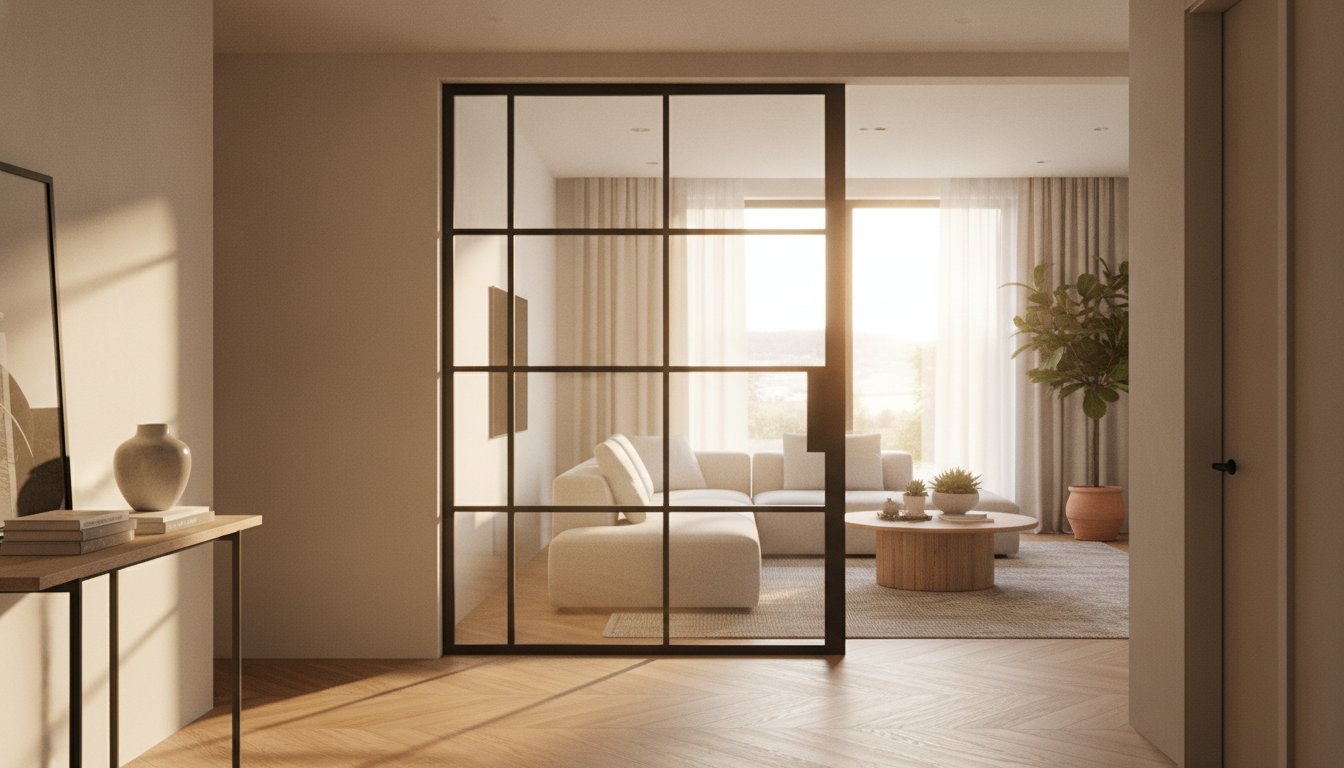
Could the simple addition of glass do more for your home's atmosphere than a full-scale structural renovation? Many homeowners feel restricted by dark, narrow hallways or rooms that feel isolated from the rest of the house, yet the prospect of removing walls is often too daunting. It's a common dilemma to want a brighter, more open-plan feel whilst still needing the quiet boundaries that glazed doors provide.
We understand that you're looking for more than just a functional entry point; you're looking for a piece of craftsmanship that enhances your property's character. Choosing the right doors involves balancing beauty with the practicalities of family life, such as ensuring safety in high-traffic areas and matching new joinery with your existing timber. This guide will show you how to select high-quality doors that offer both elegance and durability, ensuring your investment remains a source of pride for decades.
We will explore the latest 2026 design trends, from the industrial aesthetic of the Urban collection to the timeless warmth of oak and walnut. You'll learn how to maximise natural light and improve room flow whilst meeting the rigorous requirements of the Future Homes Standard. From toughened safety glass to bespoke finishes, we'll help you curate a cohesive interior that feels both modern and welcoming.
Key Takeaways
- Learn how to utilise "borrowed light" to transform dim corridors into bright, welcoming spaces without the need for costly structural alterations.
- Discover how to select between timeless oak, luxurious walnut, or contemporary Urban styles to perfectly complement your home's unique interior palette.
- Understand the functional differences between clear and frosted glass to balance maximum light transfer with essential privacy for bedrooms and bathrooms.
- Master the essential steps for measuring your door frames accurately to ensure a precision fit for your new glazed doors.
- Gain expert insight from a heritage business with over 70 years of joinery experience to help you curate a cohesive, high-quality interior.
Why Choose Internal Glazed Doors? Enhancing Light and Space
Why leave your hallway in the dark when you can transform it into a bright, welcoming passage? The architectural concept of "borrowed light" is perhaps the most compelling reason to install glazed doors. By replacing a solid timber barrier with a glass panel, you allow sunlight to travel from a bright garden room or kitchen into windowless internal corridors. This simple change creates a sense of openness without the mess or expense of knocking down structural walls; it's an elegant way to make your home feel much larger than its footprint suggests.
Beyond the visual expansion, natural light has a profound effect on our daily wellbeing. Studies in environmental psychology suggest that increased exposure to daylight within the home can boost mood and productivity levels. It makes communal areas feel more inviting for family and guests alike. You can maintain a seamless flow between a dining room and a living space, keeping the heat in whilst ensuring the house feels like one continuous, airy environment. Natural light provides several key benefits for the modern home:
- Reduces the need for artificial lighting during daylight hours.
- Creates a visual connection between rooms, making small spaces feel less restrictive.
- Highlights the natural grain and texture of your timber joinery.
- Supports the circadian rhythm, helping you feel more alert during the day.
Many homeowners worry that glass might compromise the quiet of their home, but modern glazed panels are engineered for performance. High-quality toughened safety glass, a technology also essential for the thermal and acoustic performance of a sliding glass door, offers surprising sound insulation. Whilst a solid timber door provides a slightly higher decibel reduction, modern 4mm or 5mm glazing is thick enough to dampen the hum of a television or kitchen appliances. This strikes a perfect balance between visibility and peace, allowing you to keep an eye on the children whilst enjoying a quiet moment in the next room.
The Aesthetic Advantage: Modern vs Traditional
Glazing is a versatile tool for any interior designer. Adding glass panels can instantly modernise a traditional internal oak door, softening the heavy look of solid wood whilst retaining its heritage charm. It allows you to define the purpose of a room, such as a home office or a snug, without creating a dark, claustrophobic barrier. Whether you choose a single large pane or a multi-light design, you're adding a layer of sophistication that solid doors simply cannot match.
Increasing Property Value with Quality Joinery
For UK property renovators, high-quality glazed doors are a favourite amongst those looking for a high return on investment. A consistent look across all rooms suggests a well-maintained, premium property that buyers find incredibly attractive. To achieve this level of detail throughout your home, specialists like Wardrobe Door Studio offer bespoke wardrobe solutions that can harmonise with your chosen interior style. Choosing timber-based doors also offers a sustainability advantage over uPVC alternatives. Solid wood is a natural insulator and a renewable resource, providing a tactile quality and longevity that synthetic materials cannot replicate. Since 1953, we've seen how investing in the right joinery can protect the value of a home for decades to come.
Selecting the Perfect Material: Oak, Walnut, and Urban Styles
The material you select serves as the frame for your view. It dictates whether your glazed doors will act as a subtle transition or a bold architectural statement. Whilst the glass invites the light, the timber or metal-style framing provides the character and structural integrity necessary for a long-lasting installation. Since each material carries its own weight, texture, and light-reflecting properties, choosing the right one is essential for a cohesive home design.
Timber Species and Their Characteristics
Oak remains the pre-eminent choice for internal doors across the UK. Its dense grain and natural durability make it ideal for supporting large glass panes without warping over time. If you're looking to create a unified aesthetic, oak allows you to easily match your doors with existing stairs and staircase components, ensuring a seamless transition between floors. For those seeking a more opulent atmosphere, walnut offers a darker, sophisticated alternative that pairs beautifully with clear glazing to create a high-contrast, luxury feel.
If you prefer a bespoke finish, white primed doors provide a smooth canvas for custom paint colours. This flexibility is perfect for homeowners who want the light-boosting benefits of glazing but wish to match their doors to a specific interior palette. Regardless of the finish, quality remains the priority. All reliable timber doors must incorporate glass that meets stringent safety benchmarks, such as those outlined in the official U.S. government safety standard for architectural glazing, ensuring the glass remains secure even in high-traffic family areas.
The Urban Collection: Industrial Style
The rise of industrial-chic interiors has seen a surge in popularity for the Urban range in 2026. These doors feature slim, black-framed profiles that offer a striking contrast against neutral walls. Often referred to as "Crittall-style" doors, they provide a modern edge that works surprisingly well in traditional homes, especially when used to partition kitchens or home offices. The thin stiles and rails maximise the surface area of the glass, allowing for an unobstructed flow of light that smaller-paned traditional doors might restrict.
Maintaining these doors is remarkably straightforward. Factory-finished Urban doors or pre-lacquered oak options require little more than a wipe down with a soft cloth to maintain their lustre. Natural timber, however, offers the unique opportunity to re-stain or finish the wood yourself, allowing the door to evolve alongside your interior decor. If you're unsure which material feels right for your space, you can explore our full collection of timber and urban styles to see how these textures catch the light in person.
Navigating Glass Types: Privacy, Safety, and Aesthetic Appeal
The glass you choose is just as influential as the timber framing it. Whilst clear glass is the traditional favourite for social areas like kitchens and dining rooms, it isn't always the ideal fit for every corner of the home. Modern glazed doors offer a wide variety of glass textures that allow you to curate the perfect balance between visibility and seclusion. Selecting the right type ensures that every room feels purposeful and secure, without sacrificing the flow of natural light.
Reeded and decorative glass have seen a significant resurgence in 2026. These styles add architectural interest and a tactile quality to your interior, diffusing light in a way that clear glass cannot. Reeded glass, with its vertical grooves, offers a sophisticated "visual restraint" that obscures the room behind it whilst still allowing a generous flow of light. It's an excellent choice for home offices where you want to feel connected to the rest of the house without being distracted by every movement in the hallway.
In addition to optimising the light in your workspace, you can explore I-Easy dual motors Electric Standing Desk to ensure your home office is equipped with the best ergonomic furniture for comfort and productivity.
The Science of Toughened Glass
Safety is often the primary concern for families with young children or pets. High-quality glazed doors must utilise toughened glass to prevent injury in the event of an accidental impact. This glass undergoes a rigorous tempering process, heating it to extreme temperatures before rapidly cooling it. This creates internal stresses that ensure the glass, if broken, shatters into small, blunt granules rather than dangerous shards. It's a reliable technology that provides peace of mind in high-traffic areas.
You should always look for the "kite mark" or safety stamp on the corner of the panel to verify its quality. This mark indicates that the product meets international safety requirements, aligning with established CPSC safety standards for glazed doors. BS EN 12150 is the UK standard for thermally toughened soda lime silicate safety glass.
Privacy Solutions for Glazed Doors
For areas such as en-suites or utility rooms, frosted glass is the ideal solution. It provides complete privacy whilst ensuring the room doesn't feel like a dark, enclosed box. There are two main ways to achieve this finish: sandblasting and acid-etching. Sandblasting creates a slightly rougher, more opaque surface by pelting the glass with sand at high speeds. Acid-etching, on the other hand, produces a smoother, satin-like finish that is often easier to keep clean in a busy household.
Both methods effectively obscure direct lines of sight whilst keeping your home feeling bright and open. Choosing the right finish depends on your aesthetic preference and the specific needs of the room. By thoughtfully selecting your glass type, you can maintain the elegant aesthetic of your home whilst ensuring every space remains practical and private.

Practical Selection Guide: Measuring and Matching Your Interior
Measuring your aperture correctly is the foundation of a successful installation. Even the most beautiful glazed doors will fail to impress if they don't sit perfectly within the frame. Whilst it's tempting to take a single quick measurement, professional joinery requires a more methodical approach. Homes, especially older UK properties, are rarely perfectly square; walls settle and frames can warp slightly over the decades.
Follow these four essential steps to ensure a precision fit:
- Step 1: Three-Point Measurement. Measure the width and height of the door frame at three different points: the top, middle, and bottom. Always use the smallest dimension as your guide to ensure the door can move freely.
- Step 2: Evaluate the Door Swing. Consider how the door opens and what the glass will reveal. Think about the impact on surrounding furniture and whether the glass will catch direct glare from windows or lamps.
- Step 3: Check Thickness. Most standard UK internal doors are 35mm thick. However, premium or heavy-duty glazed doors often come in 40mm. Ensure your existing rebate can accommodate this extra depth without the door protruding.
- Step 4: Select Hardware. Choose handles and latches that complement the glazing. For doors with large glass panels, you'll need a latch with an appropriate backset depth to ensure the handle doesn't obstruct the glass bead.
Common Mistakes to Avoid When Buying Glazed Doors
Don't overlook the "trimming zone". Every timber door has a limit on how much can be cut from the stiles and rails before the structural integrity is compromised. If your frame is significantly out of square, you may need to consider a bespoke size rather than over-trimming a standard unit. Additionally, remember that glass adds significant weight. Standard hinges often struggle with heavy 40mm glazed units; we recommend using three high-quality ball-bearing hinges to prevent the door from sagging over time.
Matching Doors with Frames and Architraves
A beautiful door deserves a quality frame. Ensuring your internal doors and door frames share a consistent finish creates a professional, high-end look. A matching architrave acts as a frame for your new glazed feature, drawing the eye and adding value to the room. If you're ready to transform your space, you can view our full range of glazed doors to find the perfect match for your home's unique character.
Explore the Arborfield Joinery Glazed Door Collection
Since 1953, Arborfield Joinery has remained a cornerstone of quality for UK homeowners. We don't just sell products; we act as knowledgeable consultants, guiding you through the evolution of timber craftsmanship. Choosing the right glazed doors is a significant investment in your property's future, and our heritage ensures you receive advice rooted in decades of proven expertise. We take immense pride in being a family-run enterprise that treats every renovation project with the care it deserves.
Whilst many retailers operate solely online, we believe in the value of a tactile experience. Our Berkshire showroom houses a display of over 120 doors, allowing you to feel the weight of the timber and inspect the precision of the glazing in person. For those further afield, we provide reliable national delivery across the UK mainland. To make your project even more attainable, we offer free shipping on all orders over £900, ensuring your high-quality joinery arrives safely at your doorstep.
Standout Products for 2026
Our curated range for 2026 reflects a blend of traditional warmth and contemporary "visual restraint." The Oak Mexicano Glazed door remains a firm favourite, known for its bold, clean lines and large clear glass panels that maximise light flow. For those favouring a minimalist aesthetic, the Shaker White Primed 1-Lite offers a crisp, clean finish that suits modern apartments and heritage cottages alike. If you are looking to capture the definitive industrial trend, our Urban Black 4-Lite provides that sought-after "Crittall-style" look with slim, sophisticated profiles.
Why Order from Arborfield Joinery?
Working with a family-run business means you benefit from a personalised service that larger corporations simply cannot replicate. We understand that your home is a reflection of your personality, and we are here to help you curate that space with discernment. Our extensive stock levels mean we can offer faster lead times, helping you keep your renovation project on schedule. We focus on durability and style, ensuring that every door we supply adds timeless value to your property.
Whether you are looking to brighten a dark hallway or create a seamless transition between communal rooms, our collection has been selected for its superior craftsmanship. Browse our complete collection of 260+ glazed doors today and discover how the right joinery can transform your living environment.
Transform Your Home with Light and Style
Investing in the right joinery is about more than simple aesthetics; it's about enhancing the way you experience your daily living space. By choosing high-quality glazed doors, you're inviting natural light to flow through your home, making even the smallest corridors feel spacious and welcoming. Whether you opt for the industrial edge of our Urban range or the classic warmth of oak, your choice will add lasting value and character to your property whilst improving the overall flow of your interior.
Since 1953, our family-run team has helped homeowners find the perfect balance between privacy and openness. We offer over 260 styles to suit every palette, and we provide free mainland UK delivery on orders over £900 to ensure your renovation remains stress-free. If you're ready to see the difference that expert craftsmanship makes, we're here to help you select a door that stands the test of time.
Shop our extensive range of premium glazed doors
We look forward to helping you curate a brighter, more beautiful home today.
Frequently Asked Questions
Can I trim a glazed door if my frame is an unusual size?
You can trim most glazed doors, but you must stay within the manufacturer’s recommended trimming zone. This is typically between 6mm and 10mm per side. Trimming beyond this can damage the internal structure and void the warranty. If your frame is significantly out of square, a bespoke size is often a more reliable choice than over-cutting a standard unit.
Are all your glazed doors made with safety glass?
Every door in our collection utilises toughened safety glass as standard. This ensures that if an accident occurs, the glass shatters into small, blunt granules rather than sharp shards. We prioritise safety, especially in high-traffic family areas, by sourcing products that meet the BS EN 12150 UK standard for thermally toughened safety glass.
What is the difference between clear and frosted glass for internal doors?
Clear glass is designed to maximise visibility and light flow between communal spaces like kitchens and living rooms. In contrast, frosted glass provides essential privacy for bathrooms or bedrooms whilst still allowing light to pass through. Acid-etched frosted glass is particularly popular because it offers a smooth, easy-to-clean finish that diffuses light beautifully across the room.
Do glazed doors provide good sound insulation between rooms?
Modern glazed doors offer excellent acoustic performance due to the combined density of the timber frame and the toughened glass panels. Whilst they don't provide the absolute silence of a thick solid-core door, they are highly effective at dampening everyday household noise. This makes them a practical choice for home offices or nurseries where you need a quiet environment without feeling isolated.
How do I clean and maintain the glass panels in my doors?
Maintaining your glass panels is straightforward and requires nothing more than a soft, lint-free cloth and a mild glass cleaner. You should avoid getting liquid on the timber stiles or rails, as moisture can damage the finish over time. A quick wipe down once a fortnight is usually enough to keep the glass crystal clear and the timber looking its best.
Can I get glazed fire doors for my kitchen or hallway?
Yes, we supply FD30-rated glazed fire doors that provide 30 minutes of fire resistance. These specialised units use fire-rated glass and slightly thicker frames to meet strict UK building regulations. They are an ideal safety solution for kitchens or hallways where you want the aesthetic benefit of glazing without compromising your home's fire safety strategy.
Which timber species is best for a glazed door: Oak or Walnut?
The choice depends entirely on your interior design goals. Oak is a versatile, durable favourite that suits almost any British home, from traditional cottages to modern apartments. Walnut is a premium option that adds a sense of luxury with its deep, rich tones and elegant grain patterns. Both species provide the structural strength needed to support large glass panels for decades.
How much natural light can I expect a glazed door to transfer?
A glazed door can transform a windowless corridor by "borrowing" light from adjacent sunlit rooms. Clear glass panels allow almost 100% of the available light to pass through, significantly reducing the need for artificial lighting during the day. Even frosted or reeded glass options will illuminate a dark space, though they diffuse the light for a softer, more private atmosphere.
Share:
Exploring the Timeless Appeal of the Four Panel Door: A Style Guide for 2026
Exploring the Timeless Appeal of the Four Panel Door: A Style Guide for 2026