
Last Updated: November 13, 2026
Quick Summary
The lacquer vs oil choice comes down to protection style: lacquer forms a hard-wearing film on the surface that resists spills and wipes clean, while hard wax oil penetrates the grain for a natural, tactile finish that is easy to repair locally. Neither wins outright, so match the finish to the joinery.
- Lacquer suits high-traffic internal doors, skirting and kitchen cabinetry because grime stays on the surface.
- Oil wins on repair: a scratch is sanded and recoated locally without refinishing the whole panel.
- Oiled surfaces are softer and mark more easily, and standing water can stain open grain.
- Mixing finishes works: lacquered doors and skirting with oiled handrails and panelling.
- The Walden unfinished oak internal door costs £125.00 and suits an oiled finish.
Table of Contents
- Lacquer vs Oil: The Core Differences at a Glance
- Hard Wax Oil vs Lacquer: How Each One Protects Timber
- Durability, Water and Stain Resistance on Doors and Staircases
- Appearance: Sheen, Wood Grain and Natural Feel
- The Best Finish for Interior Woodwork by Joinery Type
- How to Maintain Oiled Wood Through Its Service Life
- Repairing Lacquered Wood and Oiled Surfaces Compared
- Choosing Your Finish and Ordering Unfinished Oak Doors
- Frequently Asked Questions
Lacquer vs Oil: The Core Differences at a Glance
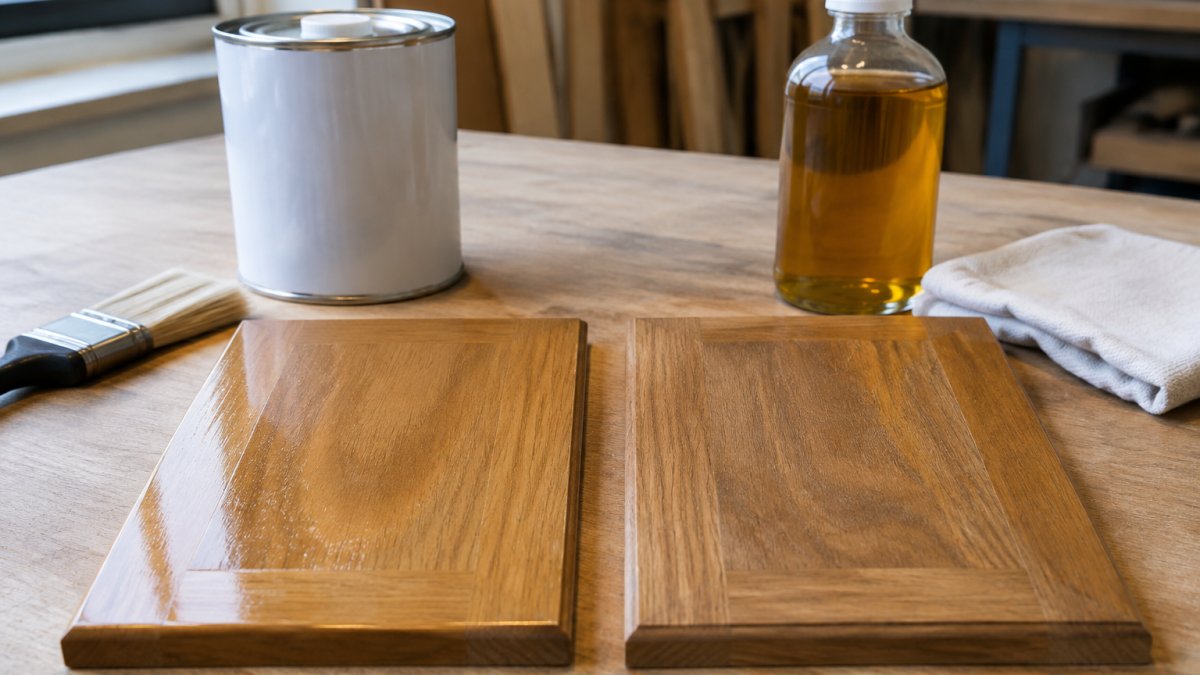
The benefits of lacquer vs oil for internal joinery come down to one structural fact: lacquer sits on the timber as a protective film, while oil soaks into the wood pores and hardens within the grain. That single difference shapes everything that follows, from how a door feels underhand to how you fix a scratch three years from now. The honest answer is that neither finish wins outright. Lacquer gives you a sealed, uniform surface with minimal upkeep. Oil gives you a penetrating finish that keeps the natural appearance of timber and can be repaired locally. Below, we break down how each protects, wears, looks and ages, then give you a decision framework based on the joinery in question.
| Factor | Lacquer | Hard Wax Oil |
|---|---|---|
| How it works | Surface coating, builds a film | Penetrating finish, sits in the grain |
| Appearance | Smooth, uniform sheen | Natural feel, open grain |
| Durability | Hard-wearing film, resists abrasion | Softer surface, marks more easily |
| Repair | Full panel refinishing | Local touch-up and recoating |
| Maintenance | Low maintenance, wipe clean | Periodic recoating |
| Best for | High-traffic doors, busy households | Staircases, feature joinery, tactile finishes |
Hard Wax Oil vs Lacquer: How Each One Protects Timber
Protection works differently in each case. Lacquer forms a continuous surface coating across the timber, sealing the wood pores beneath a film that resists liquid spills, abrasion and everyday grime. Hard-wax oil penetrates instead, soaking into the grain and curing there to harden the wood from within while leaving the surface open. That open surface is why oiled timber breathes and feels like wood rather than plastic. It is also why oil offers less resistance to standing water and stains. If moisture protection is your priority, our guide to wood sealants for moisture protection covers the options in more detail. The Wood Protection Association guidance on timber finishes is a useful reference on how film-forming and penetrating systems differ in service.
Durability, Water and Stain Resistance on Doors and Staircases
On durability, lacquer has the edge for high-wear joinery. A lacquered door takes knocks, sticky fingers and repeated cleaning without the finish breaking down, and it handles occasional liquid spills well because the film keeps water out. Oiled surfaces are softer. Oiled surfaces are softer and can mark more easily, so an oiled door in a busy hallway may show wear sooner. Staircases are the harder case. Handrails, newel posts and tread edges take constant abrasion, and here lacquer's hard-wearing film usually lasts longer before it needs attention. The trade-off is that when a lacquered surface does fail, the damage is more visible.
Appearance: Sheen, Wood Grain and Natural Feel
Appearance decides this for most of our customers. Lacquer delivers a smooth, sealed surface with a uniform sheen, available in matte, satin or glossy finish, and it can read as slightly plastic-like on close inspection. Oil, by contrast, emphasises the wood grain and promotes the natural characteristics of the timber. An oiled oak door looks and feels like oak: tactile, warm, with the grain open to the touch. Hard wax oil is the finish recommended to bring out the grain of unfinished oak doors. If you want the timber to look like timber, oil is the honest choice. While oil keeps oak’s grain open and tactile, choosing durable topcoats for furniture also means weighing how much protection a busy surface needs.
The Best Finish for Interior Woodwork by Joinery Type
The best finish for interior woodwork depends on where the piece sits, how often hands touch it, and what happens when it is damaged. A door, a handrail and a skirting board see very different service, so the finish should match how each piece is handled and cleaned:
- Internal doors in busy households: lacquer. A door face takes palm contact, keys, bags and repeated wiping. A lacquered film keeps household grime on the surface, so a damp cloth lifts it without driving anything into the grain. In a hallway or kitchen, that low-maintenance surface is the practical choice.
- Staircases and handrails: lacquer on high-abrasion edges such as tread nosings and newel caps, oil on feature balustrades where feel matters. Handrails are the most handled joinery in the house; skin oils, rings and constant friction polish an oiled rail unevenly, whereas a lacquered film wears as a film and can be recoated. On a painted or lacquered staircase, the wear pattern is predictable and easier to manage.
- Skirting, architraves and door linings: lacquer, because these are cleaned frequently and sit close to floor mopping and vacuum edges. An oiled skirting in a wet-mopped hallway is the classic mistake: standing moisture on an open surface marks and darkens the timber.
- Period properties and heritage joinery: oil, because it suits repairability and a natural appearance, and because an oiled finish can be maintained piecemeal without stripping original mouldings.
- Feature panelling and bespoke pieces: oil, to keep the grain visible and the surface tactile. Panelling above waist height sees little abrasion, so the softer surface is not a liability.
- Cabinetry and built-in joinery: lacquer on doors and drawer fronts, which take constant hand contact and cleaning sprays; oil on open shelving and interior faces where feel matters more than wear. Kitchen cabinetry near a hob or sink should be lacquered, because cooking splatter and water sit on the surface rather than soaking in.
- Rental and commercial interiors: lacquer, for the lower maintenance burden and the ability to wipe clean between occupants.
A common pattern is to mix the two on one project: lacquered doors and skirting for wear, oiled handrails and panelling for feel. That is a legitimate specification, not a compromise, provided the joinery is finished before installation so the two systems do not overlap on the same piece. For a full walkthrough of upkeep on oiled timber in older homes, see how to maintain wooden staircases in period properties.
How to Maintain Oiled Wood Through Its Service Life
The service-life trade-off. Over the full life of the joinery, oil asks for frequent small interventions and lacquer asks for infrequent larger ones. Neither is free. The decision usually comes down to whether you would rather spend an hour a year with a cloth or a day every several years with sandpaper and masking tape. For most homeowners with oiled joinery, the annual routine is the easier habit to keep.
Repairing Lacquered Wood and Oiled Surfaces Compared
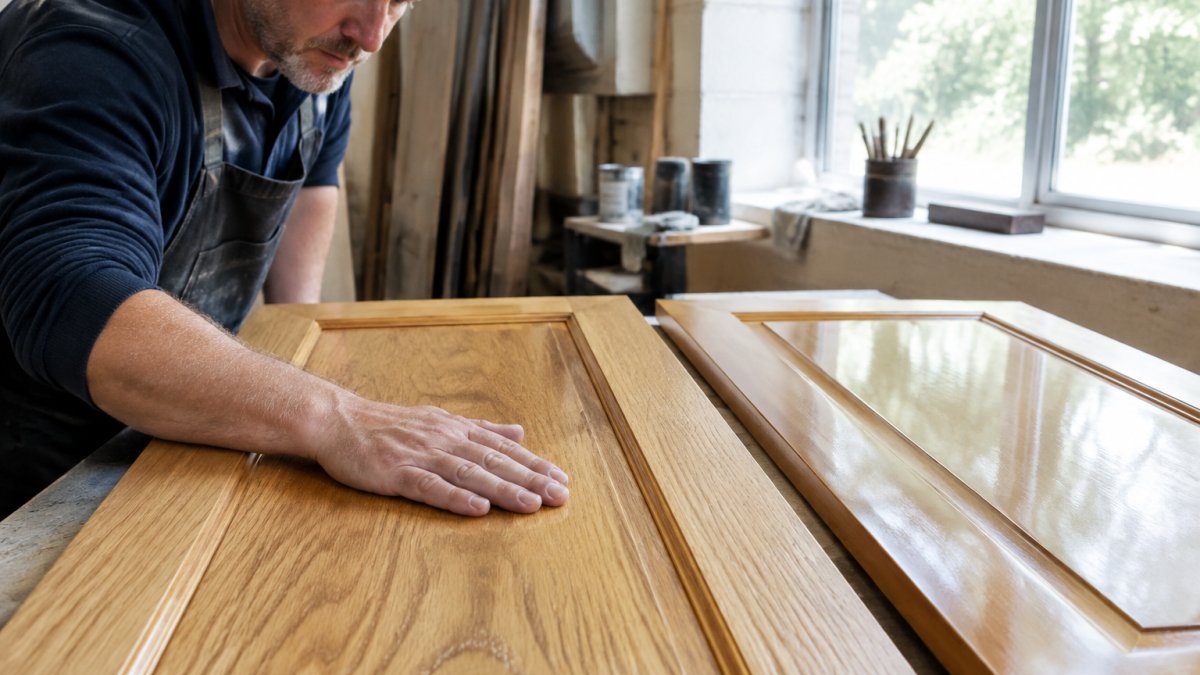
Repair is where oil wins clearly. A scratch in an oiled surface is a local repair: sand the affected area lightly, rub in fresh oil, and blend it into the surrounding grain. No visible patch, no full strip. Lacquered wood is harder to fix because the film is continuous. A deep scratch breaks the coating, and blending a repair into a sealed surface rarely looks seamless; often the whole panel needs refinishing. For practical steps on the lacquered side, our guide to repairing scratched wood finish on stairs covers the process. If repairability over the full service life matters to you, oil is the more forgiving finish.
Choosing Your Finish and Ordering Unfinished Oak Doors
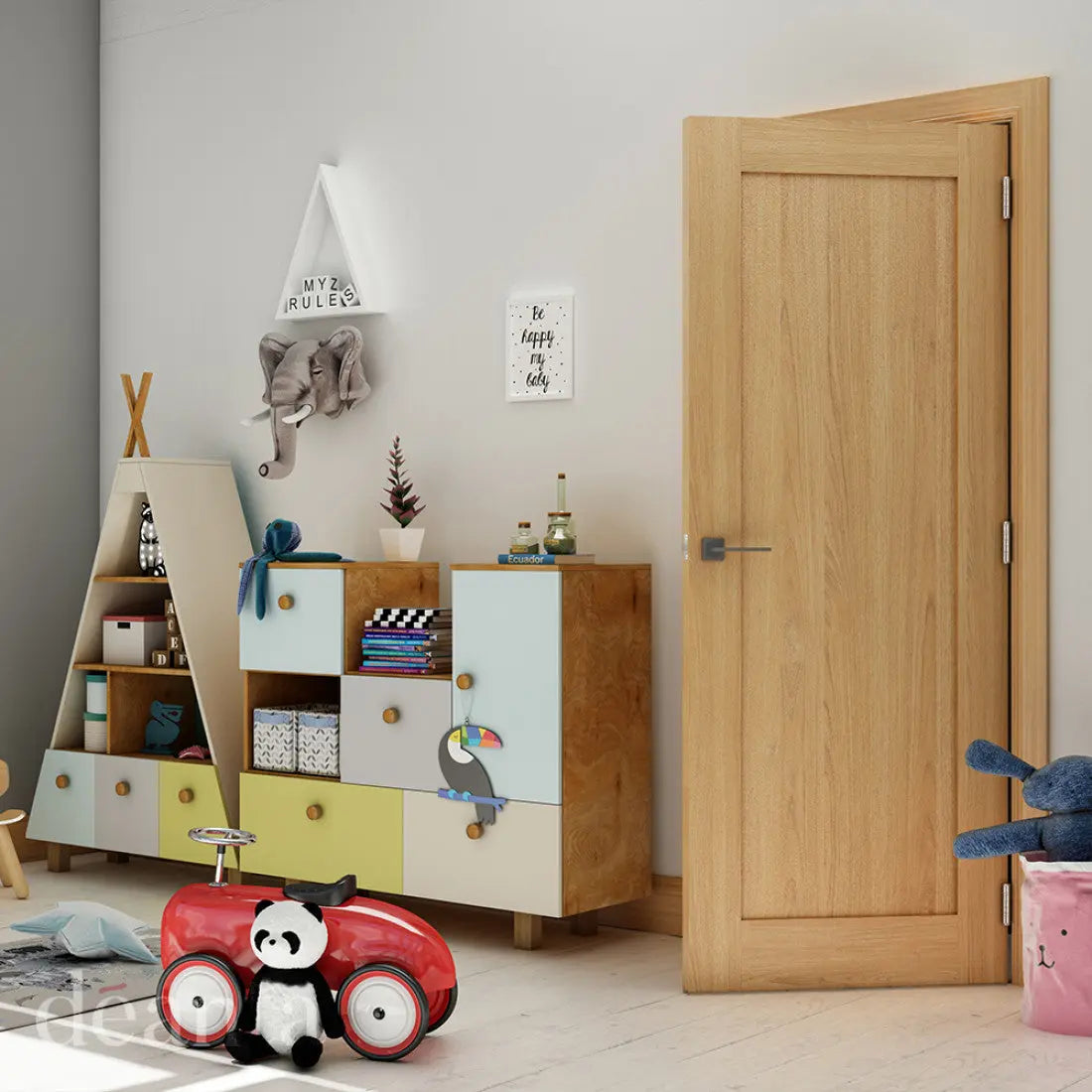
Choosing your finish starts with the door itself. An unfinished door lets you apply oil or lacquer on site to match the rest of the room, and hard wax oil is the finish we recommend for unfinished oak to emphasise the grain. Our interior doors range includes several unfinished oak styles, and the Walden unfinished oak internal door at £125.00 is a clean, modern option with a large central panel that suits an oiled finish. Every unfinished door in the range carries a 10-year manufacturer's guarantee, and we offer free UK mainland shipping on orders over £900.
The finish you choose will shape how your joinery looks and ages for decades, so it is worth getting right before you order. At Arborfield Joinery, we have supplied doors, windows and staircases since 1953, and we are happy to advise on the right finish for your property. Browse our unfinished oak doors, take advantage of free UK mainland shipping on orders over £900, and apply your chosen finish with confidence.
Frequently Asked Questions
What is the difference between lacquer and oil finishes for wood?
Lacquer sits on top of the timber as a surface coating, building a protective film that resists spills and wear. Oil, including hard wax oil, penetrates the wood pores and hardens within the grain rather than over it. That difference drives everything else: lacquer gives a smoother, more uniform sealed surface, while oil leaves the timber with a natural, tactile feel and makes local repair simpler because you can rub fresh oil into a scratch instead of refinishing a whole panel.
Is lacquer or oil better for internal joinery?
It depends on where the joinery sits and how it is used. Lacquer suits high-touch, high-wear pieces such as staircase handrails, kitchen units and busy doors because its surface film handles abrasion and liquid spills well. Oil suits doors and panelling where you want the grain to read clearly and expect to touch up marks over time. Many homes mix the two: lacquered stair parts, oiled oak doors. Match the finish to the wear pattern rather than picking one for the whole house.
Can you repair an oiled wood finish more easily than lacquer?
Generally yes. Oiled wood can be spot-repaired: sand the damaged area lightly, apply fresh hard wax oil, and blend it into the surrounding grain. There is no edge to blend because the finish lives in the wood. Repairing lacquered wood is harder because the film is continuous, so a patch can show as a visible ring or sheen difference, and deeper damage often means sanding back and recoating a larger area to get an even result.
How often does oiled internal joinery need re-oiling?
Most oiled internal doors and joinery need a refresh every 12 to 24 months, with high-touch spots such as door edges and handrails done more often. Wipe the surface clean, check whether water still beads on it, and if it soaks in rather than sitting on top, it is time to recoat. A thin coat of hard wax oil rubbed in with a cloth takes minutes per door and keeps the finish performing without a full refinish.
Does lacquer change the colour or appearance of timber?
Lacquer adds a film that can look slightly plastic-like and deepen the timber's colour a little, especially in gloss or satin sheen levels. It also flattens the grain's tactile quality. Oil, by contrast, emphasises the grain and promotes the natural characteristics of the wood, which is why unfinished oak doors are often specified with hard wax oil. If you want the timber to look and feel as close to bare wood as possible, oil is the closer match.

Share:
How to Make a Small Room Look Bigger with Door Colours
Door styles that free up room in tight spaces