
Table of Contents
- What Custom Joinery Brings to Period Property Restoration
- Assessing Your Period Property's Condition Before Deciding on Repair or Replacement
- Repair or Replace Original Windows: Making the Right Choice
- Bespoke Joinery for Period Properties: Matching Architectural Character
- Listed Building Consent for Windows and Joinery Work
- Understanding Custom Joinery Cost and Budget Planning
- Choosing a Specialist Joiner and Ensuring Quality
- Frequently Asked Questions
Last Updated: October 10, 2026
What Custom Joinery Brings to Period Property Restoration
Is custom joinery good for period property restoration? The answer depends on your property's condition, your budget, and what you're trying to achieve. At Arborfield Joinery, we've worked with countless homeowners tackling period homes, and the honest truth is this: custom joinery solves problems that off-the-shelf solutions simply can't address.
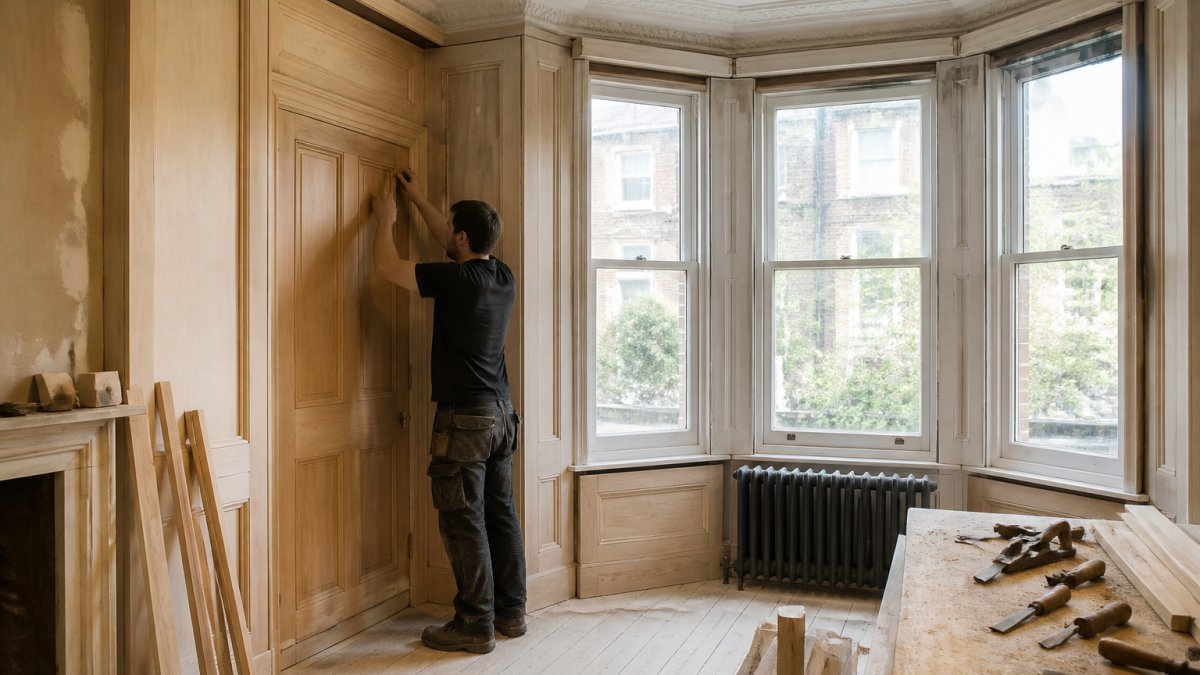
Period properties rarely have standard dimensions. Victorian terraces feature oddly-sized window openings, Georgian cottages have non-uniform doorways, and Edwardian properties sit on uneven foundations that shift over decades. Bespoke joinery isn't a luxury, it's often the only practical option that fits properly, seals against draughts, and respects the building's original character.
Assessing Your Period Property's Condition Before Deciding on Repair or Replacement
Before deciding whether to repair, source reclaimed pieces, or commission custom work, get a structural survey, many period properties have subsidence, damp, or foundation issues affecting windows and doors. Identify which joinery elements are original and inspect for soft spots, woodworm, rotting sills, broken glazing bars, and gaps suggesting settlement. A joiner experienced with period properties can assess repairability in one visit and determine whether damage runs deep into structural timber, making repair uneconomical.
Repair vs. Reclaimed vs. Custom: A Decision Framework
Repair the original works when the frame is structurally sound with no rot, damage is limited to glazing bars or sills, the property is listed or in a conservation area, or the original detail is irreplaceable.
Source reclaimed joinery works when you need to match an original beyond repair, want genuine period timber without bespoke costs, and have time to search salvage yards.
Commission custom joinery works when openings are non-standard or out of square, you need to match distinctive period details unavailable off-the-shelf, or the property is listed and requires exact matches.
Cost comparison example: A Victorian sash window with extensive rot in the sills and broken glazing bars. Repair quote: £1,200 (specialist joiner, 8 weeks). Reclaimed equivalent: £500 (if you find one) plus £400 installation adjustment (12 weeks searching).
Base the decision on condition, cost, timeline, and availability of reclaimed alternatives, not sentiment. A Victorian sash window with completely rotted sills and missing weights might cost more to restore than a sympathetic replacement.
Repair or Replace Original Windows: Making the Right Choice
Repair makes sense when the frame is structurally sound, damage is limited to glazing bars or sills, and the property is listed. Replacement makes sense when the frame has extensive rot, repair costs exceed 60-70% of replacement, or you need improved thermal performance. A poorly-executed repair is worse than a well-made replacement that matches the original profile, glazing pattern, and timber type.
Bespoke Joinery for Period Properties: Matching Architectural Character
Custom joinery becomes valuable when you can't find a standard product that fits your opening or matches your period details. Success depends on accurate documentation and specification.
How to Document Period Details for Accurate Reproduction
When commissioning custom joinery, the joiner needs precise information about profiles, proportions, timber species, mouldings, hardware, and finishes. If you have an original piece on site, a joiner can measure the exact profile using a profile gauge. If fixed in place, photograph it straight-on and from an angle showing depth and shadow.
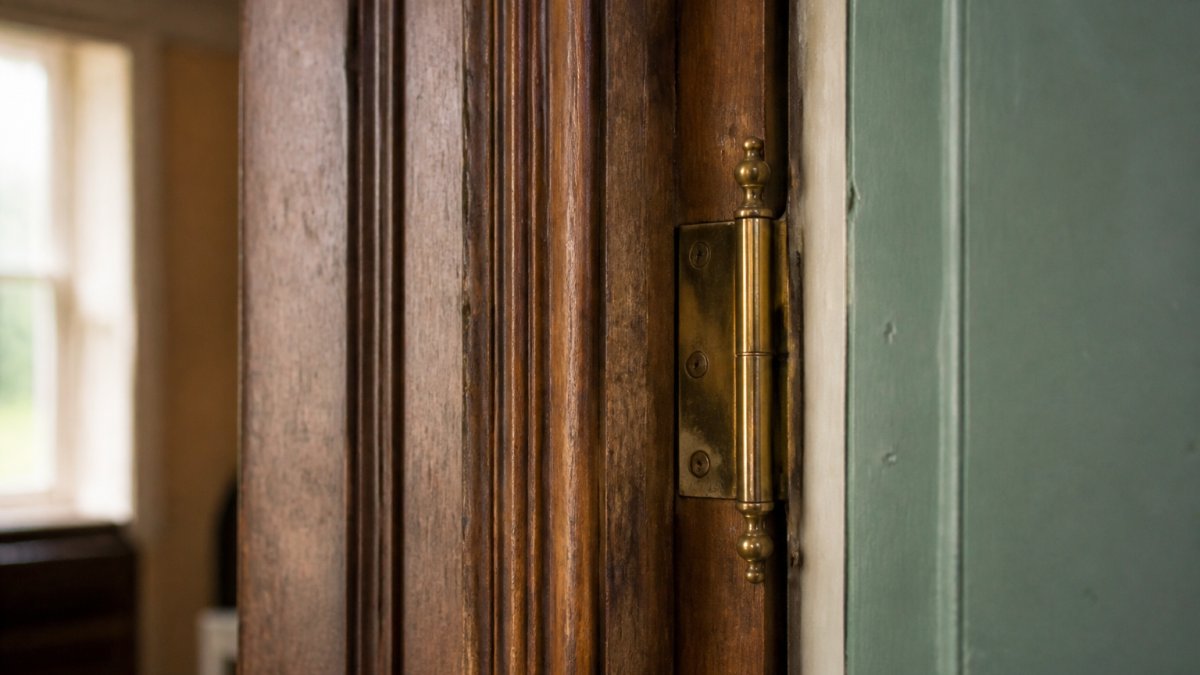
Measure and document the profile. The joiner needs width, depth, shape of each element, timber species, and finish. Document proportions and dimensions. Provide exact opening width and height, number of panes, frame and glazing bar thickness, and sill depth. Take measurements at multiple points, openings are rarely perfectly square. Identify timber species. Matching timber species is essential for visual continuity, new pine joinery looks wrong next to original oak. Document hardware and finishes. Georgian properties typically have H-hinges; Victorian properties favour butt hinges. Specify period style and finish; hand-waxed or oil finish is more sympathetic than modern polyurethane varnish.
Common Period Details and How to Match Them
Sash windows: Georgian windows have thinner glazing bars; Victorian windows have slightly thicker bars with a sloped sill and drip edge. Doors and door frames: Georgian doors typically have six raised panels with simple ovolo moulding; Victorian doors may have four panels with elaborate moulding. Mouldings and cornicing: Dado rails, picture rails, and cornicing are defining features of period interiors. A joiner can reproduce them from a sample or detailed drawing. Fitted furniture and cabinetry: Custom joinery extends beyond windows and doors to fitted wardrobes, bookcases, and cabinetry designed to match period details.
Working with a Joiner to Specify Custom Work
Once you've documented the details, the joiner will typically:
- Produce a detailed drawing showing the profile, dimensions, and materials. You should review this and approve it before manufacture begins.
- Source timber to match the original species and quality. This may take 2-4 weeks if the timber needs to be specially ordered or seasoned.
- Manufacture the piece using traditional hand tools or modern machinery, depending on the joiner's approach and the complexity of the work.
- Finish the piece (paint, stain, wax, or varnish) to match the original appearance.
- Deliver and install the joinery, making adjustments as needed to fit the opening.
Throughout this process, communication is critical. If the joiner has questions about the original detail, ask them. A good joiner will push back if a specification seems historically inaccurate or impractical.
Why Detail Matters
Consider a Victorian terraced house with a bay window that's slightly out of square due to settlement. Standard replacement windows won't fit cleanly. The frame will need shimming and filler pieces, creating gaps and draughts. A bespoke window made to the exact dimensions of your opening solves this completely.
The same applies to period mouldings, architraves, and decorative details. If your property has distinctive cornicing, dado rails, or door surrounds, matching these with stock items is nearly impossible. Custom joinery recreates the exact profile and finish, maintaining visual continuity throughout the property.
The real value of bespoke joinery isn't just about fitting awkward spaces. It's about getting the details right. A window that fits perfectly but has the wrong glazing pattern or incorrect timber section looks wrong. A door that matches the original profile and hardware looks right, even if nobody consciously notices why. This attention to detail is what separates sympathetic restoration from obvious modern replacement.
Listed Building Consent for Windows and Joinery Work
If your property is listed, you need Listed Building Consent before replacing any external joinery or making changes to original internal features (An owner's guide to listed buildings). This isn't optional. Proceeding without consent can result in enforcement action and the requirement to reinstate original elements at your own cost.
T - Hinges Penny End Beeswax 18" 450mm →
The process varies by local authority, but the principle is consistent: the local planning authority must be satisfied that any work preserves or enhances the building's historic character. This generally means:
- Replacement windows must match the original in material, profile, glazing pattern, and proportions
- Original sash windows should be retained and repaired where possible
- Timber is strongly preferred over uPVC
- Glazing bars must be authentic (not just applied to the surface of a single pane)
- Original doors and door furniture should be retained
Applying for Listed Building Consent typically takes 8-12 weeks. You'll need detailed specifications of the proposed joinery, including timber type, finish, glazing details, and hardware. This is where working with a specialist joiner becomes essential. They can provide the technical drawings and specifications that satisfy the planning authority.
Many local authorities now have conservation officers who specialise in period buildings. Contact yours early in the process. They can advise on what's acceptable before you commission expensive bespoke work that might not be approved.
Understanding Custom Joinery Cost and Budget Planning
Custom joinery costs more than stock items, but the price isn't arbitrary. It reflects the time required to measure accurately, design the piece, source appropriate materials, and craft it to specification.
A typical bespoke timber window costs £800-£1,500 depending on size and complexity. A bespoke door runs £400-£800. Period mouldings and architraves cost £15-£40 per linear metre, depending on profile complexity. Lead times typically run 8-14 weeks for custom work, though this varies by joiner's workload.
Budget planning should include measurement and survey fees, design and approval, material costs, manufacture, delivery and installation, associated structural work (replastering, making good walls), and contingency (10-15%). Many homeowners underestimate total cost by ignoring supporting work. Replacing a window may require replastering the reveal, making good external brickwork, and adjusting internal finishes.
Choosing a Specialist Joiner and Ensuring Quality
Not every joiner understands period property work. You need someone experienced with traditional timber, period details, and the specific challenges of older buildings.
When evaluating a potential joiner, ask:
- How long have they worked with period properties?
- Can they provide examples of similar projects?
- Do they understand listed building requirements?
- Can they source period-appropriate materials?
- What's their typical lead time?
- Do they offer guarantees on their work?
Visit their workshop if possible. Look at the quality of their finishes, the precision of their joinery, and how they handle detail work. Ask about their timber sourcing, quality period joinery requires quality timber, and not all suppliers stock the right species and grades.
Check references from recent clients. Ask specifically about accuracy of measurement, quality of finish, adherence to timescales, and how they handled any issues that arose.
Price matters, but it shouldn't be the only factor. A joiner quoting significantly below market rate may be cutting corners on materials or time. A joiner quoting significantly above market rate should be able to explain why. Competitive quotes typically fall within a 15-20% range for the same specification.
Ensure any written agreement specifies:
- Exact dimensions and specifications
- Materials to be used (timber species, finish, hardware)
- Timescale for completion
- Payment terms
- What happens if the work doesn't meet specification
- Warranty period
The bottom line: Custom joinery is good for period property restoration when dealing with non-standard openings, matching period details, or preserving architectural character. It costs more than stock items but delivers precision, authenticity, and durability that off-the-shelf solutions can't match. Assess your property's condition, understand your options, and work with a specialist joiner who understands period buildings.
Frequently Asked Questions
Is bespoke joinery suitable for period properties?
Yes. Bespoke joinery is ideal for period properties because it allows you to match original architectural character precisely. Non-standard openings, irregular wall dimensions, and heritage details are common in period homes, and mass-produced joinery rarely fits without gaps or compromises. Custom joinery can replicate period mouldings, panel designs, and finishes, preserving the home's character while meeting modern performance standards. Many period homeowners find bespoke solutions essential when standard options would clash with the property's heritage.
Should original timber windows and doors be repaired or replaced?
Assess each piece individually; some may warrant repair, others replacement. Bespoke timber windows and doors can replicate original profiles and glazing patterns exactly, maintaining character while improving thermal and acoustic performance.
Do I need listed building consent for replacing windows in a period property?
If your property is listed, yes, you need listed building consent from your local planning authority before replacing windows, doors, or other joinery. Consent requirements are strict and typically require replacements to match original designs in material, profile, glazing pattern, and finish. If your property is not listed but is in a conservation area, you may need conservation area consent depending on the element and your local authority's policies. Always check with your local planning department before ordering joinery. Bespoke joinery gives you the best chance of meeting consent requirements because it can replicate original details precisely.
How much does bespoke joinery cost for a period property?
Bespoke joinery costs vary widely depending on complexity, materials, and specification. Costs are higher than mass-produced alternatives because each piece is made to measure, often hand-finished, and designed to match specific heritage details. However, bespoke joinery often adds property value, improves thermal and acoustic performance, and lasts decades longer than cheaper alternatives, making it a sound investment in period property restoration.
What should I ask a joiner before commissioning bespoke work?
Ask about their experience with period properties and heritage restoration. Request examples of similar work, timescales, and a detailed written quote including materials, finish, and any heritage-specific requirements. Confirm they understand listed building consent rules if applicable. Ask how they'll ensure accuracy, measurements, site visits, and mock-ups are essential for non-standard openings. Discuss warranty terms, what happens if work is damaged in transit, and their policy on amendments. A specialist joiner will ask you detailed questions about your property's age, style, and your renovation goals before quoting. Their willingness to advise, not just supply, signals reliability.
Share:
Best Acoustic Rated Bedroom Doors: UK Buying Guide
How to Get More Natural Light in a Dark Hallway