
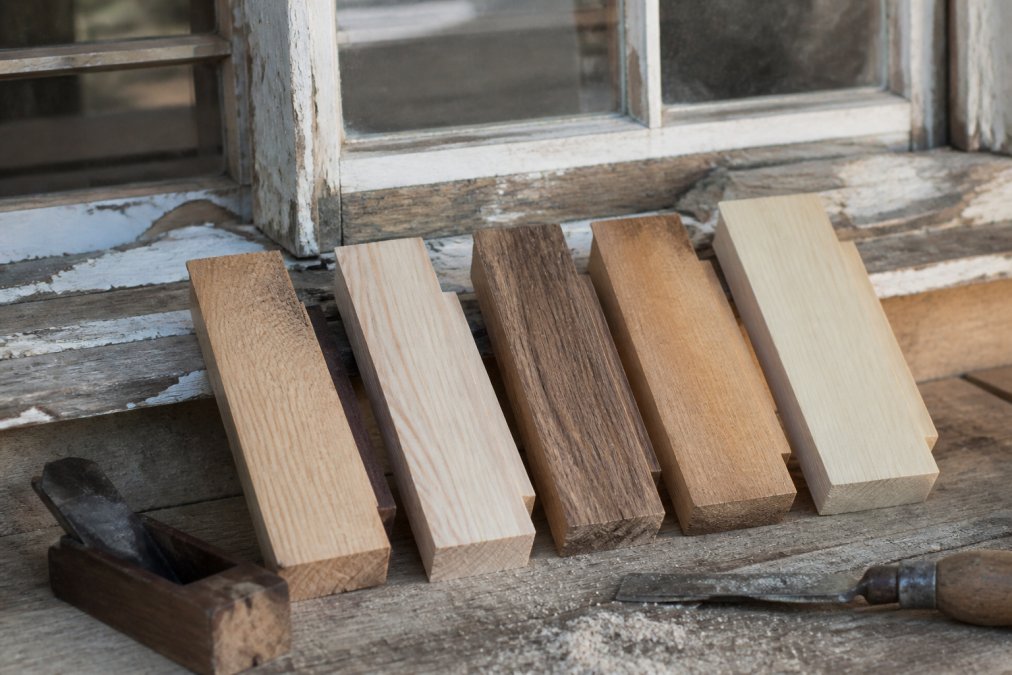
Table of Contents
- Why Timber Selection Matters for Period Window Restoration
- Quick Comparison: 5 Timbers for Period Window Restoration
- European Redwood: The Traditional Choice for Sash Windows
- Accoya: Chemically Modified Timber for Modern Restoration
- European Oak: Hardwood Durability for Heritage Conservation
- Sapele and Douglas Fir: Two Hardwoods Worth Considering
- How to Maintain Restored Timber Windows
- Preventing Rot in Period Window Frames
- Frequently Asked Questions
Last Updated: September 23, 2026
Why Timber Selection Matters for Period Window Restoration
Choosing the wrong timber for period window restoration is the single most common reason restored frames fail within a decade. The wood you pick determines how the window handles moisture, how well paint adheres, and whether the frame keeps its shape through decades of British weather. Get it right and a sash window can outlast the house.
Quick Comparison: 5 Timbers for Period Window Restoration
The five timbers below are the ones we see specified most often for period window restoration, and each suits a different budget, exposure level, and property type.
Comparison Table: Durability, Cost and Best Use
| Timber | Type | Rot Resistance | Movement | Best For |
|---|---|---|---|---|
| European Redwood | Softwood | Moderate | Low when primed | Painted sash windows, budget restorations |
| Accoya | Modified softwood | Very high | Very low | Exposed elevations, long-term performance |
| European Oak | Hardwood | High | Moderate | Heritage conservation, unpainted frames |
| Sapele | Hardwood | High | Low | Stained frames, stable joinery |
| Douglas Fir | Softwood | Moderate to high | Low | Structural sills, straight-grained work |
Cost rises roughly in the order shown, though pricing depends on section size, quantity, and current availability. Contact us for a current quote rather than working from old figures.
European Redwood: The Traditional Choice for Sash Windows
European Redwood is the timber most original sash windows were built from, which makes it the natural default for period window restoration. It planes cleanly, holds a profile well, and takes paint reliably when primed properly.
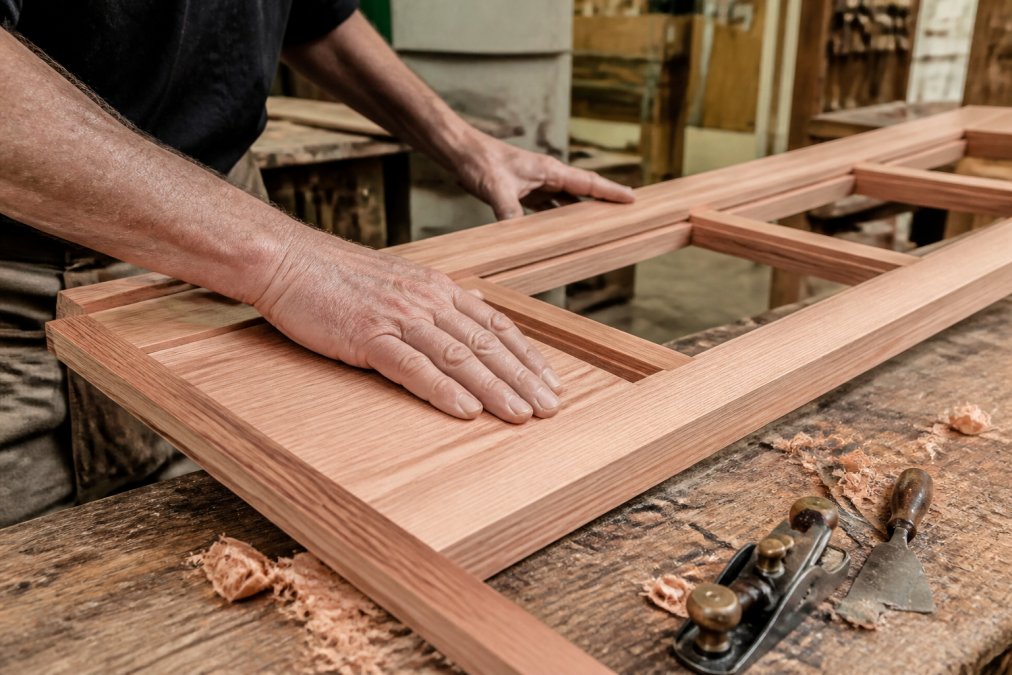
Pros and Cons of European Redwood
Pros:
- Widely available in standard and bespoke profiles
- Easy to work, splice, and match to original mouldings
- Cost-effective for large restoration projects
Cons:
- Only moderate rot resistance without treatment
- Needs consistent maintenance to stay sound
- Lower grade stock can contain knots that weaken sections
Accoya: Chemically Modified Timber for Modern Restoration
Accoya is radiata pine that has been acetylated, reacted with acetic anhydride so that the hydroxyl groups in the wood's cell walls are replaced with acetyl groups. Those hydroxyl groups are what normally attract and bind water. Once they're blocked, the timber can't swell and shrink the way untreated softwood does, and it can't hold the moisture levels that fungal decay needs to establish.
Why it suits period frames specifically
Older properties rarely have a damp-proof course, and solid stone or brick walls buffer and release moisture slowly. A frame that swells and shrinks with that cycle will eventually crack its paint film at the joints, and once water sits in a joint, decay follows. Accoya's very low movement means the paint film stays intact through that cycle, which is why it performs well in exactly the conditions that punish European Redwood.
Coating and treatment compatibility
This is where most guides go quiet, and where specifications go wrong. Accoya needs coating systems designed for modified timber. Standard alkyd paints can struggle to adhere, and some solvent-borne treatments won't penetrate as expected. In practice:
- Use a coating system the manufacturer has tested for acetylated timber, and follow the primer recommendation rather than substituting.
- If the property is finished in a traditional linseed oil paint, check compatibility before specifying, some modern modified-timber primers form a film that traditional finishes won't bond to.
- Avoid mixing treatment regimes across a single frame. If one section is Accoya and another is Redwood, they need different preparation.
Glazing weight and thermal performance
Accoya's stability matters more than ever once you retrofit double glazing into a period sash. Slim double-glazed units are heavier than the original single panes, and the extra weight loads the stiles, rails and sash cords. Because Accoya moves very little, the frame is less likely to distort under that load than a softwood frame would be, but the weight still has to be carried by the joinery and the cords, so the section sizes and cord rating need checking, not assuming.
Pros and Cons of Accoya
Pros:
- Excellent dimensional stability, so frames stay square
- Very high fungal and rot resistance
- Holds paint and profiles exceptionally well
- Performs well against the moisture cycling of older solid walls
Cons:
- Highest material cost of the five
- Requires coating systems designed for modified timber
- Not always appropriate for listed buildings where original species must be matched
- Heavier glazing retrofits still need the frame and cords re-rated
European Oak: Hardwood Durability for Heritage Conservation
European Oak is the go-to hardwood when a conservation officer expects a traditional species. It's dense, strong, and resists decay well, making it a sound choice for heritage conservation work where structural integrity matters most.
Sapele and Douglas Fir: Two Hardwoods Worth Considering
Both timbers fill gaps the first three can't. Sapele suits stained work; Douglas Fir suits structural sections.
Sapele: Stability and Grain Pattern
Sapele is a stable hardwood with an attractive, fine grain pattern that stains well. It's a strong pick for interior joinery and frames that will be finished rather than painted, and its low movement makes it reliable for long spans.
Douglas Fir: Strength and Straight Grain
Douglas Fir is a softwood, but a strong one. It's straight-grained and holds its shape, which makes it useful for sills and structural repair work. Rot resistance is moderate to high, so it benefits from treatment on exposed faces.
How to Maintain Restored Timber Windows
Maintenance is what separates a restoration that lasts from one that doesn't. The routine is simple, but it has to be consistent.
- Check putty and seals every spring and autumn
- Recoat exposed faces every three to five years, or sooner on south-facing elevations
- Keep sills and bottom rails clear of standing water
- Clear drainage channels and check for blockages after storms
- Touch in any bare patches immediately, before moisture gets in
Preventing Rot in Period Window Frames
Rot prevention starts at the design stage, not the maintenance stage. Good detailing, correct moisture content, and the right timber species do more to prevent decay than any treatment applied later.
The mechanism you're fighting
Fungal decay needs three things together: timber above roughly 20% moisture content, oxygen, and a food source. You can't remove the food source, it's the window, and you can't remove the oxygen. So the whole game is keeping moisture content below that threshold. Everything below is a way of doing that.
Detailing that keeps water out
- Slope every sill outward, with a drip groove on the underside so water can't track back to the wall.
- Keep end grain sealed. End grain absorbs water far faster than face grain, and it's where joints fail first.
- Form a proper rebate and drainage path so water that gets past the sash can escape rather than pool.
- Keep the frame clear of the wall by a small gap, and don't bridge it with mortar or sealant that traps moisture.
- Ventilate the reveal where possible. Trapped, still air next to a damp wall is ideal for decay.
Moisture content targets
For restoration work, aim to install timber at a moisture content in equilibrium with its service environment, commonly in the region of 12-15% for internal and sheltered external joinery in heated buildings. Installing wet timber is one of the most common causes of early failure: it shrinks as it dries, the paint film cracks at the joints, and water gets in.
Warning signs to check for
- Soft or spongy timber at the bottom rail or sill
- Paint blistering in a consistent line, which often signals trapped moisture
- Dark staining around joints and end grain
- Movement in the sash when you push against it
- A musty smell in the reveal, which often means damp behind the frame
Splicing and scarfing instead of replacement
Where rot has already taken hold, scarfing or splicing new timber into the affected section is often better than replacing the whole frame, especially on listed buildings. A scarf joint is a angled, interlocking joint that transfers load and gives a large gluing surface; a splice replaces a discrete section of a member. Done well, both are invisible under paint and preserve the original fabric, which is usually what a conservation officer wants.
A few practical points:
- Cut back to sound timber, not to where the rot looks like it stops. Decay spreads further than the visible damage.
- Match the species and grain direction of the original where the joint will be visible or load-bearing.
- Use a durable adhesive suitable for exterior joinery, and prime all cut surfaces before assembly.
- Treat the new section with a preservative compatible with the existing finish, not one that will reject the paint.
Treatment compatibility with heritage finishes
If the property is finished in traditional linseed oil paint, be careful what you apply underneath. Many modern preservatives and primers form a film that linseed oil paint won't bond to, and the finish will fail. Where a heritage finish is being maintained, use treatments and primers specified as compatible with it, and test on an offcut before committing to the whole frame.
Historic England guidance on repairing historic windows
Frequently Asked Questions
What is the most durable wood for external window frames?
European Oak and Accoya are the most durable options for external window frames. Oak's natural density and tannins give it strong rot resistance, while Accoya's acetylation process makes it highly resistant to fungal decay and dimensional movement. For listed building or conservation area projects, both meet heritage requirements and hold paint or stain well. Sapele also performs well in exposed positions. Durability depends as much on correct installation, weatherproofing and maintenance as on species choice.
Is Accoya wood suitable for period window restoration?
Yes. Accoya is a chemically modified timber that offers excellent dimensional stability and fungal resistance, making it a strong choice where original softwood has failed. It machines and profiles like traditional timber, so joiners can match original mouldings and sash profiles. For conservation area and listed building projects, check with your local planning authority first, as some require like-for-like species. Accoya also accepts paint and stain well, supporting long-term maintenance cycles.
How do I choose between softwood and hardwood for window restoration?
Softwoods like European Redwood and Douglas Fir cost less and are easier to work, making them suitable for sheltered elevations and painted finishes. Hardwoods such as European Oak and Sapele offer greater density and rot resistance for exposed positions. Consider the building's heritage status, the window's exposure to weather, and your maintenance budget. For most period properties, matching the original species is the safest route, and a joinery specialist can advise on profile matching and structural integrity.
Do I need to use FSC-certified timber for listed building window repairs?
FSC certification is not a legal requirement for listed building consent, but many local planning authorities and heritage bodies expect sustainably sourced timber as part of a conservation approach. Using certified timber demonstrates responsible sourcing and can strengthen a planning application. For listed buildings, consent is needed before any alterations, and the local authority will assess materials, profile matching and methods. Always confirm requirements with your conservation officer before ordering timber.
Share:
Intumescent Fire and Smoke Seals: Complete UK Guide 2026
Sliding Barn Door Hardware: UK Buying Guide 2026