
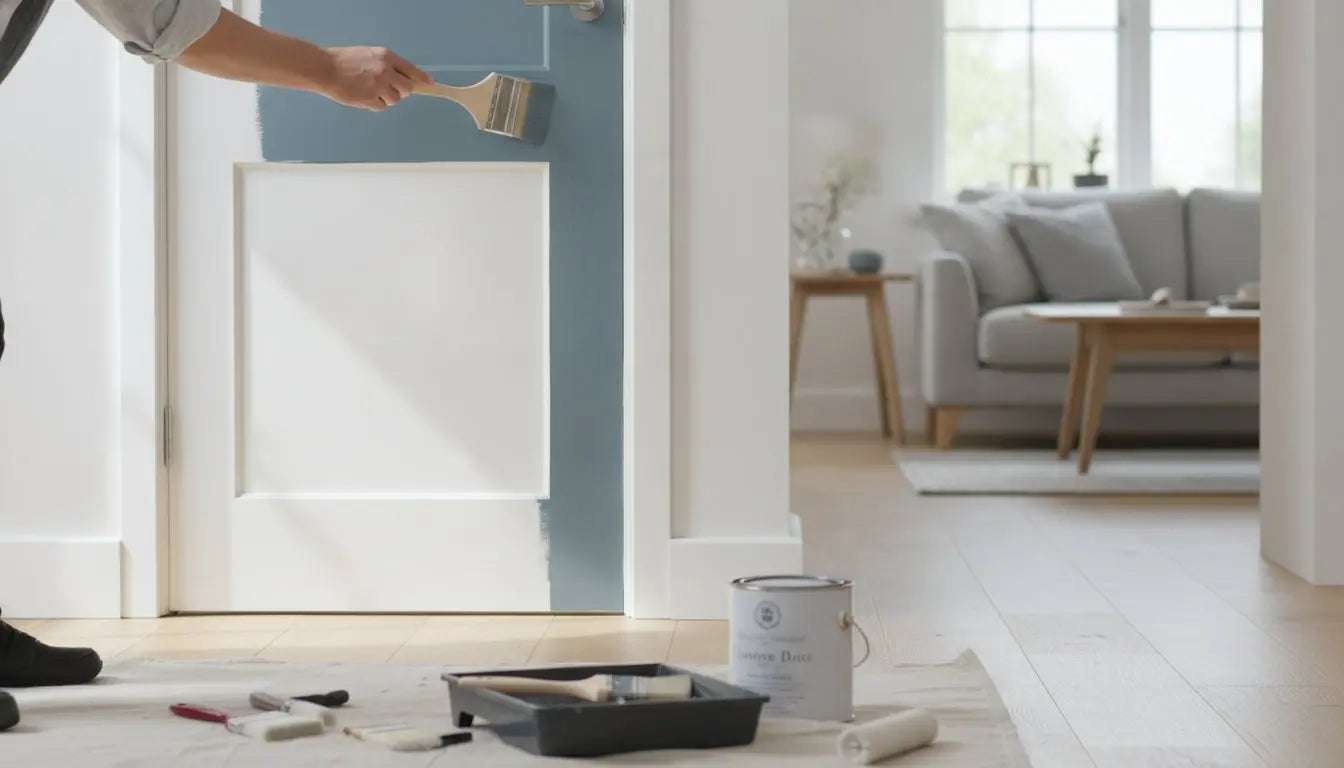
Many homeowners assume that choosing white primed doors is a compromise on quality, but for the discerning decorator, they are actually the ultimate blank canvas for a high-end, bespoke interior. You likely want the crisp, clean aesthetic that bright timber provides, yet you might be worried about a "cheap" finish or whether the door core is stable enough to withstand years of use. It's perfectly natural to feel hesitant about the technical differences between primed and pre-finished options, or to worry about trimming limits during installation.
We understand that your home is a reflection of your personal style, and you deserve joinery that feels as solid as it looks. This guide will help you navigate the selection process with confidence, ensuring you achieve a professional finish that won't warp or peel. We'll explore everything from the structural integrity of modern solid cores to the latest EN 1634-1 fire safety standards. By the end, you'll know exactly how to transform a standard door into a durable, elegant feature that brightens your living space and adds genuine value to your property.
Key Takeaways
- Learn how white primed doors serve as a professional, high-quality foundation for achieving a bespoke colour finish that perfectly complements your home’s unique aesthetic.
- Understand the structural differences between hollow and solid cores to ensure your new joinery provides the weight, durability, and sound insulation you require.
- Master the essential preparation steps, including sanding techniques and paint selection, to avoid a poor finish and ensure a long-lasting, premium result.
- Explore how to select the right style for your property, whether you prefer the timeless lines of a Shaker panel or the textured charm of a Mexicano door.
- Discover how to navigate the latest fire safety regulations and why expert curation is essential for maintaining both style and security in your living space.
What are White Primed Doors and Why are They So Popular?
White primed doors are essentially internal doors that have undergone a rigorous factory preparation process. Instead of arriving as raw timber, they come with a smooth, uniform base coat already applied. This layer serves a vital functional role; the purpose of primer is to seal the underlying material, improve paint adhesion, and ensure that your final topcoat appears vibrant and consistent. They represent an exceptional, versatile alternative to internal oak doors, particularly when your design vision calls for a specific colour palette that natural wood grains might otherwise disrupt.
Interior designers often refer to these doors as a 'blank canvas'. This is because they allow for complete creative freedom without the labour-intensive task of sanding and priming raw wood from scratch. Choosing this route offers several advantages for your renovation:
- Colour Matching: Perfectly align your doors with specific skirting or wall shades.
- Sheen Control: Choose between matt, eggshell, or gloss finishes based on your room's light.
- Cost Efficiency: Achieve a high-end look at a more accessible price point than solid hardwood.
While solid hardwood doors carry a certain prestige, these options provide the weight and stability of quality joinery whilst remaining budget-friendly for whole-house projects. They adapt effortlessly to almost any architectural style, from traditional Victorian terraces to minimalist modern apartments.
The Difference Between Primed and Pre-Finished Doors
Primed doors require a final topcoat of paint after installation, which grants you total control over the final sheen and shade. Conversely, pre-finished doors are fully coated at the factory and arrive ready to hang. If you have a specific designer paint shade in mind to match your interior theme, white primed doors are the superior choice. Pre-finished options offer speed and convenience but restrict you to standard factory whites. Your decision should rest on your DIY confidence and project timeline; if you enjoy the process of customising your space, the bespoke result of a primed door is incomparable.
How White Doors Brighten Your Interior
A bright home feels inherently more spacious. White surfaces excel at reflecting both natural and artificial light, bouncing it into darker corners and making narrow hallways feel less restrictive. This "clean" aesthetic does more than just improve visibility; it has a tangible psychological impact, fostering a sense of calm and organisation within the living environment. These doors act as a neutral anchor, allowing bold furniture or vibrant wall colours to take centre stage without competition. By maximising the light-reflecting properties of your joinery, you can enhance the overall atmosphere of even the most compact rooms.
Understanding Quality: Cores, Coatings, and Primer Plus
When you look at a row of white doors, they might appear identical on the surface. However, the true measure of quality lies beneath that crisp factory coating. Choosing the right internal construction is the difference between a door that feels substantial and one that rattles every time a window is opened. For those seeking a premium feel, white primed doors with a solid core are the industry standard for durability and sound insulation.
Hollow core doors are often the go-to for budget-conscious projects, utilising a honeycomb cardboard centre. Whilst they are cost-effective, they offer very little in the way of thermal or acoustic privacy. In contrast, a solid core door uses a dense engineered timber or flaxboard centre. This construction provides several key advantages:
- Acoustic Insulation: Substantially reduces noise transfer between bedrooms and living areas.
- Thermal Efficiency: Helps retain heat within individual rooms, aiding energy conservation.
- Impact Resistance: A denser core is far less prone to punctures or dents from daily household activity.
If you are unsure which weight suits your home, it's often helpful to compare them against laminate internal doors or oak alternatives to feel the difference in hand.
Factory-applied priming is another area where quality varies significantly. Professional manufacturers use a controlled environment to apply the base coat, ensuring a level of adhesion that is almost impossible to replicate with a brush in a dusty garage. This process prevents the paint from peeling or flaking over time. High-quality doors also provide more generous trimming allowances. Cheaper alternatives often have very thin timber stiles around the edges; this means you can only trim a few millimetres before compromising the door's structure. A premium door typically allows for more significant adjustment, which is essential for the slightly uneven frames found in many British homes.
The "Primer Plus" Advantage
You may encounter the term "Primer Plus" or "Deluxe Primed" during your search. This refers to a higher-grade, multi-coat factory finish that is exceptionally smooth. The primary benefit here is the reduction of "furring," where wood fibres stand up after being wetted by paint. Because the surface is already so refined, you'll often find that only a single topcoat is required to achieve a professional, bespoke look. It's a savvy investment that saves both time on sanding and money on expensive designer paints.
Material Stability: MDF vs. Timber Cores
Modern homes in the UK often fluctuate in temperature due to central heating, which can cause natural timber to warp or bow. To combat this, quality doors use engineered timber cores that are far more stable than solid planks. These are often faced with a high-density MDF skin. Why MDF? It provides a perfectly flat, grain-free surface that is ideal for painting. When you combine an engineered core with an MDF face, you get a door that stays straight and looks flawless for decades. You can easily identify these superior products by checking the weight and the precision of the edge finishing at our showroom.
Popular Styles: From Shaker to Glazed White Doors
Selecting the right aesthetic for your home involves more than just picking a colour. The silhouette of your door defines the character of a room. White primed doors are available in an extensive array of designs, ensuring that whether you live in a rustic farmhouse or a city-centre apartment, there is a profile to match your vision. Our curated collection focuses on styles that offer longevity in both durability and design, acting as a structural anchor for your interior theme.
The Shaker style remains perhaps the most enduring choice in British homes. Characterised by clean lines and recessed panels, these doors provide a minimalist yet sophisticated backdrop that never feels dated. For properties requiring more texture, the Cottage or Mexicano styles are ideal. These designs utilise vertical grooves to add height and interest, making them a favourite for traditional homes or barn conversions where a sense of craftsmanship is paramount. The vertical lines draw the eye upwards, creating an illusion of higher ceilings in more compact spaces.
If you admire the contemporary industrial trend, you can achieve a striking look without the weight of steel. By pairing a modern white door with slim profiles and dark ironmongery, you can subtly mimic the high-contrast appeal of black framed internal glass doors. This approach offers a lighter, more airy version of the urban aesthetic whilst maintaining a sharp, professional edge that works beautifully in open-plan living areas.
Glazed White Primed Doors
Natural light is a precious commodity. Glazed options allow light to flow between rooms without sacrificing heat or sound insulation. We recommend pre-glazed units because the glass is factory-fitted, ensuring it is clean, secure, and meets all safety requirements. You might choose clear glass for communal areas like kitchens and lounges to maintain a sense of openness. For bathrooms or bedrooms, frosted glass provides necessary privacy whilst still sharing the glow from adjacent windows. All our glazed white primed doors utilise toughened safety glass as standard, complying with essential UK building regulations for peace of mind.
Pairing Hardware with White Doors
The ironmongery you choose acts as the jewellery for your joinery. It's the final detail that ties the room together. Black handles are currently very popular for creating a high-contrast appearance against a bright white surface. If you prefer a more subtle, contemporary finish, brushed chrome or satin nickel offers a sleek look that resists fingerprints. For those restoring period properties, traditional brass or antique bronze hardware provides a classic heritage feel that respects the building's history. Whatever your preference, the versatility of a primed surface makes it easy to update your handles if your style evolves in the future.

How to Paint and Finish White Primed Doors Properly
Achieving a professional, bespoke finish on white primed doors requires more than just a quick lick of paint. While the factory coating provides an excellent foundation, the final result depends on your attention to detail during the finishing stage. Think of the primer as the groundwork; your topcoat is what delivers the character and durability required for a busy home. Don't rush the process if you want a result that looks like it was finished in a professional joinery workshop.
Preparation is your first priority. Even the smoothest factory primer can benefit from a very light sand with fine 240-grit sandpaper. This creates a "key" on the surface, allowing your chosen paint to bond securely rather than just sitting on top. Once sanded, ensure every trace of dust is removed with a tack cloth. For the application itself, we recommend a "two-tool" approach. Use a high-density mini-foam roller for the large, flat sections to ensure a uniform texture, and a brush for the intricate mouldings or panel edges. This combination minimises brush marks and speeds up the process significantly.
Patience is your best tool when it comes to drying. Modern paints may feel dry to the touch within an hour, but they take longer to truly harden. Applying a second coat too soon can tear the first layer, leading to an uneven, "orange peel" texture. Allow the door to dry flat if possible, as this prevents runs and ensures the paint settles perfectly into the grooves of the design.
Top Paint Recommendations for 2026
Modern water-based "quick dry" paints have become the preferred choice for white doors because they don't yellow over time, unlike traditional oil-based alternatives. We are seeing a significant rise in the popularity of "Satinwood" finishes, which offer a sophisticated, low-sheen look that is more durable than eggshell but less reflective than gloss. Always use a high-quality synthetic brush for a streak-free finish to ensure the paint flows evenly across the surface without leaving unsightly ridges.
Trimming and Hanging Guidance
Most high-quality white primed doors allow for a trimming margin of 6mm to 10mm per side, which is usually sufficient for standard UK door frames. If you have to trim the door to fit an uneven opening, you must reseal any exposed timber immediately. Failing to paint the top and bottom edges is a common error that allows moisture to enter the core, eventually leading to warping or swelling. For a detailed walkthrough of the installation process, consult our guide on internal doors and door frames.
If you're ready to upgrade your interior with joinery that stands the test of time, view our curated selection of white primed doors today.
Why Source Your Primed Doors from Arborfield Joinery?
Choosing the right joinery is a significant investment in the future of your home. At Arborfield Joinery, we have been supplying quality timber products to homeowners and tradespeople across the UK since 1953. This longevity is built on a foundation of reliability and an uncompromising eye for detail. When you select your white primed doors from us, you aren't just buying a product; you are benefiting from over seven decades of industry expertise and a commitment to craftsmanship that spans generations.
While digital images provide a useful starting point, nothing replaces the tactile experience of a physical showroom. Our Berkshire location features over 120 doors on display, allowing you to see the subtle differences in texture and finish first-hand. It is the perfect environment to compare the paint-ready surface of a primed door against the resilience of laminate internal doors. We take pride in our role as a quality curator, only stocking brands like Deanta and XL Joinery that meet our strict standards for core stability and aesthetic appeal.
Our logistics network ensures that your order arrives safely and on time, with national shipping available across mainland UK. We offer reliable delivery direct to your project site, with free shipping on orders over £900. Whether you are looking for a single replacement or a full-house renovation, we provide a steady hand to guide you through the process.
Personalised Service from a Family-Run Business
We understand that a door is one part of a larger architectural puzzle. Our team acts as knowledgeable consultants, offering expert advice on how to match your new joinery with existing features like stairs or skirting. From the initial measurement stage to the final selection of ironmongery, we provide a level of personal service that only a family-run enterprise can offer. We also remain deeply committed to sustainability, ensuring our high-grade timber is sourced responsibly to protect the environment for future builders.
Ready to Transform Your Home?
Browse our extensive online collection of white primed designs from the comfort of your home, or visit our showroom to feel the weight and quality of our products for yourself. Our experts are on hand to answer any technical questions regarding trimming, fire ratings, or finishing techniques. We believe in building long-term relationships through exceptional service and superior products.
Explore our full range of White Primed Doors today
Elevate Your Interior with Professional Joinery
Choosing the right internal doors is a decision that impacts the light, warmth, and quietude of your home for years to come. By opting for high-quality white primed doors, you've selected a versatile foundation that allows for total creative control over your aesthetic. Remember that the secret to a professional result lies in the technical details; prioritising a solid core for acoustic privacy and taking the time to apply a high-quality topcoat will ensure your joinery looks as substantial as it feels.
Since 1953, our family-run business has helped homeowners navigate these choices with confidence. We combine decades of expert joinery knowledge with a curated range of styles to ensure your vision becomes a reality. Whether you're renovating a single room or an entire property, we are here to support your project with reliable advice and free mainland UK shipping on all orders over £900.
Browse Our Premium Range of White Primed Doors
We look forward to helping you create a brighter, more elegant living space that you'll enjoy for decades.
Frequently Asked Questions
Do white primed doors need to be painted?
Yes, white primed doors must be painted with a final topcoat to ensure long-term durability. The factory-applied primer is a base layer designed to provide a "key" for paint; it is not a final finish. Without a topcoat, the porous primer will absorb moisture and oils from handling, which can lead to staining and eventually compromise the door's structural integrity.
Can you hang a white primed door without painting it?
You can hang a primed door before painting, but it is not recommended to leave it in this state for more than a few days. Leaving the door unfinished exposes the internal materials to humidity and temperature fluctuations, which can cause the timber to swell or warp. For the most professional result, apply your chosen topcoat immediately after hanging to seal the joinery properly.
What is the best paint for white primed internal doors?
Water-based satinwood or eggshell paints are the best options for achieving a modern, durable finish. These modern formulas are preferred because they are "non-yellowing," whereas traditional oil-based paints often take on a creamy tint over time. Using a high-quality water-based paint ensures your doors remain a crisp, bright white that complements the clean aesthetic of your home's interior.
How many coats of paint do I need on a primed door?
Most standard primed doors require two topcoats to achieve a deep, uniform colour and adequate protection. If you have selected a door with a "Primer Plus" finish, the surface is typically refined enough that a single high-quality coat may suffice. Always allow the first coat to dry completely before applying the second to avoid an uneven, "orange peel" texture on the surface.
Are white primed doors better than oak doors?
Neither is inherently better; the choice depends on your design goals and budget. Whilst oak doors offer a beautiful natural grain for a traditional feel, white primed doors are the superior choice for custom colour matching and contemporary styles. They are also generally more cost-effective for whole-house renovations, providing the same solid-core stability as oak but at a more accessible price point.
How much can I trim off a white primed door?
You can typically trim between 6mm and 10mm from each edge, depending on the specific manufacturer's guidelines. It is vital to stay within these limits to avoid cutting into the door's internal stiles, which would compromise its structural strength. If you do trim any edge, you must reseal it immediately with paint to prevent moisture ingress and potential warping of the core.
Are white primed doors moisture resistant for bathrooms?
Yes, they are suitable for bathrooms provided that all six sides of the door are fully sealed with a suitable topcoat. This includes the top and bottom edges, which are often missed during the painting process. Once properly painted, the door is protected against the humid conditions of a bathroom, though you should always ensure the room is well-ventilated to protect your joinery.
What is the difference between "Primed" and "Primer Plus"?
The difference lies in the quality and number of base coats applied at the factory. A standard primed door has a basic base layer that requires light sanding and two topcoats. In contrast, "Primer Plus" refers to a deluxe, multi-coat finish that is exceptionally smooth. This higher-grade preparation saves significant time on site and often requires less paint to achieve a flawless, bespoke result.
Share:
The Ultimate Buying Guide to External Oak Doors: Style, Security, and Longevity
The Essential Guide to Deanta Internal Oak Doors in the UK: Quality, Styles, and Selection