
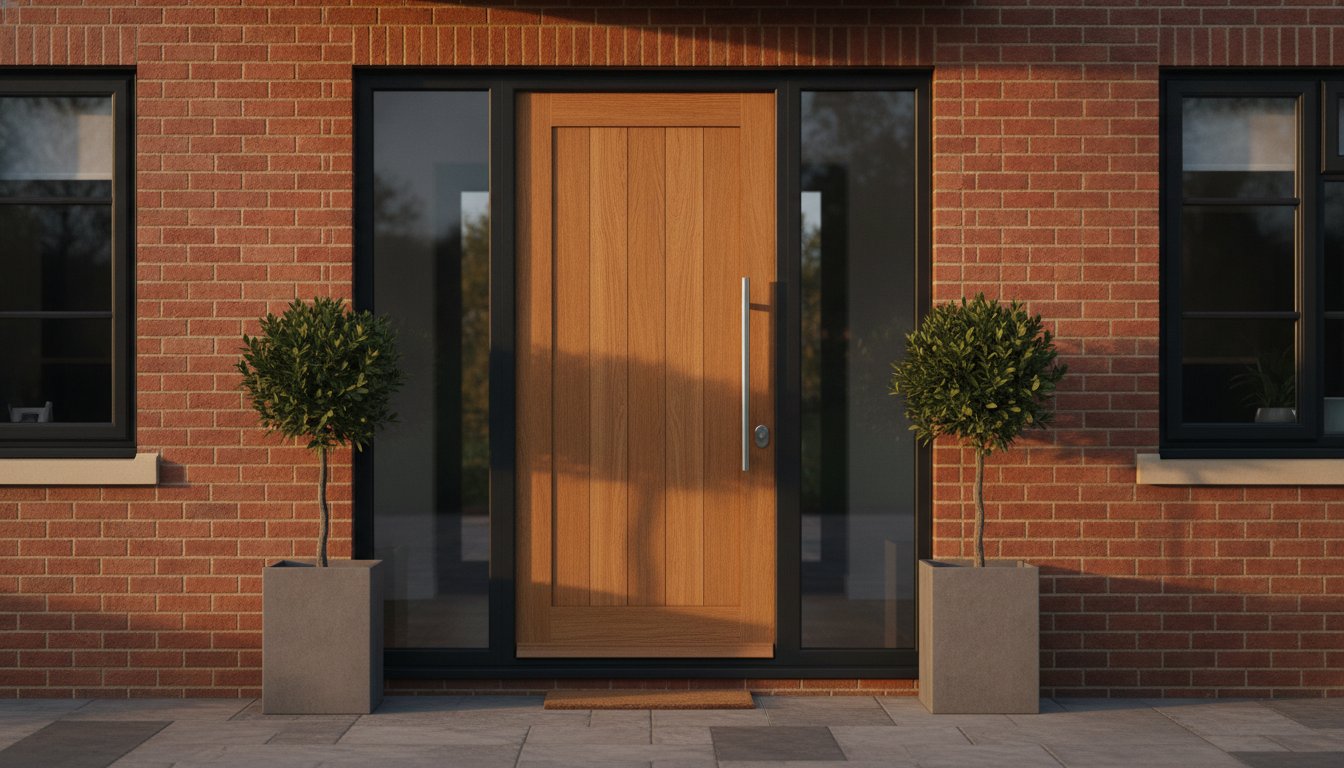
What if the door you've been dismissing as "high maintenance" is actually the most resilient, thermally efficient, and security-conscious choice you could make for your home? It's a question worth sitting with, particularly when so many homeowners default to composite alternatives out of habit rather than genuine comparison.
You're not alone if you've found yourself hesitating over external oak doors. The concerns are understandable: will the timber warp through a British winter? How much upkeep is actually involved? And can a wooden door truly hold its own against modern security standards? These are fair questions, and they deserve honest, straightforward answers rather than vague reassurances.
This guide draws on decades of expertise in the UK timber market to walk you through everything you need to know before investing. From understanding how properly engineered oak performs in wet weather, to identifying the styles that complement different property types, to the maintenance routines that genuinely work, you'll leave with the clarity and confidence to choose a front door that enhances your home's kerb appeal, keeps energy bills in check, and stands the test of time.
Key Takeaways
- Engineered oak construction is often more dimensionally stable than solid timber, making it a smarter choice for the unpredictable British climate — and understanding this distinction could save you from a costly mistake.
- Choosing the right external oak doors starts with matching the door's style and proportions to your property's era, whether you're working with a period cottage or a modern-traditional home.
- The finish you apply — or choose pre-applied — has a greater impact on long-term performance than almost any other decision, with microporous coatings and specialist oils offering very different results.
- Accurate measurements and a clear understanding of your frame opening are essential before ordering; getting these wrong is one of the most common and avoidable purchasing errors.
- With over 120 doors on display and a heritage stretching back to 1953, Arborfield Joinery offers a showroom experience that lets you assess quality, grain, and finish in person before committing.
Why External Oak Doors Remain the Premier Choice for UK Homes
Few architectural features make a statement quite like a well-crafted oak front door. Solid, characterful, and unmistakably premium, external oak doors occupy a unique position in the UK market: they're simultaneously a practical investment and a genuine expression of taste. Where composite alternatives imitate the look of timber, oak simply is the benchmark everything else is measured against.
The durability of oak isn't a matter of marketing. White oak, in particular, contains tyloses — a cellular structure that effectively blocks its pores, creating a natural resistance to moisture ingress and fungal decay. This is one of the properties of oak wood that has made it the material of choice for everything from naval shipbuilding to cathedral doors across centuries of British construction. When you're choosing an external door that faces the full force of a Welsh winter or a coastal Essex gale, that biological resilience matters enormously.
From a property value perspective, the impact is tangible. Estate agents consistently identify front door quality as one of the first things prospective buyers notice, and a well-maintained oak door signals craftsmanship and care in a way that few other exterior features can. In the UK market, where period character and material authenticity command a genuine premium, this isn't a trivial consideration.
While oak is the premier choice for a main residence's entrance, those planning larger-scale property developments—such as agricultural outbuildings or commercial spaces—often look to the structural durability of pre-engineered systems from Bradberry Steel to complement their renovation goals.
There's also the environmental dimension. Responsibly sourced timber is one of the few genuinely carbon-sequestering building materials available. Unlike uPVC, which is derived from petrochemicals and difficult to recycle, oak stores the carbon it absorbed during growth. Choosing timber isn't just an aesthetic decision; it's a considered one.
Thermal Efficiency and the British Climate
Timber is a natural insulator. Its cellular structure traps air in a way that aluminium and steel simply cannot replicate, and it significantly outperforms uPVC in terms of thermal mass. External joinery is subject to building regulation standards around U-values, which measure how readily heat passes through a material; the lower the figure, the better the insulation. Modern oak doors, when paired with quality weather seals and appropriate thresholds, can comfortably meet current regulatory requirements. If you're uncertain whether a specific door meets the U-value standards applicable to your project, it's worth confirming this directly with your supplier before ordering.
The Aesthetic Versatility of Oak Woodgrain
No two oak doors are identical. The grain patterns, figuring, and natural colour variation mean every door is, in the truest sense, a bespoke piece. Oak reads beautifully against Cotswold limestone, red London brick, and painted render alike, which is why it remains the timber of choice across such a broad range of British property styles. And unlike composite materials, oak can be re-stained, oiled, or painted as your tastes evolve, giving you genuine flexibility over the lifetime of the door.
Solid Oak vs. Engineered Oak: Understanding Construction
There's a persistent assumption in the timber door market that "solid" automatically means superior. It's an understandable instinct, but when it comes to external oak doors, it's one worth examining carefully. The reality is more nuanced, and getting this distinction right could be the most consequential decision you make during the buying process.
Solid oak doors are milled from a single species throughout, with no laminated core or composite substrate. That sounds reassuring. The problem is that solid timber is inherently hygroscopic: it absorbs and releases moisture in response to changes in ambient humidity and temperature. In a British climate, where conditions shift dramatically between a dry July and a wet November, that movement is constant. A door that fits perfectly in summer may bind in its frame by February. This isn't a defect; it's simply the nature of unmodified solid timber in an external environment.
Engineered oak construction addresses this directly. At its core, an engineered door uses a laminated timber substrate, typically constructed from cross-bonded layers of timber arranged so the grain runs in opposing directions. An oak veneer is then applied to the face. Engineered oak is a high-performance solution for modern homes, specifically designed to resist the dimensional instability that affects solid timber under fluctuating conditions. The oak wood properties and durability data published by Forest Research, the UK government's forestry authority, confirms that oak's natural density and cellular structure make it well-suited to external applications, and engineered construction builds on those inherent strengths rather than working against them.
The Battle Against Warping and Twisting
Moisture ingress doesn't just affect the surface of a door; it penetrates through end grain, around glazing rebates, and via any breach in the finish. In a solid door, this moisture is absorbed unevenly, causing the timber to expand and contract at different rates across its cross-section. The result, over time, is warping, twisting, or cupping. Engineered construction counters this through multi-directional grain: because each laminated layer resists movement in a different plane, the forces effectively cancel each other out. The structural integrity is maintained even when conditions are at their most challenging. For a deeper comparison of how this principle applies across different door types, the guide to solid oak vs. oak veneer doors is worth reading alongside this section.
Veneer Thickness: What to Look For
Not all veneered doors are equal. The veneer thickness is a critical quality indicator, and it's one that budget-grade imports frequently compromise on. A veneer of 3mm or above is generally considered the minimum for external applications; anything thinner risks delaminating under prolonged UV exposure and moisture cycling. Critically, a substantial veneer also allows for light sanding and refinishing over the door's lifetime, restoring the surface without breaking through to the substrate. Paper-thin veneers, sometimes as shallow as 0.6mm on lower-cost products, offer no such margin. Once the surface degrades, the door is effectively beyond economical repair.
If you're weighing up construction options and want to see the difference in person before committing, visiting Arborfield Joinery's showroom lets you assess veneer quality and core construction across a broad range of doors side by side.
Selecting the Right Style: From Cottage to Contemporary
Choosing between different external oak doors is a balancing act between architectural respect and personal expression. A door is more than an entrance; it's a visual anchor for your property's facade. Whether you're restoring a period cottage or finishing a contemporary extension, the door style you select should feel like a natural extension of the building's era. Getting this right doesn't just improve your daily experience of the home; it protects the property's long-term market appeal.
Certain designs have achieved a "modern-traditional" hybrid status in the UK. The "Suffolk" and "Mexicano" styles are prime examples. The Suffolk door, defined by its vertical tongue-and-groove panels, captures the essence of traditional joinery whilst fitting perfectly into suburban renovations. The Mexicano offers a sharper, more minimalist interpretation of this look, making it a popular choice for those who appreciate the texture of oak but prefer clean, horizontal lines. These styles are versatile enough to work amongst a variety of brickwork types and exterior finishes.
For rear entrances or properties where airflow is a priority, stable doors remain a practical favourite. They offer a unique versatility, allowing you to open the top leaf for light and ventilation while the bottom leaf remains securely closed. This is particularly useful for homes with pets or young children, blending traditional charm with everyday utility. It's a design that feels right at home in a rural setting but is increasingly being adopted for side entrances in urban properties.
When optimising these outdoor-facing areas for comfort and utility, incorporating bespoke sun protection from Sail Shades Direct can ensure your patio or garden remains a usable extension of the home throughout the warmer months.
Traditional Favourites: The Suffolk and Panelled Designs
The 1930s-style door, often featuring a large upper glazed panel and three vertical lower panels, remains one of the most recognisable features of British suburban architecture. Panelled designs offer more than just historical accuracy; they provide a physical and psychological sense of sturdiness. Each panel adds to the door's structural depth, creating shadows and highlights that flat surfaces lack. For a deeper dive into how these styles perform across different environments, reading The Ultimate Guide to External Oak Doors will help you align your aesthetic preferences with technical requirements.
Glazing Options: Security and Privacy
Glazing can transform a cramped, dark hallway into an inviting space. However, the choice of glass involves more than just aesthetics. Clear glass is ideal for secluded properties, but street-facing homes often require frosted or decorative glass to maintain privacy. Double-glazing is standard for external use, providing essential thermal insulation. Toughened safety glass is equally critical; it ensures that if an accident occurs, the glass shatters into small, blunt fragments rather than dangerous shards. Balancing these factors allows you to enjoy natural light without compromising your home's security or your family's privacy.

Finishing and Maintenance: Protecting Your Investment
Finishing is the single most important factor in determining how long your door will last. Whilst the natural durability of oak is impressive, it isn't an excuse to skip proper protection. In the UK, where horizontal rain and fluctuating humidity are standard, an unsealed door is a liability. You must choose a finish that moves with the timber rather than fighting against it.
Standard interior varnishes are a common mistake. They create a hard, brittle film that looks great initially but eventually cracks as the timber naturally expands and contracts. Once that film breaks, moisture gets trapped underneath, leading to grey staining and rot that is incredibly difficult to fix. Instead, look for high-performance microporous paints or specialist oils. These allow the wood to "breathe," letting internal moisture escape whilst blocking external water from entering the grain.
A simple maintenance schedule is your best defence. Twice a year, ideally in spring and autumn, give the door a thorough inspection. Clean the surface with a damp cloth and check for any signs of wear, particularly around the bottom edge and glazing beads. If water no longer beads on the surface when it rains, it's time for a maintenance coat. This proactive approach takes less than an hour but can add decades to the life of the product.
The Case for Pre-Finished Oak Doors
Choosing a pre-finished option is often the wisest route for those who want a "fit and forget" solution. Factory-applied coatings are sprayed in controlled, dust-free environments, ensuring a level of consistency that's nearly impossible to achieve with a brush at home. Crucially, these doors are treated before the glass and hardware are installed. This ensures that the timber behind the hinges and glazing beads is fully protected, leaving no weak spots for moisture to exploit. It's a professional finish that saves you days of labour and provides peace of mind from day one.
Treating Unfinished Oak: A Step-by-Step
If you prefer to customise the look with a specific stain, unfinished external oak doors offer a blank canvas. However, the application must be meticulous. You must seal all six sides of the door. The top and bottom edges are often neglected because they aren't visible, but they act like a straw, drawing moisture up into the core of the door. Use a high-quality external oil or a solvent-based stain designed for the UK climate. Apply at least two coats, allowing for the correct drying time between each, and ensure the weather is dry and mild during application for the best results.
Before you start your project, you can browse our collection of external oak doors to see which styles are available in both pre-finished and unfinished options.
How to Purchase Your External Oak Door from Arborfield Joinery
Buying a high-quality external oak door is a significant home improvement, and the final steps of the journey require just as much precision as the initial selection. At Arborfield Joinery, we've been guiding homeowners through this process since 1953. Our 70-year heritage isn't just a number; it represents seven decades of seeing how timber behaves in the British climate and refining our collection to offer only the most reliable products. We act as a steady hand for our customers, ensuring that the door you choose today remains a source of pride for decades to come.
Whilst many homeowners start their research online, there's no substitute for seeing the grain and feeling the weight of a door in person. Our Berkshire showroom features over 120 displays, allowing you to inspect the quality of our external oak doors amongst a wide variety of contemporary and traditional styles. This physical inspection often provides the clarity needed to choose between a pre-finished or unfinished product, or to decide which glazing style truly suits your home's character.
Measuring Your Door and Frame Kit
Precision is vital when preparing for your new installation. We always recommend measuring your door opening at three different points for both height and width. Buildings naturally settle over time, and an opening is rarely perfectly square. By taking measurements at the top, middle, and bottom, you ensure that the door leaf or doorset you order will fit comfortably without excessive planing or unsightly gaps. If your measurements vary significantly, it's a sign that your frame may need specific attention before the new door is hung.
It's also worth considering the relationship between the door and its surround. Choosing a matching external door frame is vital for ensuring long-term weatherproofing and thermal performance. Whilst you can purchase a door leaf on its own, a complete doorset often provides a superior result. In a doorset, the door is already hung in its frame with all weather-seals and ironwork accounted for, creating a more airtight and secure entrance than piecing components together on-site.
Expert Support and Nationwide Delivery
Our team acts as a knowledgeable consultant to ensure you get the right product for your specific needs. Whether you're unsure about current U-value standards or need advice on the best maintenance oils for your location, we're here to help. Although our roots and showroom are in Berkshire, we provide nationwide delivery across the UK. We've streamlined our logistics to ensure your order arrives in peak condition, and we offer free mainland UK shipping on all orders over £900. Browse our full range of External Oak Doors and secure yours today to begin the transformation of your home's entrance.
Secure Your Home’s Heritage
Choosing the right entrance is a defining moment for any property. By balancing engineered stability with a style that respects your home’s era, you create a gateway that is both secure and welcoming. A well-maintained door doesn't just improve kerb appeal; it provides a lasting sense of arrival for everyone who crosses the threshold. It's an investment that pays dividends in thermal performance and property value alike.
We've been family-run joinery experts since 1953, and we bring that wealth of experience to every customer interaction. You can see the craftsmanship for yourself amongst the 120-door display in our showroom, or enjoy the convenience of free UK mainland delivery on orders over £900. Our team is ready to help you find the external oak doors that best fit your project's specific needs.
Explore the Arborfield External Oak Door Collection and invest in quality that stands the test of time.
Frequently Asked Questions
Do external oak doors require a lot of maintenance?
External oak doors don't require an overwhelming amount of upkeep, provided they're finished with high-quality microporous coatings. You should perform a quick inspection twice a year to check for any breaches in the seal. If water still beads on the surface, the protection is intact. Typically, a light maintenance coat is only needed every two to five years, depending on how exposed your entrance is to the elements.
Are oak front doors secure enough for a modern home?
Oak front doors are exceptionally secure due to the high density and natural strength of the timber. When fitted with modern multi-point locking systems and toughened double-glazing, they offer a formidable barrier against forced entry. Their physical weight and structural integrity often surpass that of standard composite alternatives, making them a reliable choice for homeowners who prioritise security alongside traditional aesthetics.
What is the difference between a pre-finished and an unfinished oak door?
The primary difference lies in the application of the protective coating. A pre-finished door arrives factory-coated in a controlled environment, ensuring all edges and rebates are sealed before hardware is attached. An unfinished door is supplied as bare timber, giving you the freedom to choose your own stain or paint. Whilst unfinished doors offer more customisation, they require immediate and thorough treatment on all six sides before installation.
Can I trim an external oak door to fit my existing frame?
You can trim an external oak door, but you must stay within the specific trimming allowance set by the manufacturer. This is usually around 6mm to 10mm from each edge. Exceeding these limits can compromise the door's structural integrity or expose the internal core of an engineered door. If your frame is significantly out of square, it's often safer to replace the frame rather than over-trimming the door leaf itself.
How long should a high-quality external oak door last?
A high-quality oak door can easily last 30 to 60 years, and often much longer with consistent maintenance. The longevity depends heavily on the quality of the initial finish and the level of exposure to wind and rain. Because oak is a durable hardwood, it doesn't degrade as quickly as softer timbers, making it a true lifetime investment for your property that continues to add value as it ages.
Why is my oak door swelling or sticking in the winter?
Swelling occurs when the timber absorbs moisture from the damp winter air, causing the wood fibres to expand. This usually indicates that the protective seal has worn thin or wasn't applied to the top and bottom edges of the door. Ensuring your external oak doors are fully sealed with a microporous finish will prevent this seasonal movement and keep the door operating smoothly throughout the changing British seasons.
Is solid oak better than engineered oak for an external door?
Engineered oak is generally considered superior for external use because its multi-directional core resists warping and twisting better than solid timber. Whilst solid oak is prized for its material authenticity, it's far more prone to movement as humidity levels fluctuate. Engineered construction provides the same beautiful appearance with significantly improved dimensional stability, making it the more practical choice for the unpredictable British climate.
Do I need a special frame for a heavy oak door?
You need a sturdy, high-quality timber frame to support the significant weight of an oak door. Using a lightweight or inferior frame can lead to sagging, which prevents the door from closing properly and compromises your home's security. We recommend using a matching oak or hardwood frame with at least three robust hinges to ensure the weight is distributed evenly and the installation remains stable for the long term.
Share:
Laminate Internal Doors: The Definitive Homeowner’s Reference Guide for 2026
Laminate Internal Doors: The Definitive Homeowner’s Reference Guide for 2026