
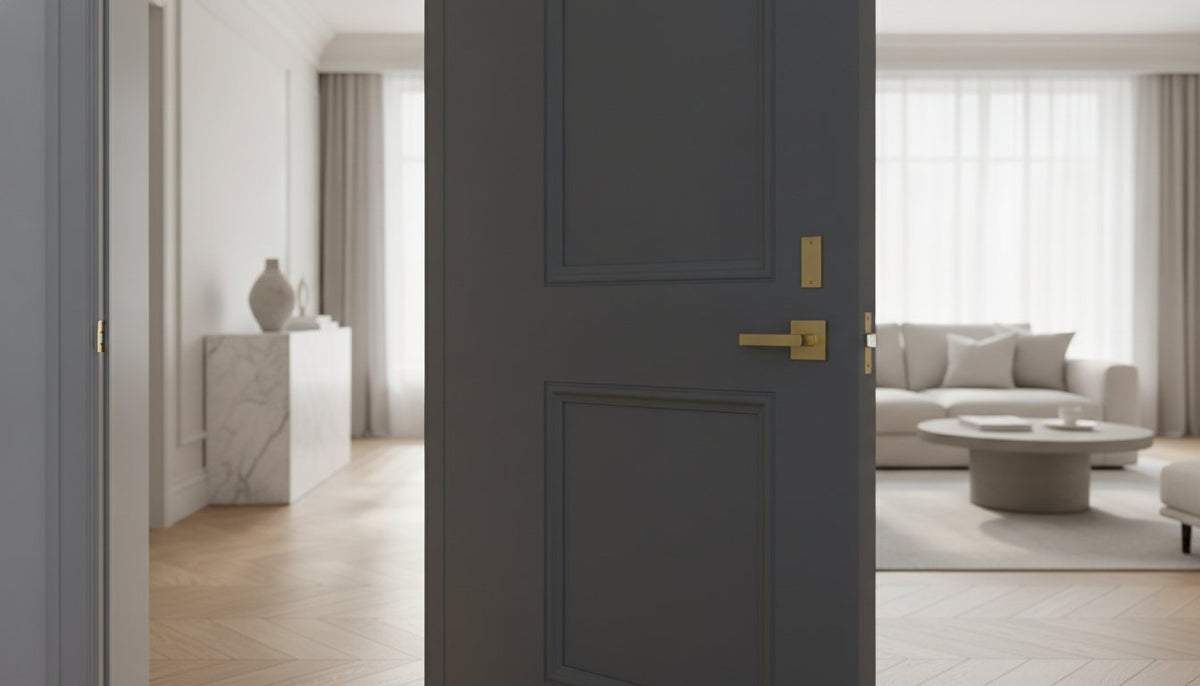
Can a single design choice really bridge the gap between a 19th-century cottage and a 21st-century penthouse? Many homeowners find themselves overwhelmed by choice, yet the four panel door remains the undisputed gold standard for British interiors. You likely want a door that feels substantial and timeless, but you're probably worried about clashing with your existing architraves or failing to meet the strict new fire safety regulations. It's a common concern, especially whilst the updated BS 8214:2026 standards are now being strictly enforced across the country.
In this guide, we'll help you discover how to choose the perfect style for your specific home. You'll learn which configurations match your property's era and the real-world benefits of different materials, from solid oak to modern veneers. We'll also clarify the essential safety requirements for hallways and the digital documentation now required for compliance, ensuring your choice is as secure as it is beautiful. By the end, you'll know exactly how to select high-quality joinery that elevates your living space and adds genuine value to your home.
Key Takeaways
- Learn why the classic configuration of two tall top panels and two smaller bottom panels has become a staple of British home design.
- Identify how to adapt a four panel door to suit both period properties and modern urban apartments through clever profile and colour choices.
- Understand the sensory and functional benefits of choosing between oak, walnut, or white primed finishes for long-term durability in the UK climate.
- Navigate the latest 2026 fire safety regulations and glazing options to ensure your new joinery is as safe as it is stylish.
- Discover why opting for a family-run specialist ensures better quality control and a more personalised service than mass-produced retail options.
What is a Four Panel Door and Why is it a British Classic?
A four panel door is defined by its elegant structure of four distinct sections, usually recessed or raised, which provide depth and character to an otherwise flat surface. The classic British configuration features two taller vertical panels at the top paired with two smaller, squarer panels at the base. This specific layout has dominated UK interiors for over a century, offering a sense of order and symmetry that complements the high ceilings of Victorian terraces and the snug proportions of modern apartments. This design isn't a modern invention; historical evidence shows that even in antiquity, such as the four-panel door carved in stone in the tomb of Theron, craftsmen understood the aesthetic power of this geometric balance.
The Anatomy of a 4-Panel Design
To appreciate the quality of a well-made door, you must understand its skeleton. The vertical edges are known as stiles, whilst the horizontal sections are called rails. A central vertical piece, the mullion, separates the panels and provides structural integrity. The overall look is often defined by the "moulding" or "beading" that surrounds each panel. Deep, intricate mouldings suggest a traditional, grander feel, whereas shallow or "shaker" style profiles lean towards a minimalist, contemporary aesthetic. You can choose between raised panels, which sit proud of the frame for a traditional look, or flat, recessed panels for a cleaner finish.
Why They Remain a Favourite Amongst Homeowners
Durability is at the heart of this design's longevity. The multi-panel structure naturally resists warping because it allows the timber to move slightly without putting pressure on the entire frame. This is particularly useful in the UK, where central heating and seasonal humidity can cause wood to expand and contract. Beyond stability, these doors are incredibly versatile. They look just as at home in a bedroom as they do in a lounge or kitchen. Because they're built with a thicker construction, a quality four panel door also offers superior sound insulation compared to hollow-core alternatives. This extra density provides much-needed privacy and a satisfying, substantial feel when the door is closed.
Traditional vs. Modern: Identifying Four Panel Door Styles
The beauty of the four panel door lies in its architectural flexibility. Whilst the basic geometry remains constant, the profile of the timber and the choice of finish can shift the aesthetic from a grand 19th-century manor to a minimalist London loft. Panel doors, or stile and rail doors are essentially a structural framework designed to hold floating panels, and it's this very construction that allows for such varied styling. Choosing the right version involves looking beyond the four sections and examining the finer details of the mouldings and the timber's natural grain.
Victorian and Regency Heritage Profiles
If you're renovating a period property, the heritage profile is likely your best match. These designs are characterised by ornate, "beaded" mouldings that wrap around each panel, creating depth and shadow. Traditionally, these doors feature raised panels that sit proud of the frame, providing a substantial, heavy feel that suits high-ceilinged rooms. To ensure a cohesive look, it's vital to match these styles with your existing internal doors and door frames. A mismatched architrave can easily distract from the door's elegance. For a truly authentic finish, we recommend pairing these heritage designs with classic brass or antique bronze ironmongery to highlight the warmth of the wood.
The Rise of the 4-Panel Shaker and Urban Styles
Modern interiors in 2026 have moved towards cleaner, more purposeful lines. The Shaker-style four panel door is the perfect example of this shift, opting for flat panels and simple, square edges instead of decorative beads. This minimalist approach focuses on the quality of the craftsmanship and the material itself. Taking this a step further, our urban doors utilise the four-panel layout but with significantly slimmer stiles to create a sleek, "loft-style" appearance. This industrial look is often finished in bold, dark tones or natural oaks paired with matte black handles. It's a design that feels contemporary yet grounded in tradition, proving that the four-panel layout is a perfect canvas for modern industrial styling. If you're looking to modernise your space without losing character, exploring these slimmer profiles is an excellent starting point.
Colour choice also dictates the final mood of the room. Whilst natural oak remains a favourite for its timeless warmth, we're seeing an increase in homeowners opting for pre-primed doors that can be finished in deep charcoals or forest greens. These bold choices transform the door into a focal point of the room's decor. Whether you prefer the intricate shadows of a Victorian bead or the crisp edges of an urban design, the right joinery acts as the anchor for your entire interior scheme. This design philosophy often extends to furniture; for example, the timeless mid-century modern aesthetic championed by TH Brown pairs beautifully with the clean lines of a four-panel door to create a cohesive, high-end look.
Choosing Your Material: Oak, Walnut, or Primed?
Choosing the right material for your four panel door is about more than just aesthetics; it's a decision that impacts how the joinery behaves in your home for decades. UK homes face unique environmental challenges, from damp winters to the intense, dry heat of modern central heating. These fluctuations cause timber to breathe. If you select a poor-quality material, you'll likely face issues with sticking, warping, or unsightly gaps. Investing in high-grade timber or expertly engineered cores ensures your doors remains a functional part of your home's architecture rather than a maintenance headache.
Whilst natural timber offers unmatched character, it isn't the only path. For high-traffic areas like playrooms or utility spaces, laminate doors have emerged as a sophisticated, hard-wearing alternative. These provide the look of wood with a surface that resists scratches and heavy cleaning. However, for those seeking the "gold standard" of British interiors, the choice usually narrows down to three primary finishes.
The Lasting Appeal of Internal Oak Doors
It's no surprise that internal oak doors remain the most popular choice across the country. Oak provides a sense of permanence and warmth that few other materials can replicate. Modern oak doors typically utilise a high-quality veneer over a stable core, which prevents the warping often seen in older solid-plank designs. We recommend looking for doors with substantial solid timber edges. These allow your joiner to trim the door for a perfect fit without exposing the inner core. To maintain that beautiful natural grain, a clear oil or wax finish is best, as it protects against finger marks whilst letting the wood's texture shine through.
Contemporary Alternatives: Walnut and White Primed
On the other hand, white primed doors offer the ultimate flexibility. They're an excellent way to organise a bespoke colour scheme throughout your home without the high cost of exotic hardwoods. These doors arrive with a smooth, professional base coat, ready for you to apply your favourite topcoat. They're particularly cost-effective for large-scale renovations where you want a consistent four panel door design but need to stay mindful of the budget. Whether you choose the organic warmth of oak or the crisp, painted finish of a primed door, the material you select will define the mood of your living space for years to come.

Practical Considerations: Glazing, Fire Safety, and Sizing
Whilst the aesthetic choice of a four panel door often takes centre stage, the technical specifications are what ensure your investment stands the test of time. Getting the measurements right is the first hurdle. A common error is measuring the existing door rather than the clear opening of the frame; even a few millimetres of difference can result in a door that sticks or fails to meet fire safety requirements. In 2026, precision is more than just a matter of convenience. It's a regulatory necessity that ensures the longevity and performance of your joinery.
Glazed Four Panel Doors for Natural Light
Many British hallways suffer from a lack of natural light. A solid timber door can feel imposing in a narrow space, which is why replacing the top two sections with glass is such a popular modification. These glazed versions maintain the structural integrity of the four panel door whilst allowing light to flow between rooms. You can choose clear glass for maximum visibility or frosted options to balance light with privacy. Regardless of your choice, ensure the glass is toughened to current British Safety Standards to prevent injury in the event of an accident. This simple change can transform a dark corridor into an inviting, airy part of your home.
Balancing Safety with Style: FD30 Fire Doors
Fire safety is perhaps the most critical practical consideration, particularly for doors leading to kitchens or those situated in communal hallways. As of March 2026, the updated BS 8214 standards are now strictly enforced, requiring a more rigorous approach to how fire doors are specified and maintained. If your building regulations specify an FD30 rating, you'll need a door that is typically 44mm thick and tested under the current EN 1634-1 standards. The good news is that modern joinery has evolved; you no longer have to sacrifice style for safety. Our fire-rated models perfectly replicate the profiles of our standard 35mm doors, providing thirty minutes of protection whilst remaining indistinguishable from the rest of your home's joinery.
It is also vital to remember that a fire door is only as effective as its assembly. This means matching your door with a fire-rated frame and high-quality intumescent strips that expand in the heat to seal the gap. Given that approximately 75% of existing fire doors in the UK fail basic compliance checks, investing in a certified complete assembly is the only way to ensure true peace of mind. If you are unsure about which specifications your project requires, our team can help you navigate the latest regulations to ensure your home remains both beautiful and compliant. You can explore our full range of fire-rated and glazed options to find the perfect match for your safety requirements.
Investing in Quality Joinery with Arborfield Joinery
Choosing the right joinery is a long-term commitment to your home's character. Whilst mass-produced options from large DIY retailers might seem convenient, they often lack the structural integrity and aesthetic depth of a professionally crafted four panel door. These high-street alternatives frequently use thinner veneers and lightweight cores that simply don't provide the same sound insulation or satisfying weight when closed. At Arborfield Joinery, we've been the trusted name in UK doors since 1953. Our family-run approach ensures that every piece of joinery meets our rigorous standards for quality control and craftsmanship. We take palpable pride in our heritage, positioning ourselves as the steady hand you need when making such a significant improvement to your living space.
Expert Craftsmanship and National Delivery
Our expertise isn't just about the finished product; it's about the entire journey. We're committed to sourcing sustainable, high-quality timber that balances beauty with environmental responsibility. This dedication to precision ensures that your doors won't just look good on day one, but will remain stable through years of seasonal changes. To make the process as seamless as possible, we provide free mainland UK shipping on orders over £900. For those who prefer a more hands-on approach, our Berkshire showroom features over 120 doors on display. This physical space is essential for helping you visualise your project, allowing you to run your hand over the grain and feel the substantial weight of our oak and urban ranges before you commit.
Personalised Service for Every Project
We understand that a door is only one part of your home's environment. Whether you're replacing a single bedroom door or undertaking a full house refurbishment, our team provides the empathetic guidance you'd expect from a specialist joiner. We act as your quality curator, helping you select the perfect architrave and ironmongery pairings that elevate the simple geometry of a four panel door into a bespoke design statement. This personalised service ensures that every detail, from the hinges to the handles, is perfectly coordinated with your existing decor. Ready to upgrade your home? Explore our full range of four panel doors online today and experience the difference that seventy years of joinery expertise makes.
Elevate Your Home with a British Classic
The four panel door remains a cornerstone of British interior design because it offers a rare combination of structural stability and aesthetic flexibility. Whether you're restoring a period property with traditional beading or opting for the sleek lines of an urban apartment, this design adapts to your vision without losing its inherent character. By prioritising high-quality materials and staying mindful of the latest fire safety standards, you're investing in joinery that will serve your home for decades. Our family-run business has been dedicated to this level of craftsmanship since 1953; we understand that the right door does more than just close a room; it defines it.
If you're ready to see the difference quality makes, we invite you to visit our showroom where you can explore 120-plus doors in person. We also offer free mainland shipping on orders over £900, making it easier than ever to bring specialist joinery into your home. Don't settle for mass-produced alternatives when you can have a piece of timeless design tailored to your space. Browse our extensive collection of high-quality Four Panel Doors today and take the first step towards a more beautiful, refined interior.
Frequently Asked Questions
What is the difference between a 4-panel Shaker door and a Victorian 4-panel door?
The primary difference lies in the profile and decorative detailing. A Victorian 4-panel door typically features raised panels and intricate beaded mouldings that create depth and shadow, whilst a Shaker version prioritises minimalist, square edges and flat panels. Shaker designs suit contemporary or industrial spaces, whereas the Victorian style is the traditional choice for period renovations and high-ceilinged homes with grander architectural features.
Can I trim a four panel door if my frame is an unusual size?
Yes, you can trim most high-quality four panel door models, but the amount depends on the construction. Engineered doors usually feature solid timber lippings on all four edges, typically allowing for 6mm to 10mm of trimming per side. If your opening is significantly non-standard, we recommend checking the specific manufacturer’s guidelines to ensure you don't compromise the door’s structural core or void any warranties during the fitting process.
Are 4-panel doors suitable for modern, minimalist interiors?
Absolutely, the four-panel layout is incredibly versatile and remains a favourite for new builds. For minimalist interiors, we suggest choosing a Shaker profile with clean lines or one of our urban designs that features slimmer stiles. These versions strip away the traditional ornamentation of the 19th century, leaving a geometric, purposeful look that complements modern hardware and neutral colour palettes. It’s a design that feels architectural rather than merely decorative.
Do I need a fire-rated 4-panel door for my kitchen?
Under current UK building regulations, you often require an FD30 fire-rated door for rooms where the risk of fire is higher, such as the kitchen, or for doors leading to an integral garage. These doors are 44mm thick and must be installed with matching fire-rated frames and intumescent strips. Our fire-rated four panel door models are designed to be indistinguishable from standard versions, allowing you to maintain a consistent aesthetic throughout your home.
Which is better: a solid oak 4-panel door or an oak veneer one?
For most modern homes, an engineered oak veneer door is actually superior to traditional solid oak. Solid timber is prone to warping and splitting due to fluctuations in central heating and humidity. An engineered core provides exceptional stability, whilst a thick oak veneer offers the same sensory experience and grain pattern. It ensures your door remains perfectly aligned within the frame for years without the maintenance issues associated with solid planks.
How do I maintain the finish on an unfinished timber four panel door?
Maintenance starts with choosing a high-quality finish before the door is hung. We recommend using a clear hardwax oil or a dedicated timber sealer to protect the wood from finger marks and moisture. For an unfinished four panel door, you should apply at least two coats to all surfaces, including the top and bottom edges. Once sealed, a simple wipe with a damp, lint-free cloth is usually enough to keep the timber looking pristine.
Can I get a 4-panel door with glass in the top sections?
Yes, glazed versions are a popular choice for brightening dark corridors or communal areas. These designs typically replace the two taller top panels with toughened safety glass whilst keeping the two bottom panels solid for privacy and durability. You can choose between clear glass for a direct view or frosted glass if you want to maximise light flow without sacrificing the privacy of a bedroom or home office.
What colour handles look best on an oak four panel door?
The choice of hardware colour depends entirely on the era of your home. For a traditional Victorian look, polished brass or antique bronze handles highlight the warm undertones of the oak. If you’ve opted for a more modern Shaker or urban style, matte black hardware provides a striking, industrial contrast. Brushed chrome or satin nickel are excellent middle-ground options that suit almost any interior scheme and resist visible fingerprints during daily use.
Share:
The Ultimate Guide to Glazed Doors: Brightening Your Home with Style in 2026
The Ultimate Guide to Glazed Doors: Brightening Your Home with Style in 2026