
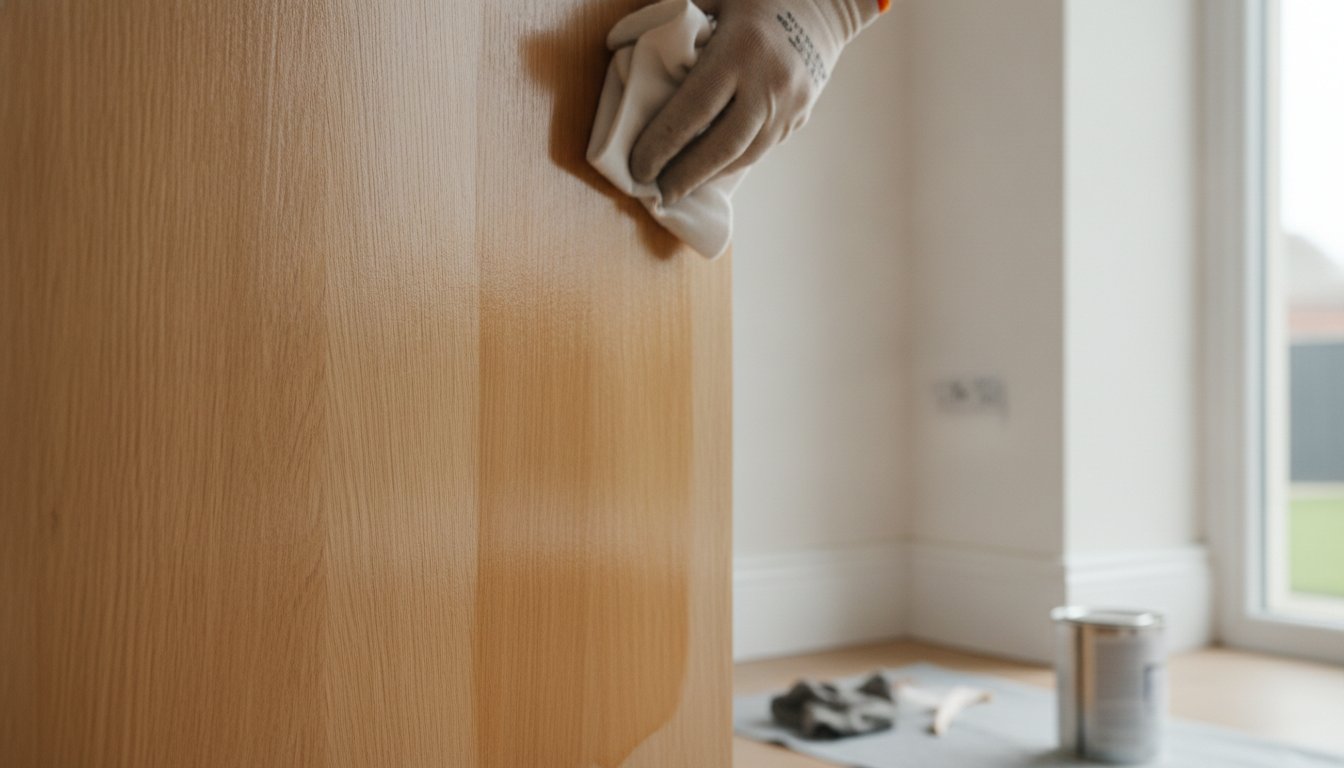
What if the most luxurious feature in your home wasn't a high-priced designer import, but a piece of raw timber you perfected yourself? Many homeowners find that matching new joinery to existing oak flooring or heritage furniture is an exercise in frustration, often resulting in a "near miss" that disrupts the room's flow. You might feel forced to choose between an expensive pre-finished product or the daunting task of treating raw wood. However, unfinished oak doors shouldn't be viewed as incomplete. Instead, they are a premium canvas that allows you to achieve a professional, bespoke aesthetic at a more accessible price point.
In this guide, you'll discover how to unlock the potential of raw oak to create a finish tailored to your home's unique character. We'll provide the clarity needed to navigate the latest 2026 building regulations, including the BS 8214:2026 code of practice, whilst ensuring your doors meet modern safety standards. From selecting the right grain to choosing a durable treatment that protects the timber for decades, we'll show you how to take complete control of your interior. By the end, you'll have the confidence to turn a high-quality door into a lasting statement piece.
Key Takeaways
- Learn how unfinished oak doors provide the creative freedom to match your interior's specific colour palette, from deep smoked shades to contemporary white washes.
- Identify the ideal door style for your property by exploring the functional benefits of traditional panels versus modern glazed designs for maximising natural light.
- Gain a professional understanding of wood treatments, ensuring your chosen oil or lacquer provides both aesthetic appeal and decades of durability.
- Discover why preparation is the most critical stage of the customisation process and how a light sanding can elevate the final result of your joinery.
- Understand the value of sourcing from a heritage business to ensure your timber is of a high-grade, sustainable quality that stands the test of time.
What are Unfinished Oak Doors and Why Choose Them?
At its simplest, an unfinished oak door is a high-quality internal door supplied in its raw, natural timber state. These doors haven't been treated with factory-applied oils, waxes, or lacquers, leaving the wood's pores open and its natural colour exposed. Why choose raw timber in 2026? It's a question of vision. By selecting a door that hasn't been factory-sealed, you're choosing to be the architect of your home's final aesthetic. This approach offers a level of creative freedom that pre-finished products simply cannot match.
There is a common misconception that "unfinished" means "unprocessed." In reality, premium unfinished oak doors from specialist joiners are supplied "sanded-ready." This is a far cry from the splintered, rough-hewn planks found in basic builder's yards. These doors have been precision-engineered and sanded to a fine grit, providing a smooth, professional surface that is ready for immediate treatment. Choosing unfinished joinery can also reduce your initial project outlay, allowing you to invest in a higher grade of timber whilst managing the final finishing costs yourself.
Raw Timber vs. Pre-Finished: The Key Differences
The primary draw of raw timber is absolute control over the final sheen and shade. Factory finishes are often designed to appeal to the widest possible audience, which can result in a "one-size-fits-all" look that feels generic. With unfinished doors, you decide whether to apply a matte, "invisible" oil for a modern Scandinavian feel or a rich, dark stain for a traditional heritage look. This flexibility is vital when you're trying to match new joinery to existing oak flooring, architraves, or skirting boards. Achieving a seamless flow across different rooms is much easier when you use the same finishing product on every surface.
Practicality also plays a role. If a door needs to be trimmed or planed during the fitting process to accommodate an uneven frame, the raw edge is easily treated. On a pre-finished door, trimming exposes the raw timber beneath the lacquer, creating a visible "scar" that is difficult to patch invisibly. With an unfinished product, the entire door is treated at once, ensuring a uniform and durable protective layer.
The Role of Oak in Modern British Interiors
Oak remains the UK's favourite wood species for internal joinery, and its popularity has only strengthened in 2026. Its dense grain structure makes it naturally resilient to the daily wear and tear of a busy household. Unlike softer woods that may dent or scratch easily, oak offers a level of durability that ensures your investment lasts for decades. The aesthetic appeal is equally significant. Whether you prefer the dramatic loops of a crown-cut veneer or the clean, architectural lines of rift-sawn timber, oak provides a timeless elegance that suits both period properties and contemporary builds.
Sustainability is another major factor. As we move through 2026, homeowners are increasingly prioritising eco-conscious materials. High-quality timber is a renewable resource, and a well-maintained oak door can easily outlast synthetic alternatives. For those looking to combine this traditional material with modern design, internal oak glazed doors have become a staple for maximising natural light whilst maintaining the warmth and texture of real wood.
The Pros and Cons of Unfinished Internal Doors
Deciding between pre-finished and unfinished internal doors is often a choice between immediate convenience and long-term character. Whilst factory-finished options offer a "fit and forget" solution, they often lack the depth and warmth that a hand-applied treatment provides. For many, the time investment required for finishing is a small price to pay for a bespoke result. If you're aiming for a specific 2026 trend, such as the muted elegance of a "White Wash" or the moody sophistication of "Smoked Oak," doing it yourself is the only way to guarantee the exact shade you desire.
One of the most practical reasons to choose raw timber is the ability to accommodate the quirks of British architecture. It's rare to find a perfectly square door frame in an older property. If your installation requires more aggressive trimming than the standard allowance, unfinished oak doors are far more forgiving. You won't risk peeling back a factory-applied lacquer or creating a visible seam between the finished face and the raw edge. Instead, you simply plane the door to fit and apply your treatment across the entire surface for a seamless, professional seal.
Advantages: Why DIY Enthusiasts Prefer the Raw Option
The primary draw for many is the significant cost saving on the initial purchase. By removing the factory finishing stage, the price per leaf is notably lower, which can make a substantial difference when refreshing an entire floor. Beyond the budget, there's the aesthetic advantage of avoiding "factory shine." Many pre-finished doors have a plastic-like sheen that feels out of place in a period home. Finishing the wood manually allows you to maintain the natural texture of the grain. Additionally, any minor scuffs or dings that occur during the hectic fitting process can be sanded out and blended invisibly before the final coat is applied.
Considerations: What to Prepare for Before Buying
Before committing to raw timber, consider your working environment. Applying oils or waxes requires a clean, dust-free space to prevent particles from becoming trapped in the finish. You'll also need to factor in the cost of premium oils or hardwax treatments, as using low-quality products can compromise the timber's longevity. Timing is equally important. Most professional-grade treatments require at least two coats with several hours of drying time in between. If you're on a tight deadline, this additional step needs to be planned carefully. However, for those who value craftsmanship, the result is a durable finish that protects the oak for decades. If you're unsure which style suits your project, you might find inspiration by browsing our full range of oak doors to see the various grain patterns available.
One final caution: never leave raw timber untreated for long periods, especially in humid environments or recently plastered rooms. Oak is a natural material that "breathes," and excessive moisture can cause the wood to swell or warp before it's even hung. Sealing the door promptly is essential for maintaining its structural integrity.
Selecting the Right Style of Oak Door for Your Home
Choosing the right profile is just as important as the finish you eventually apply. In 2026, we're seeing a return to architectural honesty. Homeowners want doors that feel like they belong to the building's history, whether that's a Victorian terrace or a glass-fronted new build. Unfinished oak doors provide the flexibility to lean into these specific styles without being restricted by a factory's choice of stain. Oak remains a firm favourite amongst UK homeowners because it adapts so effortlessly to different design languages.
Panelled and Shaker Styles for Timeless Appeal
The Shaker door remains a staple of British interior design, perfectly suited to the "Modern Farmhouse" and "Cottage-Core" trends that continue to dominate. Its clean, recessed panels offer a minimalist look that doesn't feel clinical. When you choose an unfinished version, you can highlight the natural variations in the timber's grain, which adds a layer of organic warmth to the room. For more traditional settings, four-panel or six-panel designs with raised and fielded details provide a sense of weight and heritage. To achieve a truly professional look, ensure you are pairing your unfinished oak doors with the correct internal doors and door frames to maintain consistent material quality throughout the opening.
Contemporary and Glazed Options for 2026
Modern interiors often demand a sleeker silhouette. Minimalist flush doors rely entirely on the quality of the timber grain for their visual interest. Without panels to distract the eye, the crown-cut or rift-sawn patterns of the oak become the focal point. We are also seeing a significant rise in the use of internal oak glazed doors. These are essential for maximising natural light in darker hallways or creating a sense of flow between open-plan living spaces whilst maintaining a physical barrier for noise and heat retention.
When treating glazed styles, precision is key. A common concern is getting oil or wax on the glass panels. We recommend using high-quality low-tack masking tape around the beads before application. This allows you to achieve the popular "Natural" look, where the wood is sealed but remains as pale as the day it was sanded. This "raw" aesthetic is a major trend for 2026, offering a light, airy feel that complements contemporary neutral palettes whilst retaining the unmistakable texture of real oak.
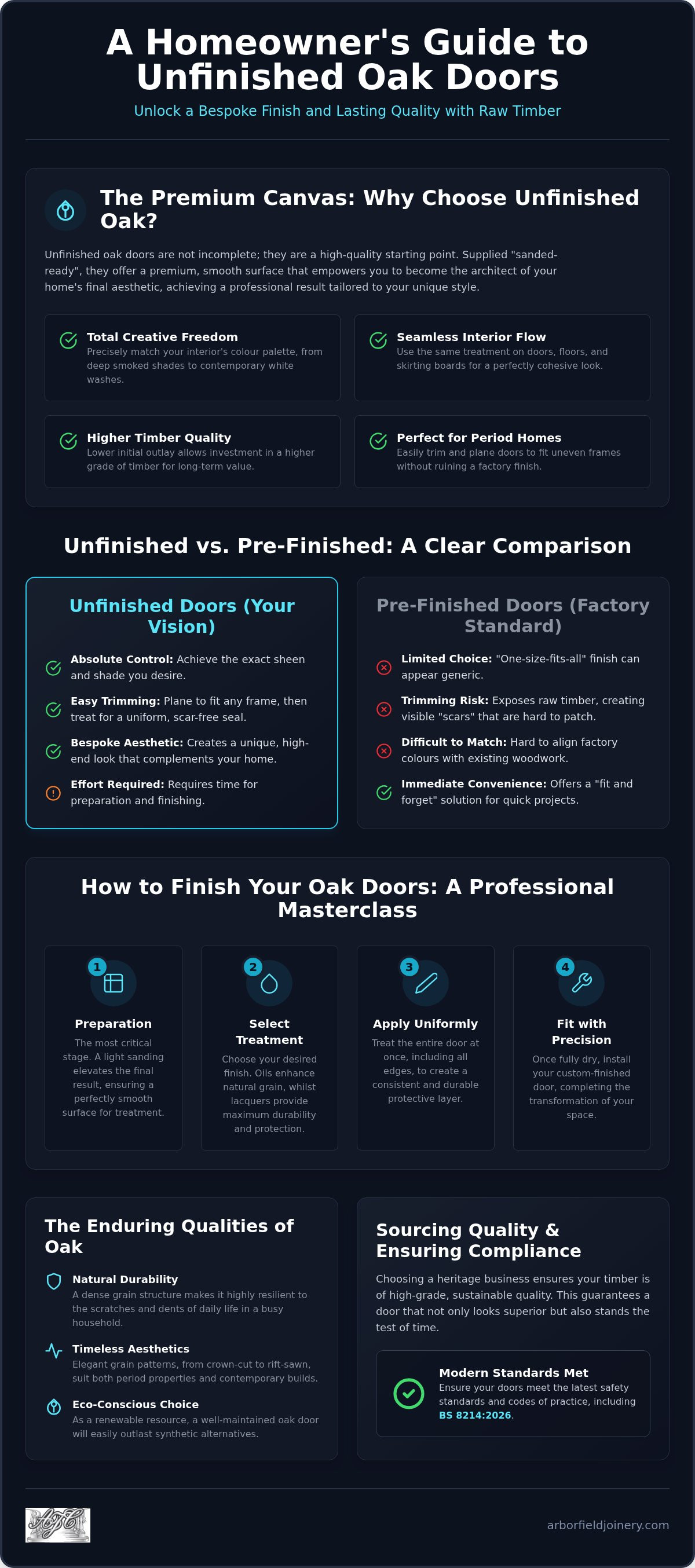
How to Finish Your Oak Doors: A Professional Masterclass
Achieving a showroom-standard finish on unfinished oak doors is less about artistic flair and more about methodical preparation. Whilst our doors are supplied sanded and ready for treatment, the journey from raw timber to a durable interior feature requires a specific sequence of steps. Skipping the finer details at this stage can lead to a patchy finish or, worse, timber movement later in the year. The goal is to create a seal that enhances the oak's natural beauty whilst providing a robust barrier against the rigours of a modern home.
Step 1: Preparation and Sanding
For the best results, perform a final light sand using a fine 180 to 240-grit sandpaper to ensure the surface is perfectly uniform. Even the highest quality joinery can benefit from this final touch to open the wood's pores. Once sanded, the use of tack cloths is essential to remove every microscopic trace of dust that could otherwise mar the final finish. Be prepared for the 'raised grain' phenomenon; after the first coat of any liquid treatment, the wood fibres may swell slightly. A very light sand between coats will knock these fibres back down, resulting in a glass-smooth surface.
Step 2: Application Techniques for a Flawless Result
The choice of tool often dictates the quality of the finish. A high-quality natural bristle brush is excellent for getting into the nooks of panelled doors, whilst a lint-free cloth is often superior for applying hardwax oils to large, flat surfaces. Always work in the direction of the grain to avoid visible streaks or circular marks. We recommend a 'less is more' approach. Two or three thin, even coats are far superior to one thick layer, which can pool in corners and take days to dry properly. This methodical layering builds a deep, sophisticated lustre that protects the timber from within.
The most common mistake made during installation is neglecting the 'six-side' rule. Every internal door has six faces: the two large sides, the two vertical edges, and the top and bottom horizontal edges. If you fail to seal the top and bottom ends, moisture can penetrate the end grain, leading to swelling or warping as the seasons change. Sealing these hidden edges is the single most important step for ensuring the long-term structural integrity of your joinery.
Regarding maintenance, your choice of medium will determine the schedule. Hardwax oils are popular because they are easy to patch-repair, typically requiring a fresh maintenance coat every three to five years. Clear lacquers provide a harder shell but are more difficult to repair if scratched. Whichever you choose, regular inspection ensures the oak remains protected for decades. If you are ready to select a high-quality canvas for your next project, explore our range of oak doors to find the perfect style for your home.
Sourcing Quality Unfinished Oak Doors in the UK
Sourcing unfinished oak doors isn't merely a transaction; it's the foundation of your entire interior project. When you invest in raw timber, you're trusting the supplier's eye for grain quality and structural integrity. Since 1953, Arborfield Joinery has operated with a commitment to craftsmanship that only a family-run heritage business can provide. We've seen the industry evolve, but our focus remains on providing timber that meets the highest standards of durability and aesthetic appeal. Choosing a supplier with this level of longevity ensures you're receiving expert guidance from a "trustworthy veteran" who understands how oak behaves over time.
Whilst digital shopping offers convenience, there's no substitute for a physical inspection. Our 120-plus door showroom allows you to see the natural variations in the wood and feel the quality of the "sanded-ready" surface in person. This tactile experience is vital for identifying the specific grain patterns that will complement your home's architectural heritage. We also prioritise sustainability, ensuring that your home improvement project uses responsibly sourced timber. Navigating the delivery of bulky joinery items can be a challenge, but we simplify the process with free UK mainland shipping on orders over £900, ensuring your investment arrives safely at your door.
The Arborfield Joinery Difference
We pride ourselves on acting as knowledgeable consultants rather than just retailers. Our team offers a bespoke approach to help you navigate our wide range of styles, from traditional solid oak to modern high-quality veneers. Because we've been part of the joinery landscape for decades, we can provide reassuring advice on which unfinished oak doors best suit your specific environmental conditions. This expert guidance is a hallmark of our service, ensuring you feel confident from the moment you browse our collection to the final application of your chosen finish. If you are seeking further inspiration on how bespoke timber work can transform a space, you can learn more about Eben&Or and their artistic approach to high-end interior fittings.
Before you commit to your new doors, follow this essential checklist to ensure a smooth installation process:
- Measure precisely: Check the height, width, and depth of your existing frames. Whilst many of our doors offer generous trimming allowances, starting with the closest standard size is always best.
- Order treatments early: Don't wait for your doors to arrive before buying your oils or waxes. Having your finishing products ready allows you to seal the timber immediately, protecting it from moisture.
- Prepare your storage: Once your doors are delivered, store them flat in a dry, well-ventilated room. Never lean them against a wall for extended periods, as this can cause the timber to bow before it's even hung.
By following these steps and sourcing from a reputable UK specialist, you're ensuring that your customised interior remains beautiful and structurally sound for decades to come.
Elevate Your Interior with Bespoke Craftsmanship
Choosing unfinished oak doors is an investment in the unique character of your home. By taking control of the final treatment, you ensure a perfect match with your existing decor whilst enjoying the superior durability that high-grade timber provides. Successful customisation relies on methodical preparation and sealing all six sides to protect the wood's integrity for years to come. It's this attention to detail that transforms a standard house into a curated living space.
At Arborfield Joinery, we've been helping homeowners realise their design visions since 1953. Whether you're looking for traditional panels or contemporary glazed styles, our family-run expertise ensures you receive joinery that stands the test of time. Explore our full range of premium unfinished oak doors today to find your perfect match. With free UK mainland shipping on orders over £900 and a Berkshire showroom featuring 120-plus doors to inspect in person, we provide the quality and reassurance your project deserves. Start your journey toward a truly personalised home today.
Frequently Asked Questions
Can I leave my oak doors unfinished?
No, you should not leave oak doors entirely unfinished for an extended period. Raw timber is naturally porous and highly susceptible to moisture changes in the air, which leads to warping, bowing, or staining. Even if you prefer the raw aesthetic, you must apply a clear, matte protective sealant. This maintains the look whilst providing the necessary structural stability required for internal joinery.
What is the best finish for internal oak doors in 2026?
Hardwax oils are currently the preferred choice for 2026 due to their ability to penetrate the wood whilst leaving a breathable, durable surface. Unlike traditional varnishes that sit on top of the timber, these oils enhance the natural grain and are much easier to repair if scuffed. They offer a sophisticated, low-sheen finish that aligns perfectly with modern natural interior design trends.
Do I need to sand an unfinished oak door before painting or oiling?
Yes, a light final sand is essential even on doors supplied as sanded-ready. Using a fine 180 to 240-grit sandpaper ensures the surface is perfectly uniform and removes any minor oils or dust accumulated during transit. This small step opens the wood's pores, allowing your chosen treatment to bond effectively and resulting in a much smoother, professional-grade final appearance.
How many coats of oil does an unfinished oak door need?
Most high-quality unfinished oak doors require at least two thin coats of oil to achieve a durable seal. The first coat acts as a primer, penetrating deep into the timber's fibres, whilst the second coat provides the protective surface layer and final sheen. Always allow for sufficient drying time between applications, typically four to six hours depending on the specific product and room temperature.
Can unfinished oak doors be used in bathrooms or kitchens?
Yes, you can use these doors in areas with higher humidity, provided they are sealed correctly on all six sides. You must use a moisture-resistant treatment, such as a high-performance hardwax oil or a dedicated timber sealer, to prevent the wood from absorbing steam. This protection is vital in kitchens and bathrooms to ensure the door does not swell or warp over time.
How do I match my new unfinished doors to my existing oak floor?
The most effective method is to test your chosen stain or oil on a small, inconspicuous area of the door first. Because unfinished oak doors are a natural product, they react differently to various treatments. You can often achieve a perfect match by using the same brand and shade of oil that was applied to your flooring, ensuring a cohesive flow throughout your home.
Is it cheaper to buy unfinished doors and finish them myself?
Buying unfinished joinery usually results in a lower initial purchase price per leaf compared to pre-finished alternatives. Whilst you will need to invest in quality oils and brushes, the overall project cost is often reduced, especially when updating multiple rooms. This approach allows you to spread the cost and time of finishing whilst achieving a high-end, bespoke look that adds value to your property.
What happens if I don't seal the top and bottom edges of the door?
Failing to seal the top and bottom edges allows moisture to enter the end grain, which is the most absorbent part of the timber. This often leads to the door swelling, sticking in the frame, or even structural delamination over time. Applying your treatment to these hidden edges is a non-negotiable step for maintaining the long-term stability and performance of your new joinery.
Share:
Premium Timber Entrance Doors: A 2026 Buyer's Guide
Bespoke Timber Windows for Victorian Homes: A Planning Guide