
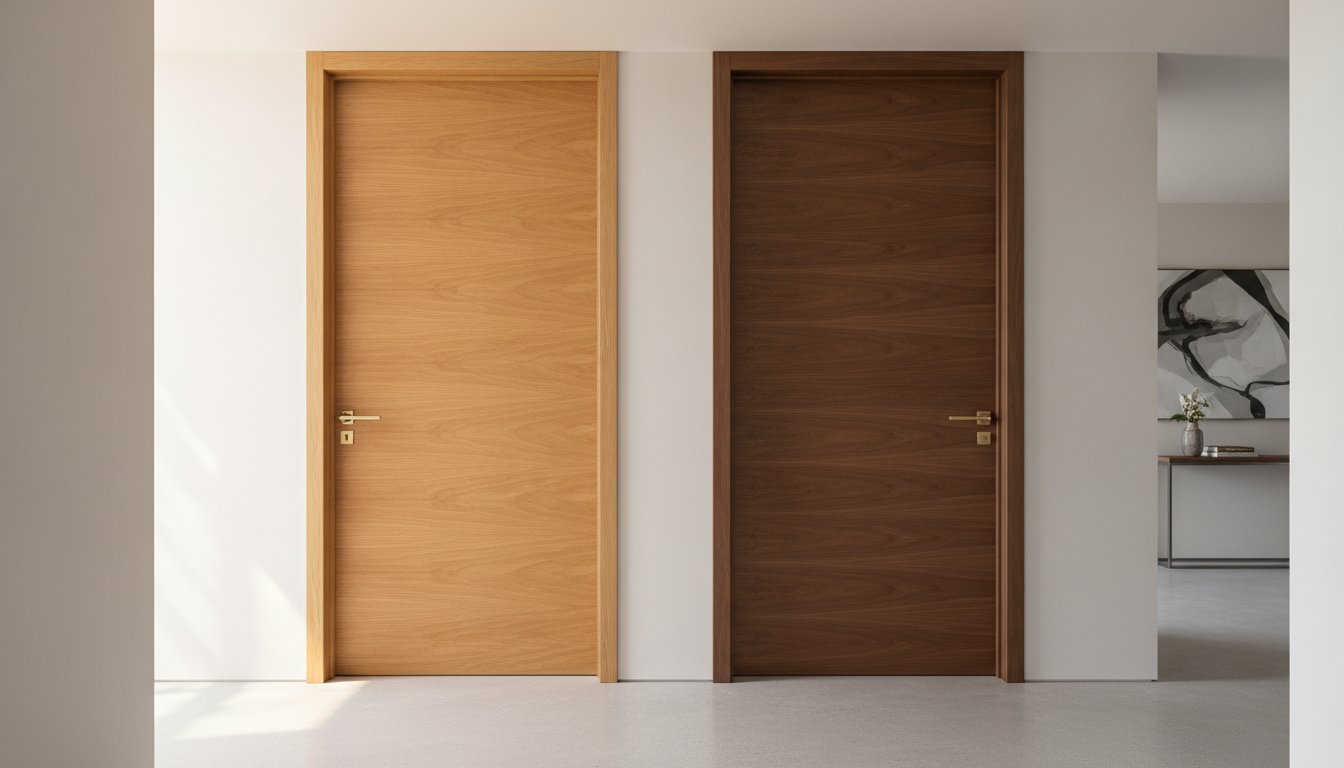
Could the very timber you fear will make your hallway feel dim actually be the secret to 2026’s most sophisticated interior? Many homeowners worry that walnut will leave their rooms feeling cramped, whilst others fear that oak might look a little too safe for a bold renovation. It's a common dilemma when you're making a significant investment in your property's long-term value. Deciding between oak vs walnut internal doors isn't just about picking a colour; it's about understanding how different grains interact with your home's natural light and architectural heritage.
We agree that selecting the right timber can feel overwhelming when you're balancing aesthetic desires with the practicalities of a budget. This guide promises to provide a definitive comparison, giving you the confidence to choose a door that serves as a stunning focal point rather than just a functional barrier. We’ll preview the durability of these hardwoods, explore the latest 2026 design trends, and discuss how to pair your choice with premium hardware to ensure your home feels curated and timeless.
Key Takeaways
- Analyse how the golden warmth of oak and the deep sophistication of walnut interact with natural light to define your room's atmosphere.
- Compare Janka hardness ratings and timber stability to choose a door that withstands the temperature fluctuations of a centrally heated home.
- Navigate the investment required for oak vs walnut internal doors, including an evaluation of why walnut typically commands a 20% to 40% premium.
- Learn why completing your look with Victorian or Georgian finger plates is vital for protecting the integrity of premium timber grains.
- Utilise a clear 5-step selection framework to decide whether to commit to a single timber or employ a strategic "mix and match" approach.
Understanding the Visual Impact: Oak’s Warmth vs Walnut’s Sophistication
Choosing between oak vs walnut internal doors is often the first major aesthetic decision in a high-end renovation. This choice dictates the visual "weight" of your living space. Oak, with its celebrated golden undertones, acts as a reflective canvas that bounces light around a room, making even narrow hallways feel more expansive and airy. In contrast, walnut provides a rich, dark anchor that grounds a room in luxury. It offers a focal point of dark chocolate hues that can turn a standard transition point into a piece of architectural art.
The specific hardwood characteristics of these timbers also dictate their tactile appeal. European oak typically features an open, prominent grain that feels organic and textured. American black walnut offers a tighter, more uniform grain structure often characterised by elegant, flowing swirls. These patterns influence the psychological "temperature" of a room; oak provides a sunny, inviting warmth, whilst walnut evokes a sense of cool, executive calm. How you light these surfaces matters too. Natural sunlight highlights the depth of oak's grain, whereas warm artificial lighting can make walnut's dark surfaces appear velvety and incredibly sophisticated.
The Aesthetic Versatility of Internal Oak Doors
It is no coincidence that internal oak doors remain the UK's favourite for both traditional and Scandi-industrial themes. Their neutral quality allows you to update wall colours or decor styles frequently without the timber clashing. When inspecting high-quality oak, look for "medullary rays." These silvery, ribbon-like cells run across the grain and are a hallmark of premium, quarter-sawn timber. This feature doesn't just add visual interest; it signifies a door built with superior craftsmanship and structural stability.
The Contemporary Sophistication of Walnut
Walnut doors are frequently the choice for modern, high-end interiors where a sense of "executive" luxury is required. They serve as bold architectural statements rather than mere functional barriers. One fascinating aspect of walnut is its colour transition over time. Whilst many expect it to stay dark, walnut actually lightens slightly as it ages, developing a lighter honey patina that adds character to the home. This evolution ensures that your investment feels lived-in and timeless, rather than static. For homeowners looking to create a high-impact, bespoke feel, walnut remains the gold standard of timber selection.
Durability and Maintenance: Which Timber Stands the Test of Time?
When weighing up oak vs walnut internal doors, durability is often the deciding factor for busy households. Both species are hardwoods, but they offer different levels of resilience. Oak is exceptionally hardy, boasting a Janka rating of 1,200 to 1,300. This makes it incredibly resistant to the daily knocks of a family home. Walnut sits slightly lower on the scale at 1,000 to 1,200. Whilst it is technically "softer" than oak, it remains significantly more durable than common softwoods like pine, which often struggle to reach a rating of 500.
In centrally heated UK homes, timber stability is vital. Wood naturally reacts to moisture and temperature fluctuations. High-quality engineered timber doors, which use a solid core topped with a thick veneer, are often more stable than traditional solid slabs. This construction prevents the warping or sticking that can occur during a damp British winter. If accidental damage occurs, solid timber offers the best repairability as it can be sanded back and refinished. However, modern premium veneers are now thick enough to allow for light repairs, ensuring your investment remains pristine for decades.
Oak: The Robust Choice for High-Traffic Homes
The density of oak is legendary. It has been the primary material for heavy-duty joinery and stairs for centuries. For homes with energetic pets or young children, oak is a forgiving choice. Its prominent, textured grain is excellent at disguising minor scuffs and scratches that might show up more clearly on smoother woods. To keep your oak doors looking fresh, follow this simple maintenance cycle:
- Dusting: Wipe down with a soft, lint-free cloth once a week.
- Oiling: Apply a fresh coat of hardwax oil every two to three years to maintain the timber's hydration.
- Protection: Consider adding premium finger plates to protect high-contact areas from natural skin oils.
Walnut: Balancing Luxury with Practical Care
Walnut is a luxury timber that requires a slightly more mindful approach to maintenance. One common concern is UV sensitivity. Unlike oak, which tends to darken slightly, walnut can fade if exposed to constant, direct sunlight. Choosing a finish with built-in UV protection is essential for doors positioned opposite large south-facing windows. When cleaning, avoid generic supermarket sprays that contain silicone. These can create a waxy buildup that dulls the sophisticated, dark lustre of the wood. Instead, use a damp cloth followed immediately by a dry one to prevent water spots from marring the surface.
Budgeting for Quality: Evaluating the Cost of Oak vs Walnut Doors
Investing in new joinery is a significant financial commitment that directly impacts your home's resale value and daily enjoyment. When comparing oak vs walnut internal doors, the most immediate difference is the price point. On average, walnut doors command a premium of 20% to 40% over their oak equivalents. This isn't merely a "designer tax" but a reflection of the global timber market and the inherent scarcity of the raw material. Whilst the initial outlay for walnut is higher, it is often viewed as a "prestige" material that signals high-end quality to future buyers.
Choosing between these timbers often involves a strategic "save vs splurge" approach. Many of our clients choose to install walnut doors in communal areas, such as the entrance hall and lounge, to create a striking first impression. They then utilise oak for bedrooms and bathrooms to manage the overall project budget. It's also worth considering the long-term value of real timber over laminate internal doors. Whilst laminates offer a lower entry price, they cannot be refurbished or repaired like real wood, making oak and walnut the superior choice for a 30-year investment.
The Price of Scarcity: Why Walnut Carries a Premium
The cost of walnut is primarily driven by the tree's slow growth rate. It takes significantly longer for a walnut tree to reach maturity compared to oak, which limits the volume of sustainably harvested timber available at any given time. Additionally, the manufacturing process for walnut is more demanding. To achieve that sought-after "executive" look, manufacturers often seek out "clear" walnut, which is timber free from knots and sapwood. This selection process increases waste and, consequently, the final price of the door. For the discerning homeowner, this scarcity is exactly what makes walnut such a unique architectural statement.
Maximising Value with Oak Joinery
Oak remains the undisputed champion of "pound-for-pound" performance in the UK joinery industry. It offers a premium, natural wood finish at a more accessible price point than walnut. You can further manage your budget by choosing between different grades of timber. Prime oak offers a clean, uniform appearance, whilst rustic grades include more natural knots and colour variations at a lower cost. To ensure a professional finish, we recommend matching your internal doors and door frames. Using oak for both provides a cohesive, high-quality look that feels bespoke without the "bespoke" price tag often associated with rarer hardwoods.

The Finishing Touches: Matching Finger Plates and Hardware to Your Timber Choice
Small details define a room. Whilst the timber species provides the foundation, the hardware you select serves as the final, character-defining touch that completes your vision for oak vs walnut internal doors. Hardware is effectively the jewellery of your home. It shouldn't just be functional; it should enhance the natural beauty of the grain whilst protecting your investment. Finger plates are particularly essential in this regard. They provide a protective barrier against the natural oils and moisture from skin, which can slowly discolour premium timber over decades of high-contact use.
The choice of metal finish can dramatically shift the psychological "weight" of a door. Victorian and Georgian period hardware designs offer a sense of established heritage that suits the solid feel of timber joinery. For shared dwellings or home office spaces, you might also consider the functional necessity of internal letter plates. These allow for the secure passage of documents whilst maintaining the acoustic and aesthetic integrity of the door. Whether you prefer the bright flash of polished brass or the muted sophistication of antique bronze, your hardware should feel like a deliberate extension of the architecture.
Pairing Hardware with Oak’s Golden Tones
Oak's versatility allows for a broad range of hardware pairings. If you are aiming for a contemporary or "Scandi-industrial" look, black nickel or beeswax ironmongery provides a striking "Urban" contrast against light oak. This dark-on-light aesthetic highlights the texture of the grain without overwhelming the room's brightness. Conversely, polished brass finger plates are a classic choice that enhances the traditional warmth of a classic four-panel oak door. You can browse the full range of Finger Plates and Letter Plates to find a finish that complements your specific interior palette.
Elevating Walnut with Premium Metal Finishes
Dark walnut requires hardware that can stand up to its visual richness. Satin chrome or stainless steel finger plates provide a crisp, modern edge that cuts through the deep chocolate tones of the wood. This combination is particularly effective in executive-style home offices or minimalist apartments. If you wish to lean into a more "heritage" feel, such as in a walnut-panelled study, antique brass is an exceptional partner. It offers a muted, lived-in glow that mirrors the sophistication of the wood. The Arborfield collection includes specific Victorian-inspired designs that are weighted and finished to suit the substantial nature of rich timber grains.
Ready to complete your renovation with the perfect finishing touch? Explore our curated selection of finger plates and period hardware to protect and enhance your new doors.
Making the Final Decision: A 5-Step Selection Framework for Your Home
Choosing between oak vs walnut internal doors is the final hurdle in your design journey. By now, you understand the visual weight of these timbers and the investment required for each. The final decision shouldn't be based on a whim; it requires a structured approach that considers your home's unique environment and your lifestyle. Whether you are renovating a period property or a modern apartment, this framework ensures your choice adds genuine value to your home whilst meeting your daily practical needs.
Don't feel restricted to a single timber species for the entire property. A sophisticated "mix and match" approach is becoming increasingly popular in 2026. Many homeowners install premium walnut doors on the ground floor to impress guests in communal areas, whilst opting for the sunny, durable warmth of oak for bedrooms and upstairs hallways. This strategy allows you to curate a high-end feel in high-traffic zones without exceeding your total project budget—especially when paired with complementary furniture from Acacia Home to complete the luxury aesthetic.
- Step 1: Evaluate Light and Space. Look at your floor-to-ceiling height and natural light levels. If a room feels small or lacks windows, oak's reflective qualities will help it feel more expansive. Save walnut for larger rooms or spaces where you want to create a cosy, executive atmosphere.
- Step 2: Check Existing Woodwork. Inspect your current skirting and architrave. Whilst you can contrast different woods, ensure the tones don't clash. If you have existing pine or light-coloured trim, oak is often the safer, more harmonious partner.
- Step 3: Commit to Maintenance. Be honest about the time you can dedicate to upkeep. If you have a busy household with pets and prefer a "fit and forget" solution, oak's resilience is unmatched. Walnut requires a slightly more attentive hand to keep its dark lustre free from dust and UV fading.
Step 4-5: Hardware and Final Order
Once you've selected your timber, the final steps focus on protection and technical precision. Step 4 involves selecting your Finger Plates and Letter Plates. These aren't just decorative; they are essential tools to protect your investment from day one, preventing skin oils from marring the grain. Finally, in Step 5, consult with a specialist joiner. Every door frame is unique, and you'll need to confirm trimmable margins to ensure a seamless, draught-free installation.
Ready to transform your interior? Visit our Berkshire showroom to see over 120 doors in person, or browse our national collection online to secure your high-quality oak or walnut doors today. Our team is standing by to help you curate the perfect living space.
Investing in Timeless Home Character
Selecting between oak vs walnut internal doors is a significant step towards defining your home’s character for decades to come. Whether you’ve chosen the golden resilience of oak for a busy family hallway or the chocolatey sophistication of walnut for a statement study, your choice represents a commitment to quality craftsmanship. Timber choice isn't just about the here and now; it's about a long-term investment in your property's aesthetic and resale value.
Arborfield Joinery has been a family-run specialist since 1953, helping homeowners curate their ideal living spaces from our 120-plus door showroom in Berkshire. We offer national UK delivery on all orders, ensuring that heritage-quality joinery is accessible across the country. To ensure your investment remains pristine and protected against daily wear, complete your door’s look with our premium Finger Plates and Letter Plates. We look forward to helping you find a door that truly feels like home.
Frequently Asked Questions
Is walnut more expensive than oak for internal doors?
Walnut is generally more expensive than oak because the timber is rarer and the trees grow much more slowly. In the current 2026 market, you should expect to pay a premium of between 20% and 40% for walnut. This cost reflects the difficulty in sourcing "clear" timber without knots. Whilst the initial investment is higher, walnut's prestige often adds significant long-term value to high-end UK properties.
Which wood is more durable for a family home with pets?
Oak is the superior choice for high-traffic homes with pets due to its higher density and textured grain. It has a Janka hardness rating of 1,200 to 1,300, which provides excellent resistance to claw marks and accidental knocks. The prominent grain patterns in oak are also much better at disguising minor scuffs than the smoother, more uniform surface of walnut. It remains the most robust option for active households.
Can I mix oak and walnut doors in the same house?
You can certainly mix oak and walnut doors to suit different zones of your home. A popular approach is to install walnut on the ground floor to create a luxurious first impression for guests, whilst using oak for bedrooms and bathrooms. This "zonal" design strategy helps manage your budget whilst ensuring each floor has its own distinct character. Just ensure your architraves and skirting provide a cohesive transition between the two styles.
Do walnut doors make a small room look smaller?
Walnut doors don't inherently make a room feel smaller, but they do provide a stronger visual anchor than lighter woods. In a compact space, a dark door can serve as a sophisticated focal point if paired with light-coloured walls and plenty of natural light. If you're worried about the room feeling too enclosed, consider a glazed walnut model. This allows light to flow between rooms whilst retaining that premium executive feel.
What is the best hardware finish for an oak internal door?
The best hardware finish for an oak door depends on your desired interior theme. Polished brass is the classic choice for traditional Victorian or Georgian homes, as it enhances the wood's natural golden warmth. For a more contemporary "Urban" look, black nickel or beeswax ironmongery provides a sharp, modern contrast. Selecting the right hardware is vital when comparing oak vs walnut internal doors, as it defines the door's final personality.
How often do I need to oil or wax my walnut doors?
Most walnut doors require a fresh application of hardwax oil every two to three years to maintain their hydration and deep colour. However, doors in south-facing rooms or near radiators may need more frequent attention to prevent the timber from drying out. Regularly checking the surface for a "dull" appearance will tell you when it's time for a top-up. Always use high-quality, UV-resistant oils to protect the wood from sunlight fading.
Are oak doors more traditional than walnut?
Oak is often viewed as the quintessential traditional choice in the UK, but walnut has its own deep roots in heritage design. Whilst oak has been the backbone of British joinery for centuries, walnut was historically reserved for high-status rooms like libraries and formal dining rooms. Today, both woods suit a variety of architectural periods. Your choice should depend more on the specific room's mood rather than a strict adherence to tradition.
Why should I use finger plates on my new timber doors?
Finger plates are a practical necessity for protecting the finish of premium timber doors from natural skin oils and moisture. Over time, constant contact in the same area can cause the wood to darken or the finish to break down. By installing a decorative plate, you create a durable barrier that is easy to clean. It's a small detail that significantly extends the life of your oak vs walnut internal doors.
Share:
Bespoke Door Installation Service: A Complete Guide
Bespoke Staircases in Berkshire: The Definitive Guide to Quality Timber Joinery