
Table of Contents
- What Georgian Front Door Restoration Specialists Actually Do
- Exterior Door Frame Repair: What Gets Fixed and What Gets Replaced
- Period Front Door Restoration Cost: What Drives the Price
- Timber Repair, Rot Treatment, and Reglazing: The Technical Work Explained
- Hardware and Ironmongery: Sourcing Period-Accurate Fittings
- How to Vet a Georgian Front Door Restoration Specialist
- Frequently Asked Questions
Last Updated: September 18, 2026
What Georgian Front Door Restoration Specialists Actually Do
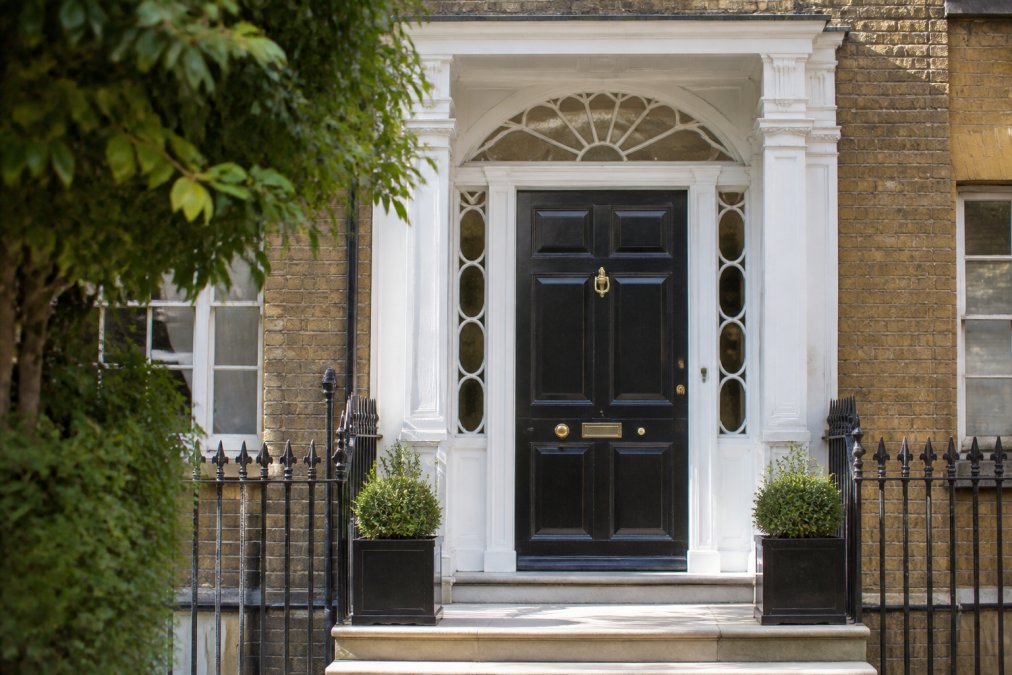
Georgian front door restoration specialists review, repair and reinstate period entrance doors rather than replace them, working to the original construction method. At Arborfield Joinery, a family business trading since 1953, we understand the importance of this approach. A Georgian door is a six-panel timber structure built to be maintained, not discarded.

For a homeowner weighing up a georgian front door, the specialist's job is straightforward: keep the original timber, fix what has failed, and leave the door weathertight and square.
Assessment and Survey
Every credible job starts with a survey, with the door checked in place rather than on a bench, because movement and draughts only show up once it is hung. The specialist looks at moisture content in the bottom rail, the joints, how the door sits in its frame, and whether the hinges have pulled.
A common mistake is skipping this step and quoting from a photograph. The bottom rail tells you more than any picture: if it crumbles under a screwdriver, you are looking at wood rot, not surface damage.
Workshop vs On-Site Work
Minor repairs happen on site.
Exterior Door Frame Repair: What Gets Fixed and What Gets Replaced
Exterior door frame repair saves the frame wherever the timber is sound and replaces only failed sections. A Georgian frame is usually built from substantial softwood or oak, and the damage is almost always at the bottom.
What typically gets repaired:
- Bottom rails and stiles affected by rot
- Split or loose mortice and tenon joints
- Decayed threshold sections
- Cracked or missing mouldings
What usually gets replaced:
- Sections where rot has spread beyond the joint
- Thresholds that have dropped and no longer shed water
- Frame legs where the base has softened past the point of a splice
Period Front Door Restoration Cost: What Drives the Price
Period front door restoration cost depends on four things: the extent of rot, how much of the door is original, the finish specified, and whether the door comes off its hinges. Two doors of the same size can differ substantially in price for those reasons alone. Here are the cost drivers in the order they usually move the final number.
The Four Cost Drivers, Ranked by Impact
1. Extent of rot. Almost always the largest single variable. Surface rot confined to the bottom rail is a splice-and-fill job; rot that has travelled up the stile and into the mortice and tenon joints means cutting back further, re-jointing, and matching new stock to old, the difference between a repair and a rebuild.
Typical Cost Bands
Rather than quote a single figure, specialists price in bands describing the scope of work, because the variables above always move the number.
| Band | Scope | Typical Trigger |
|---|---|---|
| Light refurbishment | Sand back, spot-prime, repaint, adjust hinges and ironmongery | Sound joints, no rot, cosmetic wear only |
| Mid-range restoration | Splice bottom rail or stile, replace threshold, re-glaze, refinish | Localised rot at the base, original door worth keeping |
| Full restoration | Strip to bare timber, structural repair, re-joint, hand-finished paint system | Widespread rot, dropped frame, listed or heritage property |
| Replacement | Bespoke new door to match original profile | Rot beyond splice, previous bad repairs, frame failure |
What a Quote Should Itemise
A restoration quote worth the paper it is written on will itemise at least these lines:
- Survey and assessment (sometimes credited against the work)
- Removal and transport, if the door leaves site
- Timber splicing and joint repair, priced per section
- Rot treatment and preservative application
- Reglazing and putty work, if applicable
- Paint stripping and surface preparation
- Finishing system, with the product named
- Re-hanging, adjustment and ironmongery refitting
Restore vs Replace: The Honest Numbers
Restoration usually costs less than a bespoke replacement and keeps the original wood grain and historical provenance, but it is not always cheaper. If a door has been badly patched before, or the frame has dropped, replacement may be the better long-term spend.
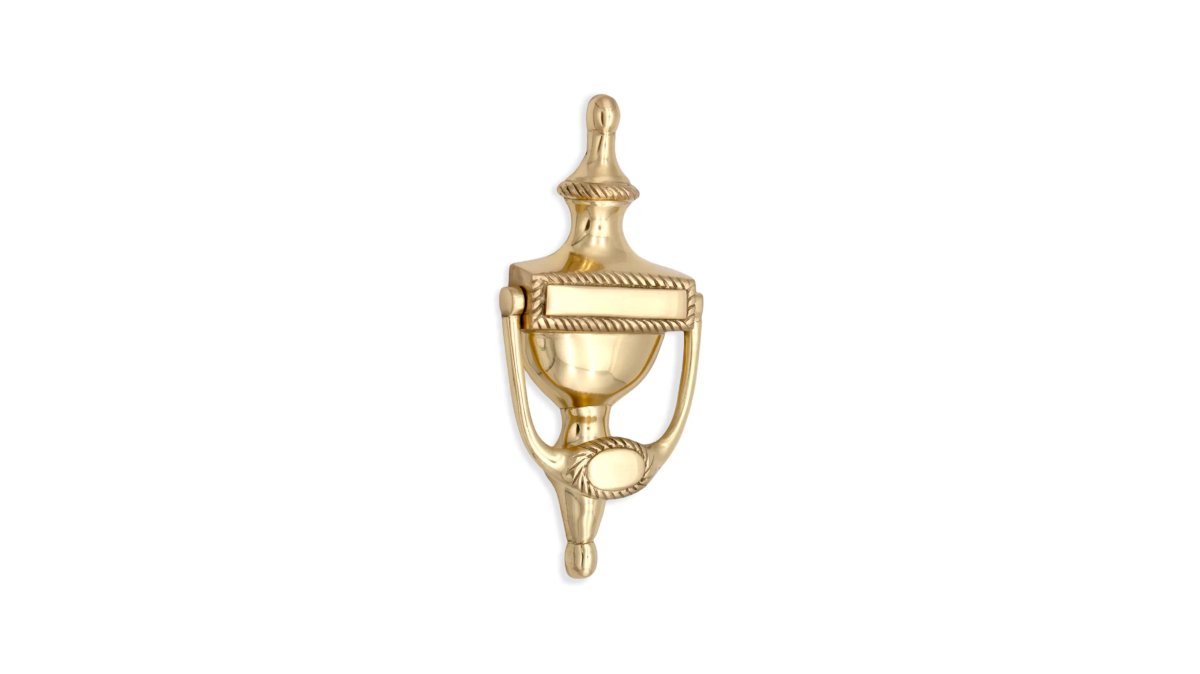
Georgian Door Knocker 150mm Polished →
How to Compare Two Quotes Fairly
Put both quotes side by side and check four things: the scope of timber repair (per section, not per door), the finish system named, whether the door comes off its hinges, and whether re-hanging and ironmongery refitting are included. A quote that is £300 cheaper but excludes re-hanging is not cheaper, and one naming a specific paint system is easier to hold to account than one that says "painted finish".
Timber Repair, Rot Treatment, and Reglazing: The Technical Work Explained
Timber repair starts with cutting back to sound wood, treating the exposed section, and splicing in matching stock. Wood preservation treatments go on before any filling, never after. For smaller voids, epoxy resin repair fills and stabilises the section without removing more original material than necessary.
Hardware and Ironmongery: Sourcing Period-Accurate Fittings
Sourcing period-accurate ironmongery is where many restorations are let down. A beautifully restored door with modern chrome fittings looks wrong immediately.
- Georgian Door Knocker 150mm Polished Brass at £17.65, an urn-shaped solid brass knocker with a twisted rope design
- Georgian Letter Plate 250mm Antique Brass at £44.29, forged brass with a 250x75mm external face
- Georgian Finger Plate 285mm Satin Brass at £21.60, solid forged brass with detailing around the edge
- Georgian Mortice Door Knob Polished Brass at £30.97, cast in solid brass and supplied in pairs
How to Vet a Georgian Front Door Restoration Specialist
Vetting comes down to evidence, not sales patter. Before you pick up the phone, form your own rough view of whether the door is salvageable, that way you can tell an honest assessment from a salesperson steering you toward a replacement.


A Homeowner's Salvageability Checklist
Work through these checks before you request a survey. You are not diagnosing the door, you are gathering evidence to ask better questions.
Reading the Results
- Sound timber, tight joints, even gaps: a light refurbishment is likely all that is needed.
- Localised rot at the base, sound joints above: a splice-and-repair job, still worth restoring.
- Rot in more than one section, or a dropped frame: a full restoration, and you should get at least two surveys before committing.
- Widespread rot, previous bad repairs, frame failure: replacement may genuinely be the better spend, and a specialist who tells you so is being honest, not lazy.
The point of the checklist is not to replace the survey but to make you a harder person to sell to. A specialist who surveys the door and reaches the same conclusion you did is worth trusting.
Five Questions That Separate Specialists from Generalists
Once you have your own read on the door, put these to anyone you are considering:
- Will you survey the door in place before quoting?
- What is the moisture content of the timber you plan to work on?
- Which sections will you splice, and which will you replace?
- Do you work to traditional methods or modern filler systems?
- Can you source period-accurate ironmongery to match?
What to Ask For as Evidence
Ask for photographs of completed work on a property of a similar age, and ask what was repaired versus replaced. A specialist who can show a before-and-after of a bottom rail splice, with the new timber visible before finishing, is showing you the work rather than the result. Ask what happens if the survey reveals more rot than expected, a clear answer tells you how the final bill will be handled.
Frequently Asked Questions
How much does it cost to restore a front door in the UK?
Costs vary with the extent of work. Minor repairs like sanding, priming, and repainting a Georgian front door typically start around £300 to £600. More involved restoration, including timber repair, rot treatment, and reglazing, usually falls between £800 and £2,000. Full structural restoration with new sections and period-accurate hardware can exceed £2,500. Always get a detailed written quote that itemises labour, materials, and any hardware.
What are the common signs that a Georgian front door needs professional restoration?
Look for soft or crumbling timber at the bottom rail, cracked or missing glazing putty, a door that sticks or drags, visible wood rot around the frame, and flaking paint that exposes bare wood. Draughts around the edges and difficulty locking the door also point to frame movement. If you can push a screwdriver into the timber and it sinks easily, the wood rot is advanced enough to need specialist attention.
Is it more cost-effective to restore a period door or replace it with a replica?
Restoration usually costs less than a bespoke replica, especially when the original door has solid timber and sound joints. A replica in matching period style often runs £1,500 to £3,000 or more. Restoration also preserves the original wood grain and historical provenance, which adds character that a new door cannot replicate. Replacement only makes financial sense when the door is structurally beyond repair or has been heavily altered.
What specific techniques do specialists use for Georgian door timber repair?
Specialists cut out decayed sections and splice in matching timber using traditional joinery methods. They treat remaining sound wood with preservative, then fill deeper voids with epoxy resin repair compounds that harden and accept paint. For structural sections, they may use dutchman patches or replace entire rails. Sanding and priming follow before hand-finished painting. The aim is to retain as much original material as possible while restoring structural integrity.
Share:
6 Panel Internal Doors: Timeless Style for UK Homes
Oak Door Threshold Strips: The Essential Buying Guide for a Flawless Finish