

Table of Contents
- Why Choose Alternative Suppliers for Doors, Windows & Stairs
- Internal vs External Doors: What Your Project Needs
- Timber Alternative Windows and Modern Solutions
- Bespoke Joinery Manufacturers vs Mass Production
- Building Regulations for Staircases and Compliance
- Supply-Only Services: Cost Savings and Flexibility
- Made-to-Measure Solutions for Non-Standard Openings
- Maintenance and Longevity: Which Materials Last
- Frequently Asked Questions
Last Updated: September 1, 2026
Why Choose Alternative Suppliers for Doors, Windows & Stairs
Most homeowners default to big-box retailers for convenience, but this often leaves you with standard products that don't fit non-standard spaces, underperform, or lack character. Alternative suppliers offer genuine advantages: access to bespoke joinery for irregular openings, premium materials without retail markups, and expert guidance tailored to your property's specific needs. Whether you're restoring a Victorian terrace or designing a contemporary extension, the right alternative supplier makes solutions possible that mass-market retailers cannot.
Internal vs External Doors: What Your Project Needs
Internal and external doors serve fundamentally different purposes. External doors must withstand weather, provide security, and meet building regulations for thermal efficiency. Internal doors focus on aesthetics, sound insulation, and spatial flow while complying with fire safety standards in certain applications.
Internal doors offer design impact through flush, panelled, or glazed options. The Building Safety Act guidance sets specific fire-rated door requirements in multi-storey residential buildings. In period properties, timber options with heritage styling maintain authenticity while meeting modern standards. Our Oak Flush Internal Door Set at £1,148.75 exemplifies this: solid engineered core construction, adjustable lippings for precision fitting, and pre-finished to 35% gloss suitable for traditional and contemporary interiors.
External doors require weather resistance, thermal performance, and security compliance. Building regulations mandate specific U-values and PAS 24 security testing. Timber external doors offer superior thermal mass compared to cheaper alternatives and age beautifully rather than degrading.
Timber Alternative Windows and Modern Solutions
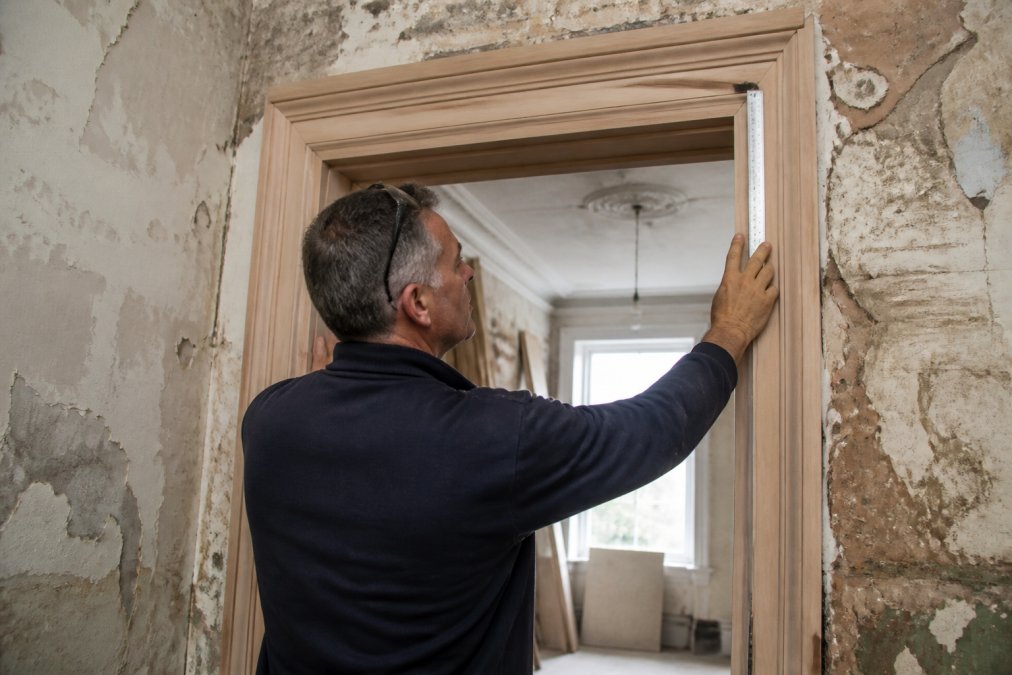
Timber windows have experienced a genuine renaissance because their performance and aesthetics outperform alternatives in ways that matter. Timber windows offer thermal efficiency through natural insulative properties, allowing slimmer sight lines than UPVC whilst maintaining performance. They accept stains and finishes that evolve with your home's character. A timber sash window in a Georgian townhouse looks authentic because it is authentic in proportion and construction.
Maintenance differs significantly: timber requires repainting or re-staining every 7-10 years depending on exposure, while UPVC requires virtually no maintenance but cannot be refinished if the original colour fades. For alternative suppliers, this distinction shapes their product range. Arborfield Joinery stocks both options because the right choice depends on your property type and priorities. In listed buildings or conservation areas, timber is usually the only option planning authorities will approve.
Heritage and period style windows require bespoke manufacturing or specialist stock. Flush fitting sashes, vertical sliders with period-appropriate glazing bars, and casement windows with traditional hardware are rarely carried by mass-market suppliers. The Historic England guidance on window replacement provides detailed standards for period properties, and compliance typically requires working with suppliers who understand these specifications.
Bespoke Joinery Manufacturers vs Mass Production
The gap between bespoke joinery manufacturers and mass production is fundamental. Mass production optimises for volume, standardisation, and cost efficiency. Bespoke joinery optimises for precision, customisation, and performance in specific applications.
When you order from a bespoke joinery manufacturer, your specifications drive the manufacturing process. If your Victorian terrace has window openings that vary by 15mm across the width, entirely normal in period properties, a bespoke manufacturer creates frames that account for that variation. Mass production produces standard sizes and expects installation to absorb gaps through shimming and caulking, often resulting in visible and functional compromises.
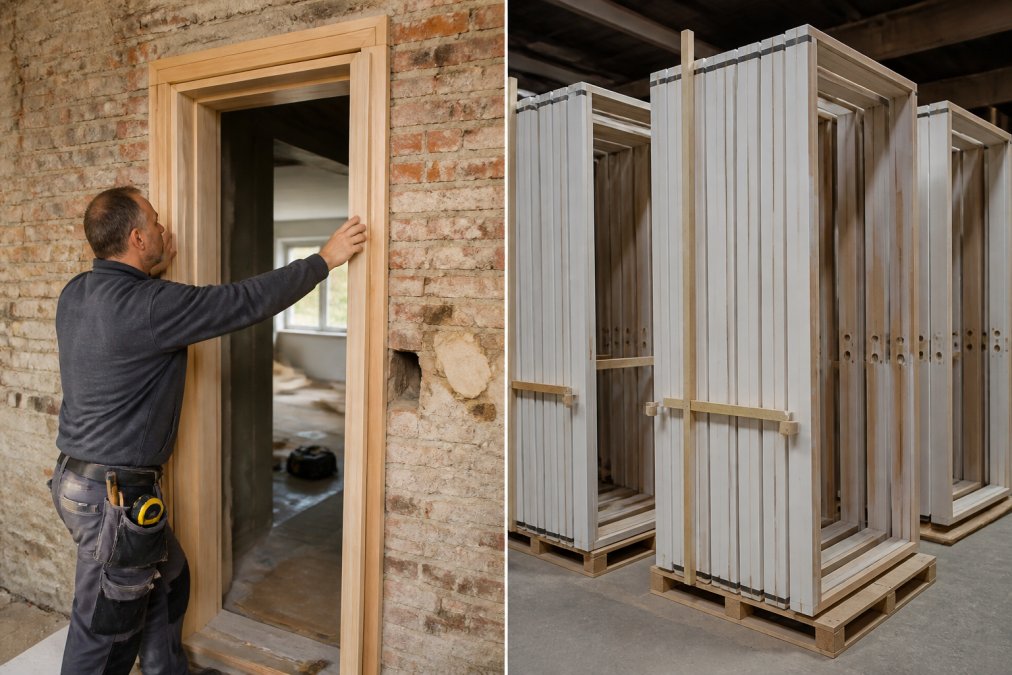
Bespoke joinery allows material selection that mass production doesn't offer. You can specify timber species based on existing woodwork, choose specific veneer grades, select hardware that suits your aesthetic, and request finishes that aren't standard. Bespoke manufacturers employ skilled joiners who make decisions during manufacturing that mass production cannot, decisions about grain orientation, joint construction, and finishing techniques that ensure products last decades.
For significant renovation projects, the question isn't whether bespoke joinery costs more, it does, but whether mass production can actually deliver what you need. In non-standard situations, bespoke is often the only option that works.
Building Regulations for Staircases and Compliance
Staircases are heavily regulated, with compliance requirements varying depending on whether you're building new, extending, or replacing an existing staircase. The Building Regulations Technical Guidance specifies detailed requirements for stair dimensions, handrail heights, balustrade safety, and materials.
All stairs must have handrails, balustrades must prevent a 100mm sphere from passing through gaps (safety critical for children), and treads must have consistent dimensions. Rise heights must be between 150-220mm, and going (tread depth) must be between 220-300mm. These are mandatory requirements.
In period properties and listed buildings, replacing a staircase with a modern design that technically complies often conflicts with conservation requirements. Listed building consent and planning permission frequently require replacement staircases maintain the character and proportions of the original. Alternative suppliers with heritage expertise understand how to manufacture staircases that satisfy both building regulations and conservation standards. custom timber options.
Material choice affects compliance too. Open-riser staircases must meet specific balustrade requirements that closed-riser designs don't. Timber staircases require fire-resistant treatments in certain applications. An alternative supplier who understands building regulations helps you navigate these decisions rather than discovering compliance issues during inspection.
Supply-Only Services: Cost Savings and Flexibility
Supply-only services offer genuine savings for builders, contractors, and experienced homeowners. When you buy supply-only, you purchase products without labour, site management, or project coordination. Removing installation labour, site supervision, and project management overhead typically reduces total project cost by 20-35% depending on scope.
Supply-only arrangements let you coordinate timing precisely with your project schedule. If your builder needs doors on-site by a specific date, you arrange delivery to match that requirement. You can mix products from multiple sources if your project requires specialist items. You maintain control over quality assurance and installation standards.
The trade-off is responsibility. You must manage installation quality, handle damage claims, coordinate logistics, and troubleshoot problems. For homeowners unfamiliar with building projects, supply-only might create more stress than it saves. For builders and experienced renovators, it's the efficient, cost-effective approach. Arborfield Joinery's free UK mainland shipping on orders over £900 amplifies this advantage.
Made-to-Measure Solutions for Non-Standard Openings
Non-standard openings are where alternative suppliers prove their worth. Period properties, loft conversions, and unusual architectural features frequently present openings that don't align with standard product dimensions. Mass-market suppliers cannot serve these situations; their products come in fixed sizes.
Made-to-measure solutions start with precise site measurement that accounts for out-of-square openings, sloping walls, and variations in dimension across the opening's height and width. A professional measurer identifies these variations and communicates them to the manufacturing team. The result is a product that fits your space properly and performs as designed.
Bi-fold door systems exemplify this advantage. A standard bi-fold might come in widths of 1500mm, 2000mm, or 2500mm. If your opening is 1847mm, mass production cannot serve this. A made-to-measure manufacturer builds your bi-fold to 1847mm, fitting perfectly. Our Bi-fold Oak Vancouver Pre-Finished at £257.75 represents this approach, engineered for strength and finished ready to install.

Roomfold systems offer similar flexibility. The Roomfold 3+1 Unfinished Oak at £334.50 and Roomfold 4+1 at £447.50 can be cut down to suit various sizes, providing space-saving room division that adapts to your actual dimensions.


Made-to-measure also encompasses material and finish selection. If you need windows matching existing timber in your property, a bespoke manufacturer can source and match the timber species. If your project requires specific hardware, finishes, or glazing configurations, made-to-measure accommodates these requirements.
Maintenance and Longevity: Which Materials Last
Material choice profoundly affects maintenance requirements and product longevity. Timber doors and windows require periodic maintenance but deliver longevity spanning decades when cared for properly. A well-maintained timber window functions for 40-50 years or longer. Maintenance involves repainting or re-staining every 7-10 years depending on exposure. The advantage is that timber can be refinished, repaired, and adapted as needs change.
UPVC requires virtually no maintenance but typically reaches 25-30 years before frames become brittle, seals fail, or operation becomes sluggish. Replacement is usually necessary rather than repair. UPVC doesn't accept traditional repair techniques, and the environmental cost of disposal is significant.
Steel-framed glazing offers slim frames and clean aesthetics but requires regular maintenance to prevent rust. Longevity can exceed 50 years with proper maintenance.
Flush doors in timber construction, such as our Light Grey Ash Flush Internal Door Set at £1,168.75, combine solid engineered cores with veneer faces. This construction resists warping better than solid timber and typically lasts 20-30 years in residential use.
Choosing doors windows stairs alternative suppliers means prioritising fit, quality, and longevity over convenience and price alone. Whether you need made-to-measure solutions for non-standard openings, bespoke joinery that matches your property's character, or supply-only arrangements that give you cost control, the right alternative supplier transforms your project from compromise to success.
At Arborfield Joinery, we've helped homeowners, architects, and builders navigate these decisions for over 70 years. Our stock ranges from premium products from leading manufacturers to full bespoke manufacturing capability, and our team provides expert advice that helps you choose what actually suits your property. Shop now and discover why alternative suppliers matter.
| Material | Maintenance | Longevity | Best For |
|---|---|---|---|
| Timber | Periodic repainting (7-10 years) | 40-50 years | Period properties, character-driven projects |
| UPVC | Minimal cleaning only | 25-30 years | Modern builds, low-maintenance priorities |
| Steel-framed | Regular inspection, rust prevention | 50+ years | Contemporary design, slim-frame aesthetics |
| Engineered timber | Occasional refinishing | 20-30 years | High-traffic internal doors, durability focus |
Frequently Asked Questions
What are the key differences between internal and external doors when choosing alternative suppliers?
Internal doors focus on aesthetics, sound insulation, and fire safety compliance, while external doors prioritise weather resistance, security, and thermal efficiency. Alternative suppliers often specialise in one category. Internal options like flush doors (£1,148-£1,186) from quality manufacturers offer solid cores for durability. External doors must meet PAS 24 security testing and Building Regulations. When sourcing alternatives, clarify whether your project needs internal or external specification to avoid costly returns.
How do bespoke joinery manufacturers differ from standard suppliers?
Bespoke joinery manufacturers create custom-made products tailored to your exact specifications, ideal for period properties with non-standard openings or unique architectural requirements. Standard suppliers offer fixed sizes and designs. Bespoke options cost more upfront but eliminate gaps, drafts, and fitting issues common with off-the-shelf solutions. They provide expert advice on materials, heritage finishes, and compliance with period property standards. For Victorian terraces or listed buildings, bespoke joinery ensures authentic aesthetics and proper performance.
What building regulations apply to staircase installation?
Staircases must comply with Building Regulations Part K (Safety) and Part M (Accessibility). Key requirements include handrail height (between 900-1000mm), tread depth (minimum 250mm), rise height (maximum 220mm), and balustrade strength. Regulations differ for new builds versus alterations. Approved Document M requires accessible step design for inclusive homes. Alternative suppliers of staircases should provide evidence of compliance testing and documentation. Non-compliant installations can fail building control inspections and affect property insurance and resale value.
Are timber alternative windows as durable as traditional timber windows?
Modern timber alternative windows, including engineered timber and composite options, often outperform solid timber for durability. They resist warping, rot, and weathering better than untreated timber, require less maintenance, and typically carry 10-year warranties. Traditional timber windows need regular repainting and sealing to prevent damage. Engineered cores with timber veneers offer the aesthetic of authentic wood with superior performance. For period properties, timber alternatives maintain heritage appearance while reducing maintenance burden and improving thermal efficiency through modern glazing units.
How do supply-only services help with budget and project timelines?
Supply-only alternatives remove installation labour costs, allowing you to hire your own contractors or manage installation yourself. This approach suits experienced builders and those with flexible timelines. Many suppliers offer free delivery on orders over £900, reducing logistics costs. However, you assume responsibility for correct ordering, storage, and installation quality. Supply-only services often stock standard items immediately, reducing lead times compared to bespoke manufacturing. For tight budgets, this model works well; for complex projects needing expert guidance, full-service suppliers provide better value.
This article was written using GrandRanker
Share:
Internal Walnut Glazed Doors: The Premium Homeowner’s Guide 2026
Guide to Internal Doors and Frames for Your Home