
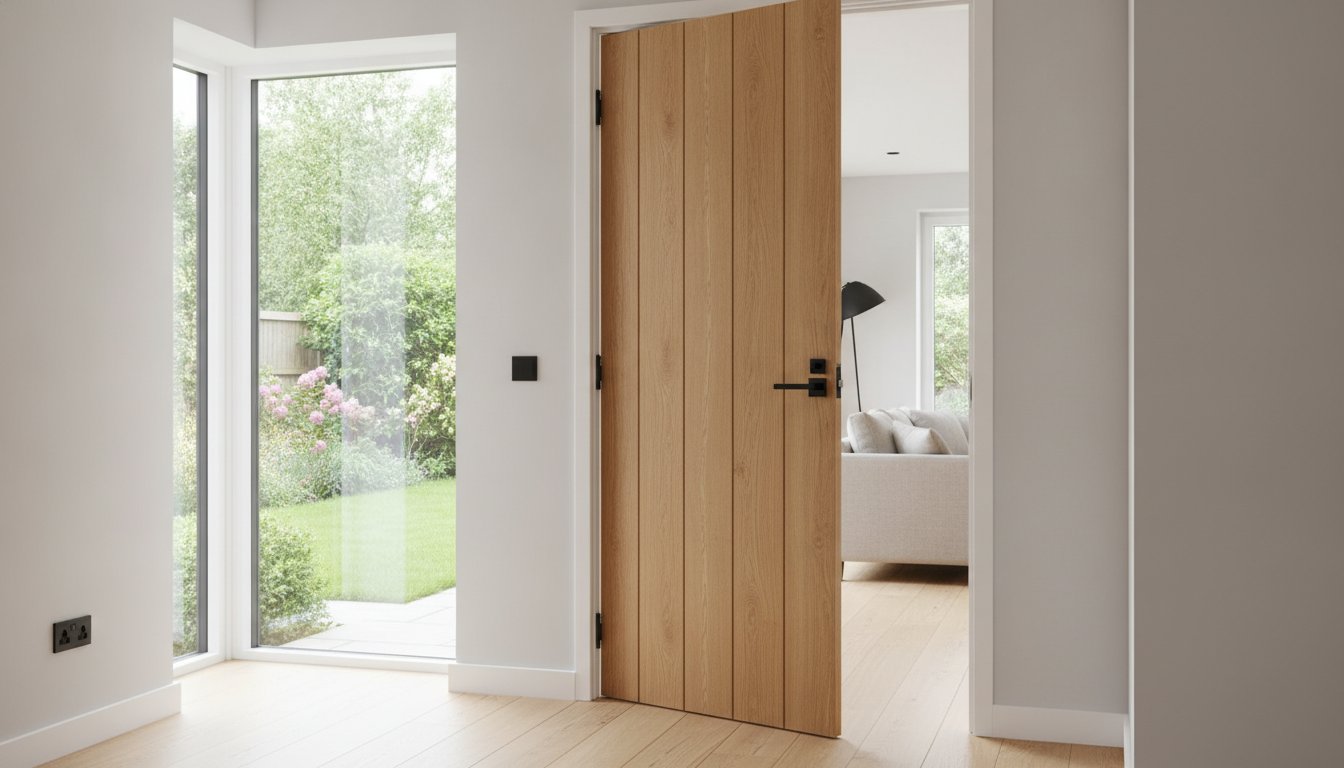
Can a single architectural detail really transform a sterile modern room into a space that feels like it has a story to tell? Many homeowners find that despite their best efforts with paint and furniture, their interiors still lack a certain depth and soul. It is a common frustration; you want your home to feel inviting and grounded, yet standard, characterless doors often leave a property feeling more like a showroom than a sanctuary. Choosing the right cottage style internal doors is about more than just aesthetics; it is about finding that perfect balance between traditional charm and the reliability of modern engineering.
We understand that you want a home that feels warm and established without the headache of doors that warp or stick over time. In this guide, you will discover how to choose the perfect cottage style internal doors to bring timeless character and warmth to your home. We will walk you through the nuances of oak and walnut finishes, explain the practical differences between unfinished and pre-finished options, and provide expert insight into the latest 2026 fire safety standards. By the end, you will have the confidence to select durable, high-quality joinery that serves as a beautiful focal point for years to come.
Key Takeaways
- Identify the core features of the cottage look, including vertical plank effects and deep grooves, to ensure your new doors provide authentic rustic charm.
- Compare the benefits of oak, walnut, and white primed materials to find the most durable and visually appealing cottage style internal doors for your specific interior.
- Learn how to use glazed panels to enhance natural light flow in darker hallways whilst maintaining the privacy your home requires.
- Understand the latest 2026 fire safety regulations and measurement techniques to ensure a perfect, compliant fit for your existing door frames.
- Discover why investing in sustainably sourced, high-quality timber joinery increases your property's long-term value and reduces future maintenance needs.
Defining the Cottage Style Aesthetic for Modern UK Homes
The Origins of Ledge and Brace Designs
Historically, the Ledge and Brace door was a necessity in rural outbuildings and farmhouses. The horizontal ledges and the diagonal brace formed a "Z" frame that prevented the heavy timber planks from sagging under their own weight. Whilst original versions were often draughty, modern joinery techniques allow us to mimic this iconic silhouette using engineered cores and high-quality veneers. This ensures the door remains structurally stable and perfectly square within its frame, even in centrally heated homes. The Ledge and Brace style stands as a definitive hallmark of British rural architecture, offering a rugged, authentic feel that contemporary alternatives often struggle to replicate.
Mexicano vs. Suffolk: Which Style Suits You?
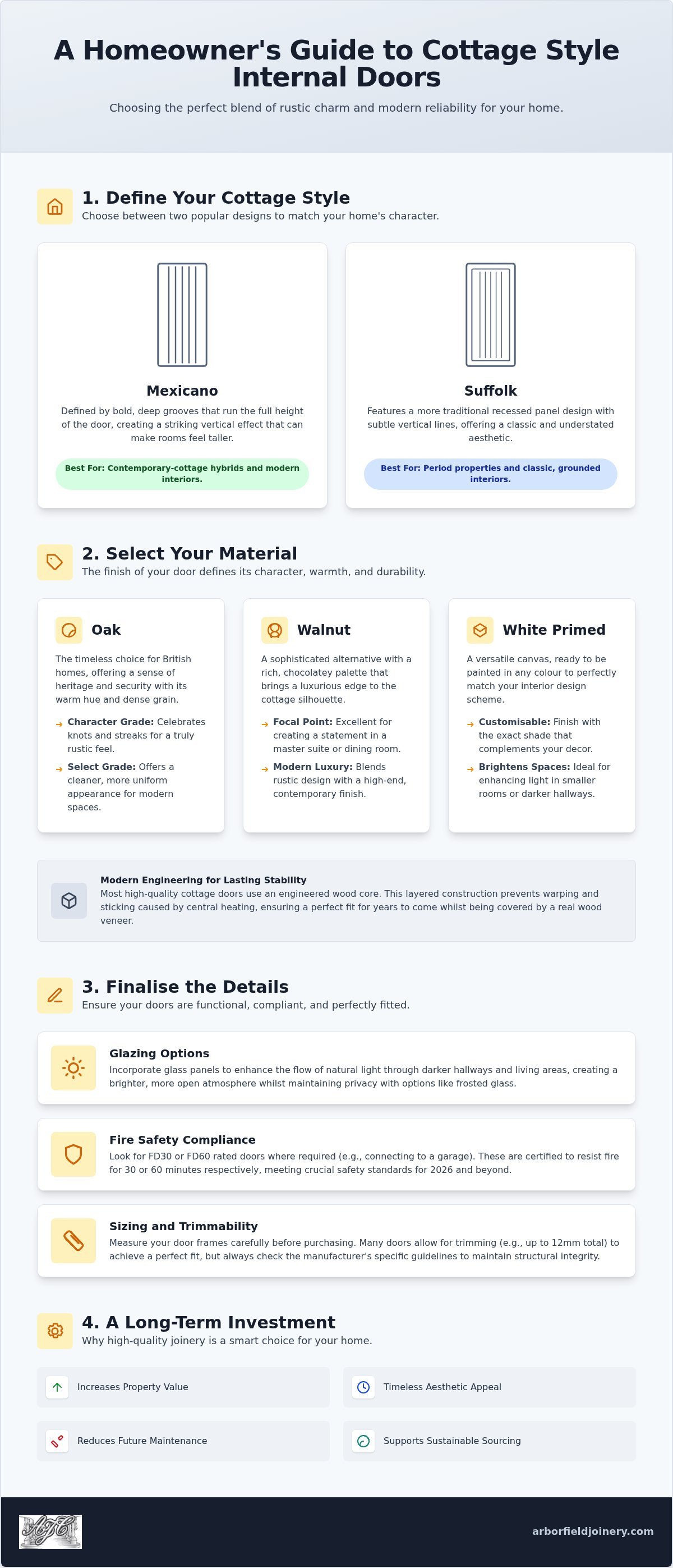
When choosing cottage style internal doors for a modern interior, you'll likely encounter the Mexicano and Suffolk designs. The differences are subtle but impactful. The Suffolk door typically features a more traditional recessed panel look with vertical lines, whereas the Mexicano is defined by its bolder, deeper grooves that run the full height of the door. This creates a striking verticality that can make a room feel taller and more structured.
The Mexicano has become a firm favourite for contemporary-cottage hybrids because its clean lines complement modern skirting and architraves perfectly. When selecting your door, consider your ceiling height; a five-panel design often creates a sense of width and groundedness in standard rooms, whilst a six-panel variant can draw the eye upwards in properties with higher ceilings. These designs transition effortlessly between the character of a period cottage and the crisp finish of a new-build, proving that rustic elegance is truly versatile.
Material Matters: Choosing Between Oak, Walnut, and White Primed
Selecting the right material is the most critical decision in your journey towards a rustic aesthetic. While the term "cottage" suggests a traditional build, modern cottage style internal doors are often high-tech marvels designed to withstand the rigours of 21st-century living. The primary challenge in many UK homes is central heating; constant temperature fluctuations can cause solid timber to expand and contract. To combat this, most contemporary designs utilise an engineered wood core. This construction provides exceptional stability, ensuring your doors remain perfectly aligned whilst retaining the beautiful real wood veneer on the surface.
The Timeless Appeal of Internal Oak Doors
Oak has long been the preferred choice for British homeowners, and for good reason. Its dense grain and warm hue offer a sense of security and heritage that few other timbers can match. When browsing, you will encounter different grain variations that define the door's personality. Character grade oak celebrates the "imperfections" of the wood, such as knots and darker streaks, which are perfect for a truly rustic feel. Conversely, select grade oak offers a cleaner, more uniform appearance. For a deeper dive into these nuances, you might find the ultimate guide to internal oak doors particularly useful.
Premium Alternatives: Walnut and Laminate
If you want to deviate from tradition, walnut offers a sophisticated, chocolatey palette that brings a luxurious edge to the cottage silhouette. It is an excellent choice for creating a focal point in a master suite or a formal dining room. However, for areas where durability is the top priority, laminate internal doors are an increasingly popular alternative. Modern laminates replicate the texture of real wood so convincingly that they are almost indistinguishable from the real thing, yet they offer superior resistance to scratches and moisture in busy households.
For those pursuing a Scandi-cottage or coastal aesthetic, white primed doors provide a crisp, airy foundation. They allow the vertical grooves of the cottage style to catch the light without the visual weight of dark timber. This versatility makes them a favourite for smaller rooms where maximising light is essential. If you are unsure which finish will best complement your existing décor, why not explore our full range of oak doors and walnut designs online?
Glazing and Hardware: Customising Your Cottage Doors
Whilst solid timber offers exceptional privacy, it can inadvertently make smaller UK homes feel somewhat enclosed. Incorporating cottage style internal doors with glazed panels is a sophisticated solution for this architectural challenge. Glazing allows natural light to permeate through the property, preventing dark hallways from feeling claustrophobic. If you want to maintain a view into a landscaped garden or a well-appointed kitchen, clear glass is the ideal choice. However, for bathrooms or home offices where concentration is key, frosted or reeded glass provides the necessary seclusion without sacrificing the flow of light. This balance ensures your home feels open and airy whilst retaining the "cosy" atmosphere that defines rustic living.
Internal Doors with Glass: Practical Considerations
Safety is paramount when selecting glazed joinery. In 2026, all reputable manufacturers ensure that glass panels meet rigorous British safety standards, typically using toughened glass that shatters into small, blunt pieces if broken. Maintaining these doors is simpler than many expect; a quick wipe with a microfibre cloth and a mild glass cleaner keeps the panes crystal clear. Strategic placement of internal doors with glass can transform a cramped cottage layout by creating visual "sightlines" that make the entire floor plan feel more expansive and cohesive. It is a simple design trick that yields significant aesthetic dividends.
Selecting the Perfect Hardware
The right ironmongery acts as the jewellery for your joinery. For those adhering to a strictly traditional "Ledge and Brace" look, black beeswax T-hinges and thumb latches remain the gold standard. They provide an authentic, hand-forged aesthetic that feels at home in a period property. If your home leans towards a contemporary-cottage hybrid, you might prefer more streamlined alternatives. Consider these hardware combinations to elevate your space:
- Satin Nickel or Chrome: These finishes offer a crisp, clean contrast against dark oak or walnut grains.
- Satin Brass: An emerging favourite for 2026, brass provides a warmer alternative to chrome whilst still feeling thoroughly modern.
- Black Lever Handles: A minimalist take on traditional ironmongery that complements the deep vertical grooves of the door.
Choosing hardware that echoes other interior elements, such as light switches or cabinet pulls, creates a unified design language throughout the room. When you pair high-quality cottage style internal doors with well-considered furniture, you transition from a simple renovation to a truly curated living space.
Technical Considerations: Fire Ratings, Sizes, and Trimmability
Measuring your cottage style internal doors accurately is the foundation of a successful installation. In the UK, standard door heights usually settle at 1981mm, but widths can vary between 610mm and 838mm depending on the age of your property. You must measure the opening of your internal doors and door frames at three distinct points: the top, middle, and bottom. Always use the largest width and height measurements to ensure you don't end up with a door that's too small for the aperture. If you're working with an older home, you'll likely find that no two frames are perfectly identical.
Understanding FD30 Fire Ratings
Fire doors are a legal requirement for kitchens, internal doors leading to garages, and rooms leading onto stairwells in three-storey homes. As of August 2026, the BS 8214:2026 standard dictates that fire-resisting systems must be tested as a complete, coordinated unit. This means your door leaf, frame, and hardware must be proven to work together. An FD30-rated cottage door is typically 44mm thick, providing a minimum of 30 minutes of protection, whereas a standard internal door is only 35mm. It's a significant difference that requires a specific fire-rated frame kit to accommodate the extra weight and thickness safely.
Measuring and Trimming Your New Doors
Most modern doors feature an engineered core with a solid timber lipping. This lipping is your "trimming zone." Whilst it allows for minor adjustments to fit non-standard frames, you must be cautious. Over-trimming can expose the engineered core, which compromises the door's structural integrity and voids the manufacturer's guarantee. Typically, you can safely remove around 6mm to 10mm from each edge, but you should always consult the specific technical data sheet for your chosen model before you start cutting. If your frame is significantly out of alignment, it's often better to replace the frame than to over-trim a high-quality door.
Before you commit, decide whether you prefer pre-finished or unfinished timber. Unfinished doors offer the ultimate customisation, allowing you to match a specific stain or paint colour to your existing furniture. Pre-finished doors are the convenient choice; they arrive factory-treated and ready to hang immediately. This saves time and ensures a professional, uniform finish that's difficult to replicate with a brush at home. Ready to upgrade your home's safety and style? Explore our full range of cottage style doors to find the perfect technical fit for your space.
Why Quality Joinery is a Long-Term Investment for Your Home
Choosing cottage style internal doors isn't just a design choice; it's a commitment to the long-term health and value of your home. In an era of "fast furniture," many homeowners have experienced the frustration of cheap, hollow-core doors that feel flimsy and fail within a few years. Investing in high-quality joinery means you're selecting a product that will age gracefully, developing character rather than deteriorating. Beyond the daily tactile pleasure of a solid, well-weighted door, premium joinery signals to future buyers that a property has been cared for with an eye for detail. This attention to quality can provide a tangible boost to your home's resale value, as discerning viewers often prioritise permanent fixtures like doors, stairs, and windows over temporary decor. To understand how external improvements like a new driveway can similarly enhance your property's appeal, read more about the expert installations from JD Home Improvements & Son Ltd.
For the eco-conscious homeowner, timber remains a far superior choice to synthetic or plastic-based alternatives. Responsibly sourced wood acts as a carbon store, and because it's a natural material, it doesn't require the intensive chemical processing associated with PVC or composite doors. We believe in the philosophy of "buy once, buy well." When joinery is built to last decades rather than years, the environmental footprint of your home improvement project is significantly reduced. Provided it's treated with the correct oils or waxes, well-maintained oak joinery can easily last for fifty years or more, becoming a permanent part of your home's history.
The Arborfield Experience
At Arborfield Joinery, we've been a family-run business since 1953. This heritage isn't just a date on a letterhead; it's a promise of reliability and expertise that has been refined over seventy years. We act as a knowledgeable consultant for our customers, helping you curate your ideal living space with the same pride in craftsmanship that we've held since our first day. We understand that purchasing large items like doors online can feel daunting, which is why we've organised our process to be as reassuring as possible.
From the moment you browse our collection to the day your order arrives, we prioritise service and quality. Our national delivery service is designed specifically for timber products, ensuring your doors are handled with care and arrive at your doorstep in perfect condition. Whether you're renovating a single room or an entire property, our team is here to provide the expert validation you need for your style choices. Ready to start your transformation? Browse our full range of cottage style internal doors today.
Transform Your Home with Authentic Joinery
Bringing character to your home is a journey that begins with the right architectural details. By selecting high-quality cottage style internal doors, you aren't just filling an aperture; you're investing in a piece of craftsmanship that provides lasting warmth and structural integrity. Whether you opt for the rich, sophisticated tones of walnut or the classic appeal of oak, remember that precise measurements and adherence to the latest 2026 fire safety standards are essential for a seamless and compliant finish.
As family-run joinery experts since 1953, we're dedicated to helping you curate a living space that reflects your personal style. We offer free mainland UK delivery on orders over £900, ensuring your premium timber doors arrive safely and efficiently. Our team is highly rated for both craftsmanship and personalised service, so you can make your selection with total confidence. Explore our exquisite range of cottage style internal doors today and take the first step towards a more inviting, elegant interior. Your ideal home aesthetic is well within reach.
Frequently Asked Questions
Are cottage style internal doors only for old houses?
Cottage style internal doors are exceptionally versatile and aren't restricted to period properties. Whilst they naturally complement traditional cottages, they're a popular choice for adding tactile warmth to modern new builds. By introducing vertical lines and natural textures, these doors help break up the clinical feel of contemporary interiors. Whether you're renovating a Victorian terrace or a sleek apartment, the rustic aesthetic provides a grounded, timeless feel that transcends the age of the building itself.
What is the difference between a Mexicano door and a Suffolk door?
The primary difference lies in the groove design and panel structure. A Mexicano door features bold, deep grooves that run the full height of the door, creating a striking vertical effect that suits contemporary-cottage hybrids. In contrast, a Suffolk door typically has a more traditional recessed panel look with vertical lines. Choosing between them depends on your ceiling height and whether you prefer the minimalist structure of the Mexicano or the classic joinery feel of the Suffolk.
Can I get cottage style fire doors for my kitchen?
Yes, you can certainly install cottage style fire doors in your kitchen or other high-risk areas. We offer FD30-rated versions that provide a minimum of 30 minutes of fire resistance. These doors are typically 44mm thick, which is 9mm more than a standard internal door. It's vital to ensure your frame and hardware are also fire-rated to comply with the latest 2026 building regulations, ensuring your safety features don't compromise your home's rustic charm.
Should I choose pre-finished or unfinished cottage doors?
Your choice depends on your timeline and desired level of customisation. Pre-finished doors are factory-treated and ready to hang immediately, offering a professional, uniform finish that's difficult to achieve at home. Unfinished doors are better if you want to apply a specific stain, oil, or paint to match existing furniture exactly. If you're looking for convenience and a flawless surface, pre-finished is usually the favourite amongst homeowners and professional fitters alike.
How much can I trim off a cottage style internal door?
Most engineered cottage doors allow you to trim approximately 6mm to 10mm from each edge. This adjustment is possible because of the solid timber lipping that surrounds the engineered core. However, you must be careful not to cut into the core itself, as this will compromise the door's structural integrity and void your manufacturer guarantee. Always refer to the technical data sheet for your specific model before you begin any trimming to ensure a precise fit.
What type of handles look best on cottage style doors?
Traditional ironmongery like black beeswax T-hinges and thumb latches look authentic on ledge and brace styles. For a more modern take, satin brass or nickel lever handles provide a sophisticated contrast against oak or walnut grains. The vertical grooves of the door often suit minimalist, structured handle designs. Matching your door furniture with other interior elements, such as light switches or cabinet pulls, creates a cohesive and well-considered design language throughout your home.
Are cottage style doors available in walnut or white?
Yes, cottage style doors are widely available in both walnut and white primed finishes. Walnut offers a rich, chocolatey palette that adds a luxurious feel to the rustic silhouette, making it ideal for formal dining rooms or master suites. White primed doors are perfect for coastal or "Scandi-cottage" aesthetics, as they reflect light and make smaller rooms feel more spacious. Both materials provide a stylish alternative for those who want the cottage look without using traditional oak.
Do cottage style doors provide good sound insulation?
Cottage style internal doors offer excellent sound insulation, particularly those constructed with an engineered wood core. Because these doors are denser and heavier than standard hollow-core alternatives, they are much more effective at reducing noise transfer between rooms. This makes them a practical choice for home offices, bedrooms, or playrooms where acoustic privacy is important. When paired with a well-fitted frame, the solid construction helps create a quiet, peaceful environment throughout your property.
Share:
Period Property Windows: Renovation Tips That Work
Best Bespoke Joinery for Architects: 2026 Guide