
Table of Contents
- Why Wood Selection Matters for Exterior Staircases
- Hardwood Versus Softwood: Key Differences
- Best Timber for Outdoor Stairs: Species Comparison
- Wood for Outdoor Stair Treads: Wear and Slip Resistance
- How to Protect Wooden Outdoor Stairs from Weather Damage
- Non-Slip Outdoor Stair Treads: Safety and Maintenance
- Installation and Wood Movement: What You Need to Know
- Common Mistakes When Choosing Exterior Staircase Wood
- Frequently Asked Questions
Last Updated: October 15, 2026
Why Wood Selection Matters for Exterior Staircases
Choosing the right wood for exterior staircases is not a minor detail. The wrong choice leads to rot, warping, splintering treads, and costly repairs within a few years. The right choice gives you stairs that stay safe, look good, and last decades with reasonable maintenance.
Exterior stairs face constant weather exposure. Rain soaks the wood. Frost cracks it. UV light fades and weakens the grain. Freeze-thaw cycles push moisture deep into the fibres, causing expansion and contraction that splits even dense hardwoods. Add foot traffic, and you need wood that resists both decay and wear.
At Arborfield Joinery, we've designed and built custom staircases. We know which timbers survive the British climate and which ones fail. The difference comes down to three factors: natural durability, hardness, and how the wood handles moisture.
This guide covers the timber species that actually work for exterior stairs. We'll explain why hardwood and softwood behave differently, which species resist rot and wear, and the practical steps to keep your stairs safe and sound.
Hardwood Versus Softwood: Key Differences
Hardwood comes from deciduous trees. Softwood comes from conifers. But the names are misleading. Some softwoods are harder than some hardwoods. The real difference is structure.
Hardwoods have denser grain and tighter cell walls. They resist denting and splitting better. They also resist moisture penetration more effectively, which matters enormously for exterior use.
Softwoods are more porous. They absorb water faster and swell more dramatically. This makes them prone to warping and cupping on exposed stairs. However, treated softwoods can work outdoors if the treatment is quality and maintained.
For exterior stairs specifically, hardwood is the stronger choice. It naturally resists the moisture cycles that break down softwood. A quality hardwood staircase can last 30-40 years. A softwood staircase, even treated, typically lasts 15-20 years before significant degradation.
The trade-off is cost. Hardwoods cost more upfront. But over the life of the staircase, the cost per year is often lower because you're not replacing it halfway through.
Best Timber for Outdoor Stairs: Species Comparison
Hardwoods with Natural Durability
Oak is the traditional choice for exterior stairs.
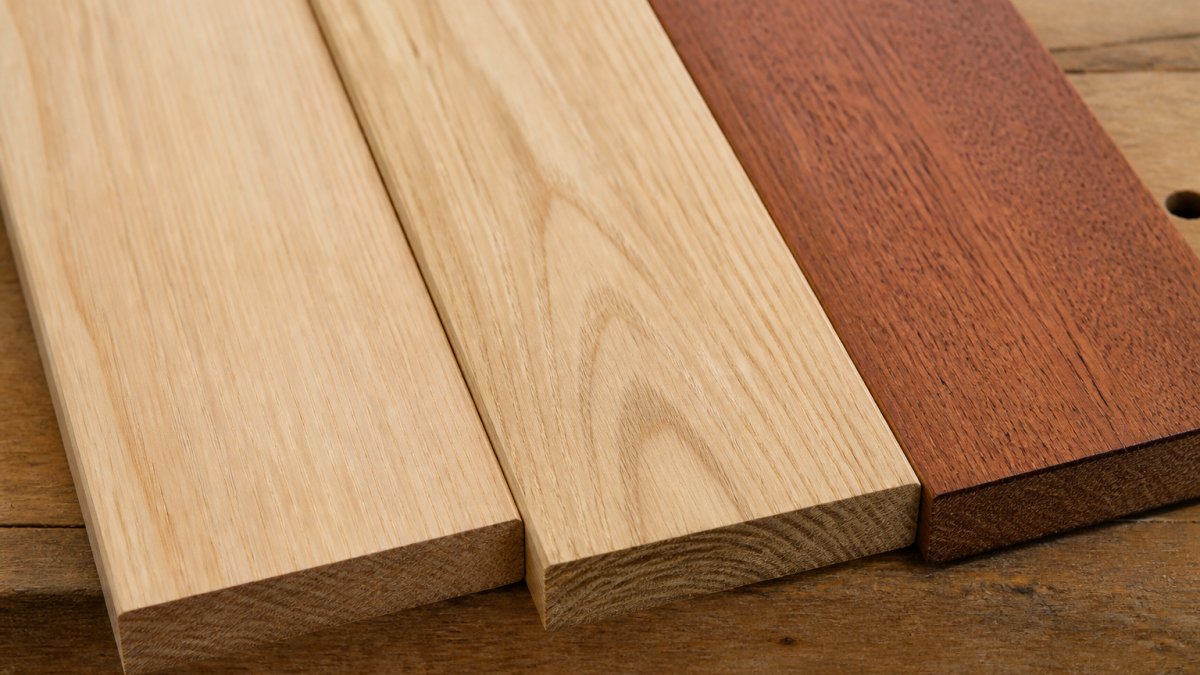
White oak is dense and hard. It resists foot traffic wear better than most timbers.
The drawback is cost. White oak is expensive. It's also heavy, which complicates installation. And it requires regular sealing.
Red oak is cheaper than white oak but less durable outdoors. It lacks the rot resistance of white oak.
Ash is hard and flexible. It resists splitting during installation and seasonal movement. The grain is open and distinctive.
Ash is moderately durable outdoors. It's not as rot-resistant as oak, so it needs reliable sealing.
Cost is moderate. Ash is less expensive than white oak but more than treated softwood.
Walnut is beautiful but not ideal for exterior stairs. It's softer than oak and ash. It's also less rot-resistant.
Sapele (also called sapeli) is an African hardwood increasingly used for exterior joinery.
Sapele is more expensive than oak. It's also less familiar to most builders, so installation may take longer. However, it ages beautifully.
Beech and hickory are hard and attractive but not recommended for exposed exterior stairs. Both absorb moisture readily and swell dramatically.
Treated Softwoods and Alternatives
Pressure-treated pine and hemlock are the budget option. The wood is injected with preservatives that resist rot and insects. Cost is low compared to hardwood.
Treated softwood works for exterior stairs in dry climates or covered applications. In the British climate, with regular rain and freeze-thaw cycles, treated softwood is a compromise. It extends the life of the wood but doesn't match the durability of natural hardwoods.
The treads wear faster than hardwood. After 10-15 years, the surface becomes rough and splintery. The wood also swells and shrinks more noticeably, which can loosen fasteners and create gaps.
Maintenance is more frequent. You'll need to re-seal or re-treat the wood every 2 years to keep the preservative effective.
Black locust is a native hardwood with exceptional rot resistance. It's harder than oak and naturally durable without treatment. It's an excellent choice for exterior stairs, especially in rural or sustainable-minded projects.
Black locust is expensive and difficult to source. It's also prone to checking (surface cracking) as it seasons. However, these checks are cosmetic and don't affect safety or longevity.
Black locust combines durability, hardness, and minimal maintenance.
Wood for Outdoor Stair Treads: Wear and Slip Resistance
Stair treads take the most punishment. They need hardness to resist wear and texture to prevent slipping.
Hardness matters because softer wood dents under repeated footsteps. After a few years, you'll see worn hollows in the traffic path. This looks poor and can create trip hazards. Oak and ash resist this wear. Treated softwood doesn't.
Slip resistance is a safety issue (Slips and trips in health and social care). Smooth, polished wood is dangerous when wet. A person's foot slides off the edge. The solution is texture. Either the wood has natural surface texture (like the open grain of ash), or you apply an anti-slip finish.
Anti-slip finishes include:
- Grit-embedded varnish or sealant
- Textured stain with grip additives
- Separate anti-slip tape or strips (less attractive but effective)
The best approach is to choose timber with natural surface interest (ash or sapele) and apply a matte or satin finish rather than high-gloss. This gives you both grip and durability.
For treads specifically, ash and sapele have more open grain, which provides natural grip.
How to Protect Wooden Outdoor Stairs from Weather Damage
Wood exposed to weather needs protection. The protection system has three layers: wood selection, sealing, and maintenance.
Layer one is the wood itself. Choose naturally durable species (oak, ash, sapele, black locust) or quality pressure-treated softwood. This is your foundation. No finish can save poor-quality timber.
Layer two is the initial sealing. Before installation, the wood should be sealed on all sides. This includes the underside of treads and the inside of joints. Water penetrates through end grain fastest. Sealing end grain is critical.
Use a quality exterior wood sealer or oil. Varnish, stain, and paint all work, but they have different durability. Paint lasts longest but hides the wood's natural appearance. Stain and oil show the grain but need more frequent reapplication.
Layer three is ongoing maintenance. Inspect the stairs twice yearly. Look for:
- Cracks or checks in the wood
- Areas where the finish is worn or peeling
- Soft spots (sign of rot starting)
- Loose fasteners
Re-seal or re-stain every 2-3 years, depending on the finish type and exposure. This is not optional. Skipping maintenance is how exterior stairs fail.
Drainage matters too. Ensure water doesn't pool on the stairs or underneath them. Slope treads slightly so water runs off. Keep gutters and downspouts clear so rain doesn't cascade over the stairs. These small details extend the life dramatically.
Non-Slip Outdoor Stair Treads: Safety and Maintenance
Slipping is the biggest safety risk on outdoor stairs. Wet wood is slippery. Algae and moss growth make it worse.
Anti-slip texture can be built into the wood or added as a finish. The best approach depends on the timber and your aesthetic preference.
Open-grain hardwoods like ash naturally provide grip. The texture of the grain creates friction underfoot. This is often enough. A matte or satin finish enhances this effect.
Smooth hardwoods like oak need additional grip. Options include:
- Textured stain with grit additives
- Anti-slip varnish or sealant
- Separate anti-slip tape or adhesive strips
Anti-slip tape is the most durable and effective. It's also the most visible. Many homeowners accept the look because safety is paramount.
Maintenance of non-slip surfaces is important. Textured finishes trap dirt and algae. Clean the treads regularly with a stiff brush and mild detergent. Pressure washing works but can damage the wood if the pressure is too high.
For tape-based systems, inspect regularly for lifting edges or wear. Replace sections as needed. The tape lasts 3-5 years before needing replacement.
Moss and algae growth is common in damp climates. Prevent it by keeping the stairs in sunlight as much as possible and clearing debris regularly. If growth appears, scrub it off gently. Harsh chemicals can damage the wood or finish.
Installation and Wood Movement: What You Need to Know
Wood moves. It expands in wet weather and contracts in dry weather. This movement is why exterior staircase installation is more complex than it looks.
Fasteners must allow for movement. If treads are fastened rigidly to the stringers, the wood will crack as it swells and shrinks. Screws and bolts should be slightly loose or use slotted holes to permit movement.
Gaps between components should be expected. In summer, treads may be tight to each other. In winter, small gaps appear as the wood contracts. This is normal and not a defect.
The stringer (the side support) moves differently than the treads. The stringer is often oriented with the grain running vertically. The treads have grain running front-to-back. They move in different directions. Installation must account for this.
Professional installation is worth the cost for exterior stairs. A builder experienced with exterior joinery will:
- Select timber with consistent moisture content
- Allow for seasonal movement in the design
- Use appropriate fasteners and spacing
- Seal all surfaces before assembly
- Test the stairs after installation and before handover
At Arborfield Joinery, we design and build custom exterior staircases with these principles built in. Our bespoke manufacturing team understands how timber behaves outdoors and designs accordingly.
Poor installation ruins even the best timber. Gaps that are too large, fasteners that are too tight, or inadequate sealing will cause problems within a year or two.
Common Mistakes When Choosing Exterior Staircase Wood
Mistake one: choosing based on price alone. The cheapest option upfront is often the most expensive over time. Treated softwood saves money initially but requires replacement sooner.
Mistake two: ignoring local climate. A timber that works in a dry region may fail in a wet one. The British climate is damp and variable.
Mistake three: skipping the sealing step. Some builders apply finish only to the visible surfaces. This is false economy.
Mistake four: using interior-grade hardwood outdoors. Beautiful interior hardwoods like beech and ash (when not treated) will fail outside.
Mistake five: neglecting maintenance. Many homeowners install beautiful stairs and then ignore them. Without regular inspection and re-sealing, even the best timber fails.
Mistake six: not allowing for wood movement. Rigid installation causes splitting and warping. Design and install with the understanding that wood moves. Experienced builders know this. Inexperienced ones don't.
Choosing the right wood for exterior staircases comes down to balancing durability, appearance, cost, and maintenance. Hardwoods like white oak, ash, and sapele offer the best long-term value.
The real secret is not just the timber choice. It's proper sealing, thoughtful installation that allows for wood movement, and consistent maintenance.
If you're planning an exterior staircase, work with a joinery supplier who understands timber behaviour outdoors. Our team can help you select the right wood for your project and provide maintenance guidance. Contact us for a consultation and quote on your bespoke staircase project.
Frequently Asked Questions
Which timber lasts longest outdoors for exterior staircases?
Naturally durable hardwoods like black locust, oak, and ash resist rot and insect damage without chemical treatment. Black locust can last 20-30 years or more outdoors. Pressure-treated softwoods offer good durability when properly maintained but typically need re-sealing every 2-3 years. Lifespan depends on climate exposure, maintenance schedule, and finish quality. Arborfield Joinery can advise on the best choice for your specific location and use.
Is pressure-treated timber suitable for exterior staircases?
Yes, pressure-treated softwood is a cost-effective option for exterior stairs when properly sealed and maintained. It resists rot and insects but requires regular sealant reapplication every 2-3 years to remain weather-resistant. Hardwoods offer longer intervals between treatments. The choice depends on your budget, maintenance commitment, and desired appearance. Our team can discuss both options to suit your project.
How do you make wooden outdoor stairs less slippery?
Apply non-slip surface treatments: adhesive-backed grip tape, non-slip paint, or textured sealers designed for stair treads. Ensure proper drainage to prevent water pooling, which increases slip risk. Regular cleaning removes algae and moss growth. Consider treads with grooved or ridged surfaces that channel water away. Maintenance is essential.
What is the best wood species for outdoor stair treads?
Hardwoods with high wear resistance and natural durability work best: white oak, ash, and black locust are excellent choices. They resist denting and splitting under foot traffic and weather stress. Pressure-treated softwood is a budget alternative but wears faster and requires more frequent maintenance. Tread grain should run perpendicular to foot traffic direction for better grip and durability. Arborfield Joinery can help you select and finish treads suited to your climate and traffic level.
Share:
Modernising Internal Doors on a Budget: A Practical 2026 Guide
Are Aluminium Bifold Doors Better Than Timber? A 2026 Comparison