
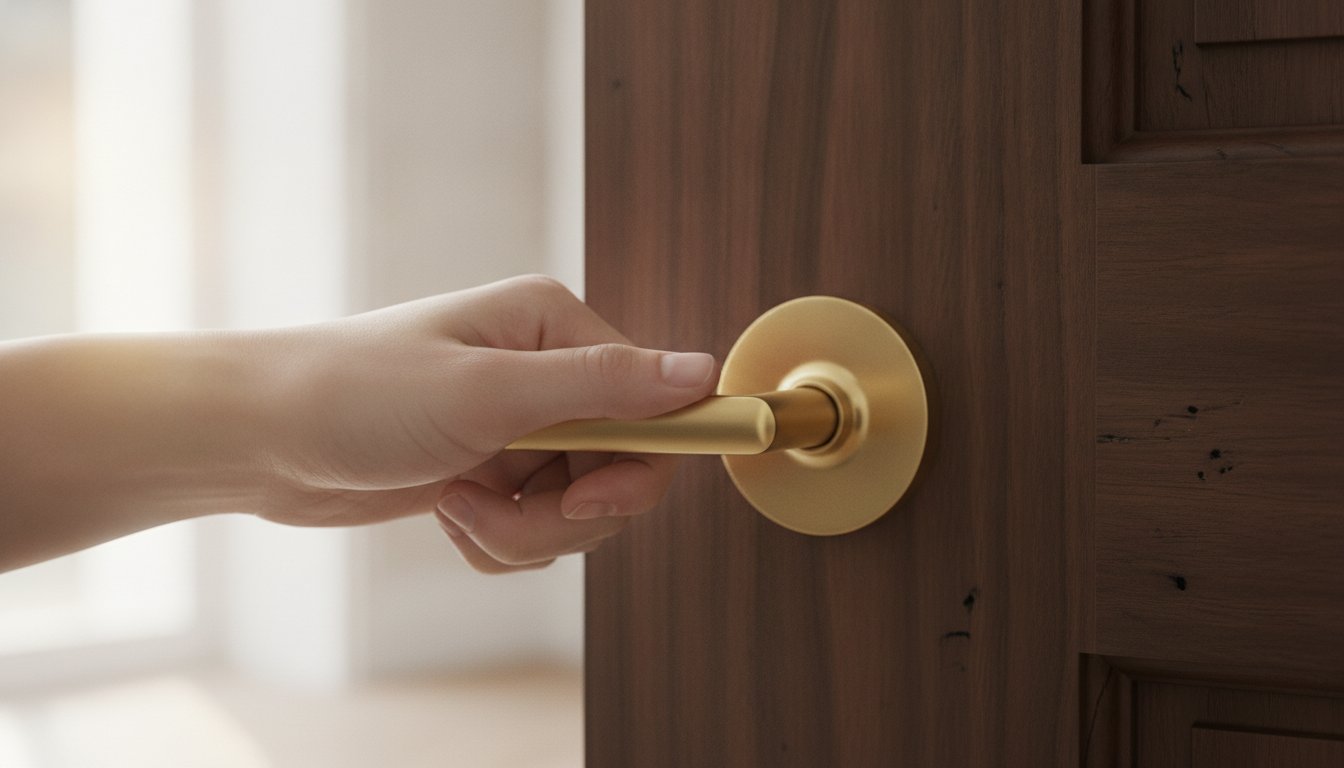
Think of your internal door handles as the "handshake" of a room; they provide the first tactile impression of your home’s quality before you even step across the threshold. It’s a small detail that carries immense weight, yet many homeowners find themselves overwhelmed by technical specifications and the fear of finishes that might tarnish or look cheap. You likely want hardware that feels substantial and reliable under your palm, rather than a hollow component that rattles every time it is turned.
We understand that deciphering terms like "backset" and "spindle size" can turn a simple aesthetic upgrade into a confusing chore. This guide will help you select the perfect internal door handles that balance ergonomic function with your home’s unique interior style, ensuring a cohesive look across every room. We will explore the latest 2026 trends in "quiet luxury" finishes, explain the 2026 building regulations that recommend a handle height of 1000mm, and show you how to match new hardware to your existing timber doors for a professional, high-end result.
Key Takeaways
- Distinguish between lever on rose, backplate, and mortice knobs to ensure your hardware provides the perfect "handshake" for every room.
- Master the art of selecting finishes, from contemporary matt black to timeless brass, to influence the visual warmth and durability of your home's ironmongery.
- Avoid installation errors by learning how to measure the backset and spindle size to ensure your new internal door handles fit your existing latches perfectly.
- Discover the secret to pairing hardware weights and colours with specific timber doors, such as oak or walnut, for a balanced and premium aesthetic.
- Gain professional insights from a heritage joinery specialist with over 70 years of experience in curating high-quality hardware and timber products.
Understanding Internal Door Handle Types: Levers, Knobs, and Roses
Choosing the right hardware is about more than just utility. It's the "handshake" of your room. This first tactile interaction sets an expectation for the quality of the space beyond, influencing how guests perceive your home's overall finish. If a handle feels light or rattles, it diminishes the experience of even the most beautiful oak doors. High-quality internal door handles offer a reassuring weight and smooth operation that speaks to the craftsmanship of your home. Beyond aesthetics, your choice impacts the longevity of the door itself. Correctly fitted hardware prevents unnecessary wear on the timber and ensures the door remains balanced within its frame for decades.
Ergonomics play a vital role in this decision. Lever handles are generally more accessible for households with children or elderly residents, as they require less grip strength to operate. A simple downward push is often enough, whilst a knob requires a twisting motion that can be difficult for some. This functional aspect is why levers remain the dominant choice for most modern renovations. By selecting the right type, you aren't just decorating; you're curating an environment that is comfortable for everyone who lives there.
Lever on Rose vs. Lever on Backplate
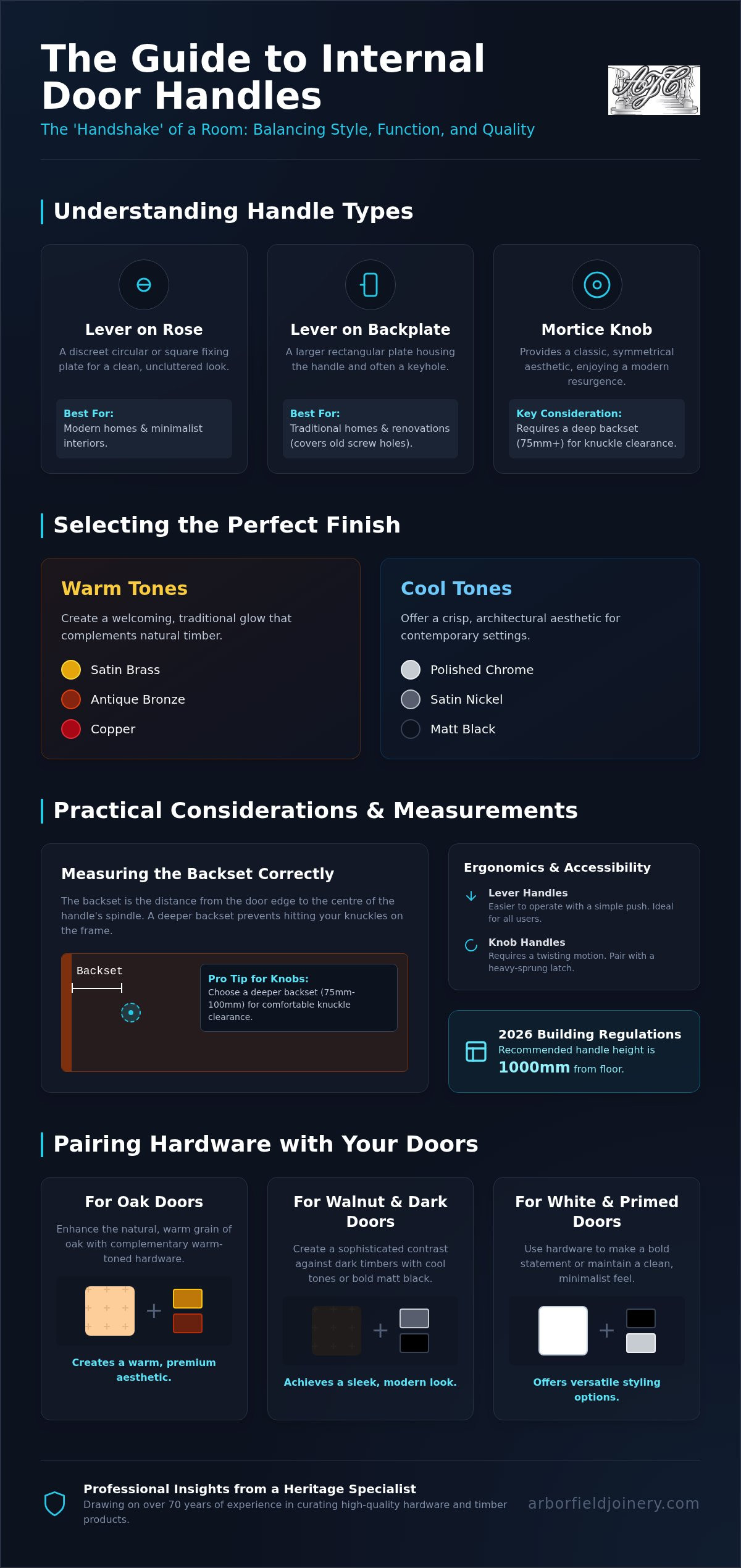
Levers on rose feature a small, discreet circular or square fixing plate. This design is incredibly popular in modern UK flats and minimalist interiors because it offers a clean, uncluttered look that lets the door's natural grain stand out. Conversely, levers on backplate use a larger rectangular plate that houses both the handle and often a keyhole or thumbturn. These are ideal for traditional homes or when you're renovating; the larger plate easily covers old screw holes or indentations left by previous hardware. When you explore different door handle types and materials, you'll see how these variations cater to both aesthetic preference and practical necessity.
The Return of the Mortice Knob
Mortice knobs are enjoying a significant resurgence, particularly amongst those restoring period properties or heritage cottages. They provide a classic, symmetrical aesthetic that levers simply cannot replicate. However, they do require more technical consideration. Unlike levers, knobs don't benefit from natural leverage, so it's vital to pair them with a heavy-sprung latch to ensure they return to their original position. You must also consider knuckle clearance. To prevent hitting your hand against the door frame, we recommend using a latch with a deeper backset, typically 75mm or 100mm, which moves the knob further away from the door's edge. This small adjustment makes a world of difference in daily use.
Selecting the Perfect Finish: From Matt Black to Polished Chrome
The visual temperature of a room is often dictated by the subtle glint of its ironmongery. Warm metals like satin brass, antique bronze, and copper provide a welcoming, traditional glow that complements natural timber beautifully. In contrast, cool tones such as polished chrome or satin nickel offer a crisp, architectural aesthetic that feels at home in contemporary settings. Beyond the colour, you must consider the tactile quality of the hardware. A premium handle should feel substantial and cool to the touch. Avoid lightweight, hollow options that often feel flimsy and fail to provide a satisfying mechanical click. According to standards championed by the Door and Hardware Institute, the integrity of the base material and the thickness of the plating are essential for hardware that withstands the rigours of daily life.
Choosing a finish that avoids "finish fatigue" requires a balance between current trends and timeless appeal. Whilst it's tempting to follow every design fad, a well-chosen, heavy-weight handle in a classic finish will serve your home for decades. If you are unsure which metal will best complement your interior palette, you can always browse our full collection of premium hardware to find a style that resonates with your vision.
Modern Favourites: Matt Black and Satin Brass
Matt black has become the definitive choice for those installing our Urban door styles, providing a sharp, industrial contrast against lighter timbers or white primed surfaces. It's a bold look that remains fingerprint-resistant and easy to maintain. For a more "quiet luxury" feel, satin brass is seeing a significant resurgence amongst homeowners. Some of these brass products are designed as "living finishes", which means they will develop a unique, characterful patina over time as they react with the environment. If you prefer a finish that remains pristine for years, look for products featuring a PVD coating. This Physical Vapour Deposition process is the gold standard for durability, creating a surface that is virtually impossible to scratch or tarnish.
Coordinating Finishes Across the Home
Achieving a cohesive interior requires looking beyond the door itself. We often recommend the "rule of two": limit your home to a maximum of two metal finishes to maintain a sense of visual order. For example, you might pair satin nickel internal door handles with matching light switches and kitchen tapware. This consistency creates a professional, curated feel that ties different rooms together. To simplify this process, you can explore our Pull Handles and Cabinet Furniture range. This allows you to carry a consistent design language from your bedroom doors to your wardrobe drawers and kitchen cupboards, ensuring every detail feels intentional and high-quality.
Pairing Hardware with Your Door Material and Design
The visual weight of your joinery should always dictate the scale of your hardware. A solid, heavy-set door requires a handle that matches its physical presence, whilst a more delicate glazed door benefits from a slimmer profile. If you choose a handle that is too small for a substantial timber door, the proportions will feel off, making the hardware look like an afterthought. Conversely, overly bulky handles can overwhelm simpler door designs. Achieving this balance is what separates a standard renovation from a truly curated home environment. It is also worth considering your architraves; a handle with a large backplate should ideally mirror the lines of the door frame, such as matching a chamfered edge with a similarly bevelled backplate.
Dark metals, such as matt black or oil-rubbed bronze, provide a striking contrast against light-coloured timbers like oak or white-primed surfaces. This juxtaposition draws the eye and highlights the craftsmanship of both the door and the handle. When working with glazed doors, remember that the position of the glass panes may limit the depth of the latch you can use. This often necessitates a shorter backset, which in turn influences which internal door handles will fit comfortably without looking cramped against the glass bead. Planning these measurements early ensures the finished look is clean and professional.
The Best Handles for Internal Oak Doors
Oak remains a firm favourite for its warmth and distinctive grain. To complement the rich, natural texture of internal oak doors, we often recommend brushed nickel or antique brass. These finishes sit comfortably amongst the honeyed tones of the wood without competing for attention. For rustic Ledge and Brace designs, chunky lever handles provide the necessary visual "heft" to match the sturdy construction. If your oak doors feature a sleek, modern pre-finish, consider polished chrome or stainless steel to enhance the contemporary feel and provide a sharp, clean finish.
Hardware for Urban and Industrial Door Styles
Modern industrial interiors demand a different approach. Our "Urban" door range, characterised by narrow stiles and clean lines, pairs perfectly with slimline black internal door handles. These minimalist designs mirror the geometric frames of the doors, creating a unified architectural look. To add a bespoke, high-end feel, look for knurled textures on the grip. This diamond-cut pattern provides a sophisticated tactile experience that feels reassuringly premium under the hand. Finally, matching a square rose with the sharp angles of modern joinery ensures every element of the room feels cohesive and intentional.
Practical Considerations: Latches, Locks, and Measurements
The mechanical integrity of your ironmongery is just as vital as its visual finish. To ensure your new internal door handles operate with a smooth, silent action, you must first master the technicalities of the "backset". This measurement defines the distance from the leading edge of the door to the centre of the spindle hole. UK homes typically utilise either a 64mm (2.5 inch) or 76mm (3 inch) latch. Selecting the incorrect size can leave your handle awkwardly crowded against the frame or stranded too far into the door's face, disrupting the ergonomic flow of the room.
Before purchasing, create a quick checklist of your door's physical attributes. Measure the thickness of the timber; standard doors usually sit at 35mm, but fire doors are almost always 44mm. This distinction is crucial because fire-rated doors require specific hardware that carries a UKCA or CE mark to ensure they don't fail during an emergency. You should also verify that your chosen handle is compatible with an 8mm spindle, which remains the standard across the British joinery industry. Taking these steps prevents the frustration of a handle that rattles or fails to latch securely, preserving the lifespan of your timber doors.
Choosing Between Passage, Privacy, and Sashlocks
Every room has a different functional requirement. "Passage" sets are the ideal choice for communal areas like lounges or kitchens where doors are rarely locked. For bathrooms or master bedrooms, "Privacy" sets are the standard, utilising a thumb-turn on the interior and a separate emergency release on the exterior for peace of mind. If you are securing a home office or a sensitive storage area, a "Sashlock" provides the necessary security by incorporating a keyed deadbolt directly into the latch mechanism.
Measuring for a Perfect Fit
- Step 1: Measure from the door edge to the centre of the spindle hole. This confirms whether you need a standard or deep-backset latch to keep the handle centred on the stile.
- Step 2: Inspect your existing latches for "bolt-through" holes. High-quality lever on rose handles often use these fixings to prevent the hardware from sagging or pulling away from the timber over time.
- Step 3: Verify that the lever length provides enough clearance from the door architrave. A handle that sits too close can lead to grazed knuckles or unsightly scuffs on your decorative moulding during operation.
If you're ready to upgrade your home's hardware but feel unsure about the technical measurements, you can contact our expert joinery team for technical guidance on selecting the right fit for your existing doors.
Standout Selections from the Arborfield Hardware Collection
Choosing the right hardware is a task best undertaken with the guidance of those who understand the timber itself. Since 1953, our family-run business has focused on the relationship between high-quality joinery and the functional art of ironmongery. Our curated collection of 112 pull handles and cabinet furniture items is designed to provide that essential finishing touch to your home. By sourcing your internal door handles from a joinery specialist, you ensure that every lever and rose is technically compatible with the doors you've selected, from the density of the wood to the depth of the mortice.
Ordering is straightforward through our digital storefront, where we offer national UK shipping to bring our heritage quality directly to your doorstep. This allows you to coordinate your hardware choices across the entire property, from the grand entrance of a lounge to the subtle details of a fitted wardrobe. Why settle for mismatched hardware when you can achieve a unified design language that flows from room to room? A cohesive look suggests a level of care and attention to detail that elevates the entire atmosphere of your living space.
Contemporary Pull Handles for Minimalist Interiors
Modern homes often require a sleek, architectural profile that doesn't distract from the clean lines of the joinery. Our contemporary pull handles, frequently finished in satin stainless steel, are particularly suited for high-traffic areas like modern kitchens where durability is paramount. These minimalist designs beautifully complement our range of laminate internal doors, creating a sophisticated look that is both resilient and stylish. The smooth, cool touch of stainless steel provides a reassuring sense of quality with every use, ensuring your wardrobes and cupboards feel as premium as your main passage doors.
Heritage Cabinet Furniture for a Timeless Finish
If your home leans toward a more traditional or "Shaker" aesthetic, our heritage cabinet furniture offers the perfect blend of history and craftsmanship. Traditional cup pulls and solid knobs in aged brass provide a characterful, "heavy-in-hand" feel that mass-produced alternatives simply cannot match. These pieces are designed to age gracefully, developing a unique patina that adds personality to your cabinetry whilst echoing the timeless style of your internal door handles. To complete your home's transformation, we invite you to browse the full Pull Handles and Cabinet Furniture collection and discover the difference that seventy years of joinery expertise makes to the finishing touches of your home.
Curating Your Home’s Final Details with Confidence
Selecting the right hardware is about more than just aesthetics; it's about the daily tactile experience of your living space. By now, you should feel equipped to navigate technical specifications like backset measurements whilst selecting finishes that truly complement your timber doors. Whether you've opted for the striking contrast of matt black or the subtle elegance of satin brass, the right internal door handles provide a sense of permanence and quality that defines a well-considered home. Your space deserves hardware that feels as substantial as it looks.
Arborfield Joinery brings over 70 years of joinery expertise to our curated collection. With more than 112 hardware designs available, we make it simple to achieve a cohesive look across every door and cabinet. To support your renovation journey, we offer free UK mainland shipping on all orders over £900. Explore our full range of internal pull handles and cabinet furniture today and find the perfect finishing touch for your interior. We look forward to helping you create a home that feels complete.
Frequently Asked Questions
Do all internal door handles fit standard UK doors?
Most internal door handles are designed to suit standard UK door thicknesses of 35mm or 44mm. However, you must verify the spindle length and the backset of your latch before purchase. Whilst many products are universal, some designer handles require specific mortice preparations that might not match a standard pre-cut door, so always check the technical drawings provided.
What is the difference between a "latch" and a "lock" for internal handles?
A latch is a spring-loaded mechanism that holds the door closed but doesn't provide security, whilst a lock includes a deadbolt operated by a key or thumb-turn. For most rooms, a simple tubular latch is sufficient. You only need a mortice lock or sashlock for areas requiring privacy or security, such as a bathroom or a home office.
Can I replace my old handles without drilling new holes?
You can often replace handles without drilling new holes if you choose a design with a similar or larger footprint. Lever on backplate designs are particularly effective for this, as they cover existing screw marks and indentations left by previous hardware. Always measure the distance between the existing screw centres to ensure the new hardware aligns with the solid timber sections of your door.
What finish is most popular for internal door handles in 2026?
Satin brass and soft, textured tones like gunmetal or graphite are the leading choices for 2026. The industry has seen a move away from high-shine polished chrome towards "quiet luxury" finishes that feel more organic and refined. These warmer, brushed metals offer a sophisticated look that doesn't show fingerprints as easily as reflective surfaces, making them a practical choice for busy households.
How do I clean and maintain my internal door handles?
The best way to maintain your hardware is to wipe it occasionally with a soft, slightly damp cloth and then dry it immediately. Avoid using abrasive cleaners, bleach, or chemical polishes, as these can strip the protective lacquer or damage a durable PVD coating. For "living finishes" like unlacquered brass, you should let the natural patina develop over time to enhance the character of the metal.
Are lever handles better than door knobs for accessibility?
Lever handles are significantly better for accessibility as they don't require the grip strength or wrist rotation needed for a knob. Under BS 8300-2:2018 guidelines, levers are recommended because they can be operated with a closed fist or even an elbow. This makes them the safer, more inclusive choice for homes with young children or residents with limited mobility.
What does "bolt-through fixings" mean?
Bolt-through fixings are male-and-female screws that pass entirely through the door and the latch to connect the handles on either side. This creates a much stronger bond than standard wood screws which only grip the surface of the timber. It's a hallmark of high-quality ironmongery that prevents handles from sagging or pulling away from the door over years of frequent use.
Should I match my door handles to my kitchen cupboard handles?
Whilst not a strict requirement, matching your door hardware to your kitchen cupboard handles creates a professional, curated aesthetic across the home. This visual link helps to unify different zones, particularly in open-plan living spaces. You don't need an exact match, but staying within the same metal family ensures a harmonious and intentional finish throughout your interior.
Share:
Oak Veneer Internal Doors vs. Solid Oak: The Homeowner’s Comparison Guide
External Doors Guide: Quality, Security & Style 2026