

Table of Contents
- Why Soundproof Internal Doors Matter for Home Offices
- How Soundproof Internal Doors Reduce Noise Between Rooms
- Understanding Acoustic Internal Doors and Sound Reduction Ratings
- Solid-Core Doors for Sound Insulation: The Best Choice
-
Our Top 5 Soundproof Internal Doors: Quick Comparison
- 1. Primed White Flush 20G Fire Door, Best for Modern Offices
- 2. Pre-finished Oak Flush 20G Fire Door, Best for Warm Interiors
- 3. Primed White Flush 16G Fire Door, Best for Extra Durability
- 4. Pre-finished Oak Flush 16G Fire Door, Best for Premium Aesthetics
- 5. Primed White Flush 18G Fire Door, Best Value Option
- Internal Door Acoustic Ratings: What the Numbers Mean
- How to Soundproof an Internal Door: Seals, Gaps, and Installation
- Which Soundproof Door Should You Choose?
- Frequently Asked Questions
Last Updated: October 17, 2026
Why Soundproof Internal Doors Matter for Home Offices
Working from home has become the norm, yet most home offices face one relentless problem: sound travels between rooms. A colleague's video call bleeds into your meeting, children's noise disrupts concentration, and the washing machine runs during your presentation.
Soundproof internal doors solve this by creating acoustic barriers that reduce noise transmission. Unlike hollow-core doors, properly constructed soundproof internal doors use dense materials and sealed construction to block sound before it enters your office.
At Arborfield Joinery, we've helped homeowners and professionals create quieter workspaces. This guide covers the five best soundproof internal doors for home offices and how to choose the right one for your space.
How Soundproof Internal Doors Reduce Noise Between Rooms
Sound travels through air and vibrations. A hollow-core door has empty space inside that acts like an echo chamber, letting sound waves pass straight through.
Mass absorbs sound energy. Heavier doors with solid cores require more energy for sound waves to pass through.
Seals eliminate gaps. Even a perfectly constructed door loses effectiveness if gaps exist around the frame, since air leaks carry sound.
These three elements determine how much noise a door actually blocks. A door rated for sound reduction but installed poorly performs far worse than its rating suggests.
Understanding Acoustic Internal Doors and Sound Reduction Ratings
Sound reduction ratings measure how much noise a door blocks. The standard is the Rw(C) value in decibels (dB): a door with Rw(C) 30 blocks 30 decibels of noise. The difference between Rw(C) 25 and Rw(C) 35 is significant, roughly a halving of perceived loudness.
For home offices, Rw(C) 30 provides noticeable noise reduction, while Rw(C) 35 or higher is ideal for noisy households or confidential calls. The rating assumes proper installation with seals and no gaps.
Test standards vary by region. In the UK, acoustic performance testing follows ISO 10140-2 sound insulation measurement standards. This standardised approach ensures ratings are comparable across manufacturers. When comparing doors, always check that the rating comes from standardised testing, not manufacturer claims alone.
Solid-Core Doors for Sound Insulation: The Best Choice
Solid-core construction is the foundation of effective soundproof internal doors. Unlike hollow-core doors, solid-core doors are filled with dense materials throughout their thickness, preventing sound from passing through.
Core materials vary, from wood-based composites to mineral-based cores, but the key is density: the heavier the core, the more effective the sound blocking. A typical solid-core door weighs 20-30 kg, versus 5-8 kg for a hollow-core equivalent.
Solid-core doors also perform better on other fronts. They feel more substantial, operate more smoothly, and last longer without warping.
The trade-off is weight: installation requires proper hardware and careful handling, so check that your hinges and frame can support the additional weight.
Our Top 5 Soundproof Internal Doors: Quick Comparison
| Door | Construction | Finish | Price | Best For |
|---|---|---|---|---|
| Primed White Flush 20G | Solid engineered core | White primed | £323.90 | Modern offices needing flexibility |
| Pre-finished Oak Flush 20G | Solid engineered core | A-grade oak veneer | £323.90 | Warm, traditional interiors |
| Primed White Flush 16G | Solid engineered core | White primed | £345.40 | Extra durability and longevity |
| Pre-finished Oak Flush 16G | Solid engineered core | A-grade oak veneer | £348.40 | Premium aesthetics with durability |
| Primed White Flush 18G | Solid engineered core | White primed | £316.45 | Best value solid-core option |
1. Primed White Flush 20G Fire Door, Best for Modern Offices
The Primed White Flush 20G Fire Door delivers the balance most home office users need: a solid engineered core with primed white veneer, 30-minute fire certification, and clear glazing for a contemporary look.

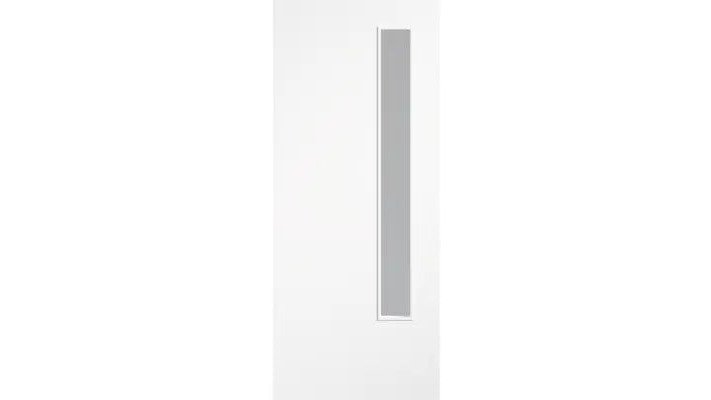
The white primed finish suits any modern office aesthetic and is ready for paint if you want a custom colour.
What works: Solid engineered core reduces noise effectively, the 30-minute fire rating adds safety compliance, and clear glazing lets natural light pass between rooms.
What to watch: The primed finish requires maintenance if exposed to moisture, and the clear glazing reduces acoustic performance slightly compared to a fully solid panel.
Best for: Home office designers who want acoustic performance without sacrificing modern aesthetics or light flow.
2. Pre-finished Oak Flush 20G Fire Door, Best for Warm Interiors
For period properties or traditional homes, the Pre-finished Oak Flush 20G Fire Door offers acoustic performance wrapped in heritage aesthetics.
The oak veneer works particularly well in Victorian terraces, period cottages, or homes with existing oak trim. The pre-finished surface means no painting or staining.
What works: Warm oak aesthetic suits traditional properties. Pre-finished surface saves installation time. Solid core provides reliable sound reduction. The 30-minute fire rating meets safety standards.
What to watch: Oak veneer shows dust and fingerprints more visibly than painted surfaces and can be scratched during installation.
Best for: Home offices in period properties or homes with traditional interior design where acoustic performance must align with heritage aesthetics.
3. Primed White Flush 16G Fire Door, Best for Extra Durability
The Primed White Flush 16G Fire Door steps up durability. The 16G designation means a thicker gauge specification, resulting in a heavier, stronger door.
This door makes sense if you plan to keep your home office for 15+ years or your household sees above-average wear and tear.
What works: Thicker construction resists warping and degradation, additional mass enhances acoustic performance, and the primed finish offers flexibility for custom colours.
What to watch: The additional weight requires strong hinges and frame support, and installation is slightly more complex.
Best for: Home offices in high-traffic households or situations where the door will be used intensively for many years.
Primed White Flush 20G Fire Door →
4. Pre-finished Oak Flush 16G Fire Door, Best for Premium Aesthetics
The Pre-finished Oak Flush 16G Fire Door combines 16G durability with A-grade oak veneer. At £348.40, it's the most expensive option here, but it delivers both longevity and visual impact.
What works: Premium aesthetic elevates the entire office space. 16G durability ensures decades of performance. Pre-finished oak requires no finishing work. Solid core provides excellent acoustic performance.
What to watch: This is the highest-priced option, the premium is significant compared to the 20G oak model. Oak veneer requires regular maintenance and can show dust more readily than painted surfaces.
Best for: Home offices where aesthetics matter as much as function, particularly in premium renovations or heritage properties where the door is a visible design element.
5. Primed White Flush 18G Fire Door, Best Value Option
The Primed White Flush 18G Fire Door offers solid-core acoustic performance at the lowest price point.
The 18G specification sits between the lightweight 20G and the strong 16G: heavier than a hollow-core door, providing genuine sound reduction, but lighter than the premium 16G model.
What works: Lowest price of all solid-core options. Still features solid engineered core for noise reduction. Clear glazing maintains light flow.
What to watch: Not as durable as the 16G model, expect some potential warping or degradation in extreme conditions (very humid spaces, high-traffic areas).
Best for: Budget-conscious home office setups where acoustic performance matters but premium durability isn't essential. Ideal for first-time door replacement or temporary office solutions.
Internal Door Acoustic Ratings: What the Numbers Mean
When comparing soundproof internal doors, acoustic ratings determine real-world performance. The Rw(C) value, weighted sound reduction index, tells you how many decibels of noise the door blocks.
An Rw(C) rating of 30 means the door reduces noise by 30 decibels. Practically speaking, this cuts perceived loudness roughly in half.
Rw(C) 35 provides more substantial noise blocking. A loud conversation becomes a muffled sound.
Ratings above Rw(C) 35 are rare in standard internal doors. Achieving higher ratings requires specialist construction, additional mass, or multiple-door solutions.
One critical caveat: these ratings assume perfect installation. Gaps around the frame, missing seals, or poorly fitted thresholds can reduce actual performance by 5-10 decibels.
How to Soundproof an Internal Door: Seals, Gaps, and Installation
The door itself is only half the equation. Installation quality determines whether you achieve the rated acoustic performance. Three elements matter: perimeter seals, threshold strips, and frame fit.
Compression seals fit around the door frame edges where the door meets the wall.
Threshold strips seal the gap at the bottom of the door, where most sound leaks occur in poorly installed doors.
Frame fit determines whether seals work effectively. If the door frame is warped, twisted, or poorly installed, seals can't compress evenly. The frame must be square, level, and plumb.
Installation steps:
- Measure the existing opening, width, height, and frame condition. Check for warping or damage.
- Prepare the frame, repair or replace if necessary. Ensure it's square and plumb.
- Install compression seals, fit around all four edges of the frame before hanging the door.
- Hang the door, use quality hinges rated for the door weight. Solid-core doors are heavier than standard doors.
- Fit the threshold strip, ensure it compresses fully when the door closes.
- Test the seal, close the door and check for gaps. Light shouldn't be visible around the edges.
- Adjust as needed, hinges may need adjustment to ensure the door closes evenly and the seals compress uniformly.
Many home offices fail to achieve acoustic performance not because the door is poor, but because installation shortcuts compromise the seals.
Which Soundproof Door Should You Choose?
Your choice depends on three factors: aesthetic preference, durability needs, and budget.
For traditional interiors: The Pre-finished Oak Flush 20G Fire Door at £323.90 delivers the same acoustic performance with heritage aesthetics.

For premium aesthetics: The Pre-finished Oak Flush 16G Fire Door at £348.40 combines durability with visual impact, the choice when the door is a design statement.
For budget-conscious solutions: The Primed White Flush 18G Fire Door at £316.45 provides solid-core acoustic performance at the lowest price, sufficient for most home offices.
All five options feature solid engineered cores, 30-minute fire ratings, and clear glazing. The differences are finish, thickness, and price.
Creating a focused, productive home office requires blocking the noise that disrupts concentration. We can advise on which door suits your specific opening, aesthetic preferences, and budget. Shop now to find the right soundproof internal door for your home office, or contact our team for personalised recommendations.
Frequently Asked Questions
Are solid-core internal doors better for soundproofing than hollow-core options?
Yes. Solid-core doors block significantly more sound transmission than hollow-core alternatives. The dense engineered core absorbs vibrations and prevents noise from travelling between rooms, making them essential for home office privacy and concentration. All five options we recommend feature solid engineered cores designed specifically for acoustic performance in residential applications.
What acoustic rating should I look for in an internal door?
Look for doors with a Weighted Sound Reduction Index (Rw) of at least 30 dB for basic office use, though 35 dB or higher provides noticeably better sound isolation. Fire-rated doors like the Flush 20G and 16G models offer enhanced acoustic performance due to their solid multi-layered construction and certified 30-minute fire rating, which inherently improves sound reduction between rooms.
How much difference do door seals and threshold strips make to soundproofing?
Door seals and compression thresholds eliminate the gaps where sound travels most easily. Even the best soundproof internal door loses effectiveness if gaps remain around the perimeter. Installing acoustic seals around the frame and a threshold strip at the base can improve overall sound isolation by 5-10 dB, making the difference between noticeable background noise and a genuinely quiet workspace.
Can I use a standard internal door in my home office, or do I need a specialist soundproof door?
Standard hollow-core internal doors provide minimal sound reduction. For a home office where focus and privacy matter, a solid-core or fire-rated door is worthwhile. The Primed White Flush 18G Fire Door at £316.45 offers a cost-effective entry point with solid engineered construction, while premium options like the Pre-finished Oak Flush 16G (£348.40) deliver superior acoustic performance and durability for long-term use.
Share:
Are Aluminium Bifold Doors Better Than Timber? A 2026 Comparison
Tongue and Groove Internal Doors: Style, Construction and How to Choose