

Table of Contents
- What Makes High-Performance Windows Different
- Real Energy Savings: What You Can Expect
- Window Energy Ratings and Thermal Performance
- Calculating Your Payback Period and Return on Investment
- Window Replacement Cost and Financing Options
- Windows and Home Resale Value
- Beyond Energy: Comfort, Noise Reduction, and Durability
- Timber Window Maintenance and Long-Term Performance
- Frequently Asked Questions
Last Updated: October 13, 2026
What Makes High-Performance Windows Different
High-performance windows minimise heat loss, cut energy consumption, and maintain consistent indoor temperatures through advanced glazing and precision-engineered frames.
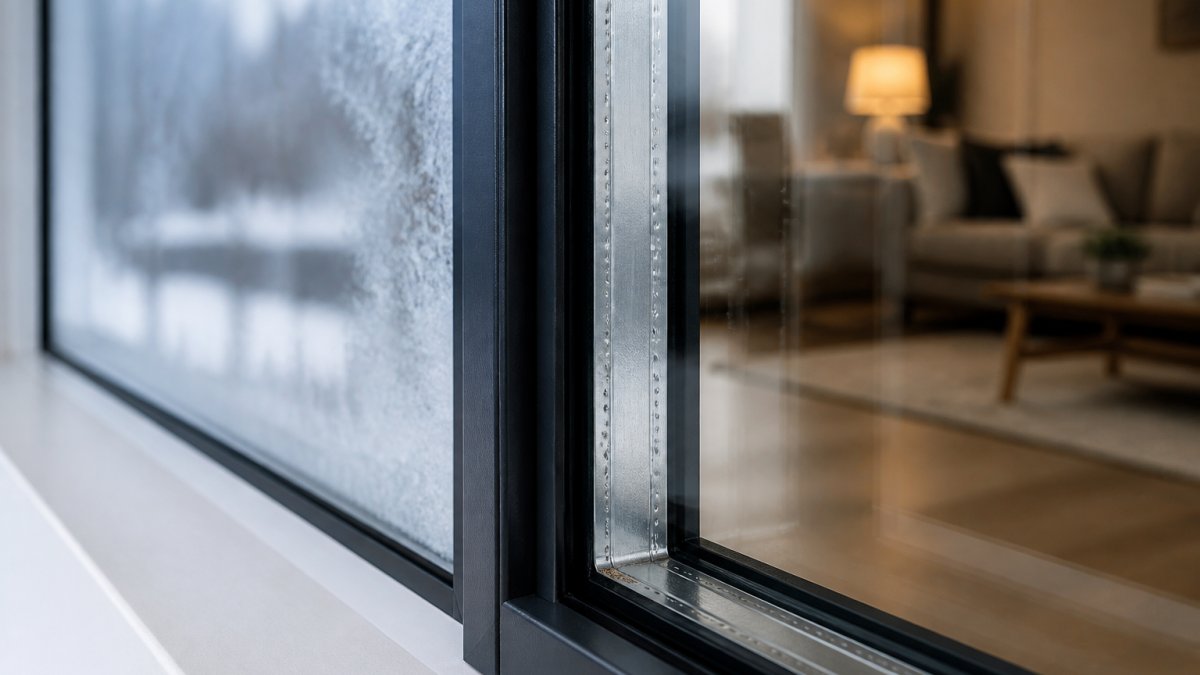
The key difference is construction. Standard windows allow significant heat transfer through single or basic double glazing; high-performance windows use multiple glass layers, specialised coatings, warm-edge spacers, and insulated frames to create a working thermal barrier.
Low-emissivity glass and insulated glazing explained
Low-emissivity (Low-E) glass is an invisible coating that reflects heat back into your home while letting light through, reducing radiant heat loss.
Insulated glazing units (IGUs) combine multiple panes with sealed air or argon gas between them.
Together, these technologies reduce heat loss by 50-70% compared to single glazing, so your heating works less hard and you feel fewer draughts.
Double glazing versus triple glazing
Double glazing uses two panes with a sealed air gap, the standard for most modern replacements, delivering solid thermal performance at reasonable cost.
Triple glazing adds a third pane and second air gap, reducing heat loss by approximately 20-30% more than double glazing.
The trade-off is cost and weight: triple-glazed units are heavier, need stronger frames, and cost more upfront.
Real Energy Savings: What You Can Expect
The honest answer depends on your current windows, climate, heating system, and insulation. A home with single glazing in a cold region sees more dramatic savings than one with reasonable glazing already.
Realistically, upgrading from single glazing to high-performance double glazing typically cuts heating costs by 10-15%, £120-180 a year on a £1,200 bill. The savings are real but not miraculous; windows are one part of your home's thermal envelope, and best results come from a broader insulation strategy.
Window Energy Ratings and Thermal Performance
Understanding U-values and energy efficiency ratings
U-values measure how much heat passes through a window; lower is better.
Energy efficiency ratings (A-G scale) compare whole window assemblies, glass, frame, and installation quality.
Always check both figures: a window claiming to be "high-performance" should have a U-value below 1.5 and an A or B rating.
According to Building Research Establishment guidance on window performance, achieving consistent thermal performance depends on both the window specification and installation quality.
Calculating Your Payback Period and Return on Investment
Payback period is the number of years for energy savings to equal the upfront cost, the most useful number in this decision, but only if built from honest assumptions.
A transparent payback model you can actually run
Work through these five inputs; the output is only as good as the weakest one.
- Your current annual heating spend. Take it from your energy bills, not a national average.
- Your current glazing type. Single glazing, 1990s-2000s double glazing, and modern double glazing produce very different baselines. The worse your starting point, the larger the percentage saving.
- The realistic percentage reduction. Single glazing to high-performance double glazing typically cuts heating costs by roughly 10-15%; upgrading already-decent double glazing yields much less, often low single digits, because you're improving a functioning thermal barrier.
- The installed cost, not the sticker price. Include frames, glazing specification, removal and disposal, making good, and any scaffolding or access equipment.
- The lifespan you expect. Double-glazed sealed units commonly last 20-25 years before the seal fails. Timber frames, if maintained, can outlast several glazing cycles.
Worked examples across three property types
These are illustrative, not quotes. Substitute your own figures.
Example A, Victorian terrace, single glazing, gas heating
- Annual heating spend: £1,400
- Assumed reduction: 12%
- Annual saving: £168
Example B, 1990s detached house, original double glazing, gas heating
- Annual heating spend: £1,100
- Assumed reduction: 5%
- Annual saving: £55
Example C, Flat with large south-facing glazing, electric heating
- Annual heating spend: £1,800
- Assumed reduction: 10%
- Annual saving: £180
Those numbers are uncomfortable, and that's the point. On energy savings alone, most window replacements don't pay back within the window's own lifespan.
Where the return actually comes from
Energy savings are usually the smallest contributor to the return. The larger contributors are:
- Avoided replacement cost. If your existing windows are at end of life, you're spending the money either way. The comparison is high-performance units versus like-for-like basic units, not versus nothing.
- Comfort and usable space. Rooms near cold glass are often underused. Eliminating cold radiation and draughts changes how a home feels and is lived in.
- Noise reduction. In urban or roadside locations, acoustic improvement has real value.
The repair-versus-replace comparison
Before committing to full replacement, price the alternatives. They are often cheaper and sometimes sufficient.
| Option | Typical scope | Relative cost | Best suited to |
|---|---|---|---|
| Draught-proofing and weatherstripping | Brush or rubber seals to opening sashes and frames | Very low | Sound frames, minor draughts |
| Secondary glazing | Additional internal pane or panel | Low to moderate | Period properties, listed buildings, noise |
| Re-glazing only | New sealed units into existing frames | Moderate | Frames sound, glass failed or single-glazed |
| Full replacement | New frames and glazing | High | Frames rotten, warped, or beyond repair |
The frames, not the glass, usually determine which route makes sense: if sound and square, re-glazing or secondary glazing captures much of the thermal benefit at a fraction of the cost; if failing, replacement is the only durable answer.
Window Replacement Cost and Financing Options
Here's what drives the price, what you might pay, and how to fund it.
What drives the price
Four variables account for most of the variation between quotes:
- Frame material. uPVC is cheapest, aluminium sits in the middle, and timber is usually most expensive, though the gap narrows at the top end of the uPVC range.
- Glazing specification. Double glazing with standard Low-E is the baseline. Triple glazing, acoustic laminates, and solar-control coatings each add cost.
- Size and shape. Standard rectangular openings are cheapest. Arched, bay, and bespoke shapes add significantly.
Indicative price ranges
Broad ranges for supply and installation of a standard-sized window, not quotes, a starting point for comparing tenders.
| Frame material | Glazing | Indicative installed cost per window |
|---|---|---|
| uPVC | Double, standard Low-E | £400-£700 |
| uPVC | Triple | £600-£950 |
| Aluminium | Double, thermally broken | £700-£1,200 |
| Timber | Double, high-performance | £900-£1,600 |
| Timber | Triple, high-performance | £1,200-£2,000+ |
For a typical three-bedroom house with eight to ten windows, full replacement runs roughly £5,000 to £16,000 depending on specification. Bespoke and heritage work sits above that range.
Funding routes to consider
- Paying upfront. Often unlocks the best price and avoids interest.
- Staged payments. Many installers take a deposit, a payment at manufacture, and a balance on completion. Check your protection if the installer ceases trading mid-project.
- Home improvement loans and personal finance. Compare total cost of credit, not the monthly figure, a low payment over a long term can cost far more.
- Green deal-style or energy-efficiency finance. Some lenders offer preferential rates for verified efficiency improvements.
Lifecycle cost, not just purchase price
The purchase price is only part of the story. Over the window's life you'll also pay for:
- Maintenance. Timber needs repainting or resealing every 5-7 years. uPVC and aluminium generally need only occasional cleaning, though powder-coated aluminium can fade.
- Repairs. Sealed units fail, hinges and handles wear, sash cords break. Budget for occasional repairs regardless of material.
- Warranty cover. Most reputable manufacturers offer a warranty on the sealed unit (often 5-10 years) and a separate one on the frame and hardware. Check what's covered, what voids it, and who honours it if the installer goes out of business.
- Eventual replacement. Even the best windows have a finite life. Factor in replacing them once more if you stay long-term.
Questions to ask before you sign
- What is the U-value of the whole window, not just the glass?
- What is the warranty period on the sealed unit, and separately on the frame and hardware?
- Who honours the warranty if you sell the house?
- What is excluded from the quote, making good, disposal, access equipment, decoration?
Clear answers to these questions are the difference between a good investment and an expensive lesson.
Windows and Home Resale Value
High-performance windows can enhance property appeal and resale value, but the relationship isn't straightforward.
Buyers notice windows. New, high-quality windows signal a well-maintained home; older, failing windows with broken seals, condensation, or draughts suggest deferred maintenance elsewhere.
Replacing genuinely poor windows with high-performance alternatives typically recovers 50-70% of the cost at resale, better than many home improvements, but not a 1:1 return.
For period properties, style matters.
Beyond Energy: Comfort, Noise Reduction, and Durability
Indoor comfort and temperature consistency
The most immediate benefit of high-performance windows is comfort. Rooms with poor windows feel cold near the glass on winter mornings even when the room temperature is adequate; high-performance windows eliminate this.
Condensation control matters too: condensation forms when warm, moist indoor air meets cold glass, and high-performance windows stay warmer, so condensation, and the mould that can follow, is less likely.
Sound insulation and condensation control
Noise reduction doesn't appear in energy calculations but matters daily.
Timber windows combine excellent thermal performance with natural acoustic properties: the material absorbs sound vibrations, adding to the glazing's noise-reduction benefit.
Timber Window Maintenance and Long-Term Performance
Timber windows require more maintenance than uPVC or aluminium, but deliver benefits that justify the effort.
Maintenance reality: Timber windows need repainting or resealing every 5-7 years.
Longevity: Well-maintained timber windows last 40-50 years or longer; some Victorian examples still perform after 100+ years.
The maintenance requirement isn't a flaw, it's part of owning a quality product.
Are high-performance windows worth the investment?
Frequently Asked Questions
How long does it take for high-performance windows to pay for themselves?
Payback periods typically range from 5 to 15 years, depending on your current window condition, local energy costs, heating patterns, and installation quality. Homes with older single-glazed windows in colder climates see faster returns. To calculate your specific payback, compare your current annual heating bills against projected savings from improved thermal insulation, then divide the total investment cost by annual savings. Many homeowners recoup costs through reduced heating bills before considering added comfort and resale value benefits.
What window energy ratings should I look for?
Look for windows with a Window Energy Rating (WER) of A or B, which indicates excellent thermal performance. Check the U-value (lower is better; aim for 1.4 W/m²K or below for high-performance windows) and the Solar Factor if your home receives significant summer sun. In the UK, the British Fenestration Rating Council (BFRC) provides standardised ratings. Triple-glazed windows typically achieve better ratings than double glazing, though the improvement varies by frame material and climate.
Do new high-performance windows increase home resale value?
High-performance windows can enhance resale value, though the return depends on your property type, location, and buyer expectations. Period properties with original timber windows may appeal more to buyers seeking character; modern replacements can sometimes reduce value. Contemporary homes benefit more from energy-efficient upgrades. Estate agents report that visible, well-maintained windows improve kerb appeal and buyer confidence. Rather than expecting direct pound-for-pound recovery, view resale value as a secondary benefit alongside immediate comfort and energy savings.
Is it worth replacing 20-year-old double glazing with high-performance windows?
Yes, if your existing double glazing shows signs of seal failure (condensation between panes), poor thermal performance, or draughts. Modern high-performance windows reduce heat loss significantly more than 20-year-old double glazing, lowering heating costs and improving comfort. Older sealed units often deteriorate, losing insulating properties. Calculate your specific payback using current energy bills and local heating costs to confirm the investment makes financial sense for your situation.
Share:
Best Doors for Light Between Rooms: A Buying Guide
Space-Saving Door Solutions for Small Flats: Buying Guide