
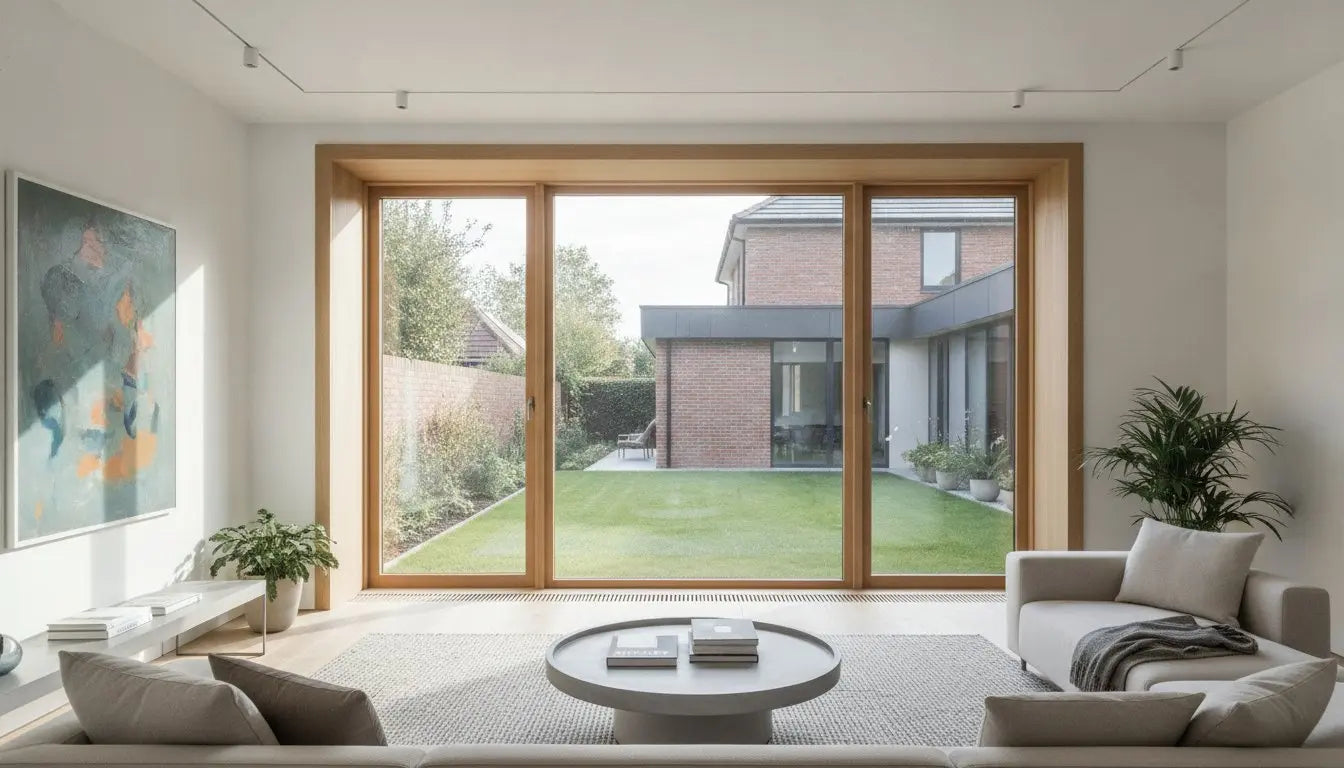
The cheapest window you can buy today often becomes the most expensive mistake you'll make over the next few decades. While synthetic frames might seem like the low-maintenance, budget-friendly choice, they simply cannot compete with the 60-year lifespan and carbon-negative footprint of high-quality timber windows. It is a common misconception that choosing wood means signing up for endless chores and eventual rot.
We understand that you want a home that feels warm and looks authentic without the burden of constant upkeep. You might be worried about rising energy costs or feeling confused by the different wood species available. This guide will show you why modern timber windows are actually a high-performance, low-maintenance investment that provides superior thermal comfort and unmatched aesthetic value for the long term.
We will explore the technical benefits of engineered timber, explain why advanced factory coatings mean you can put away the paintbrush for a decade at a time, and demonstrate how these frames help your home stay ahead of the latest 2026 thermal regulations.
Key Takeaways
- Learn why high-quality timber windows offer a realistic lifespan of up to 60 years, providing significantly better long-term value than synthetic alternatives.
- Discover how the natural insulating properties of wood help your home meet strict 2026 thermal regulations whilst reducing your overall carbon footprint.
- Understand the science behind modern micro-porous coatings that protect your joinery from rot and reduce maintenance to a simple decade-long cycle.
- Compare the performance and aesthetic benefits of different wood species, including traditional hardwoods and high-performance engineered options like Accoya.
- See how choosing a heritage specialist like Arborfield Joinery ensures your home benefits from over 70 years of family-run craftsmanship and expertise.
Why Timber Windows are the Premier Choice for Modern British Homes
The year 2026 marks a definitive turning point for British homeowners. We have moved beyond the era of temporary fixes and mass-produced synthetic materials, returning instead to a focus on longevity, character, and natural beauty. Choosing timber windows is no longer just a decision for those living in period cottages; it is a strategic investment for anyone who values performance and environmental responsibility. Modern wood frames aren't merely pieces of wood cut to size. They are precision-engineered joinery products, crafted to withstand the British elements whilst providing a level of soul that plastic alternatives simply cannot replicate.
There is a distinct emotional difference when you choose natural materials. Whilst uPVC often feels cold and industrial to the touch, timber offers a tactile warmth that transforms the atmosphere of a room. This shift toward "heritage performance" means you don't have to choose between a traditional aesthetic and modern technology. You can enjoy the classic proportions of a heritage home with the airtight, energy-efficient standards required by today's building regulations.
The Evolution of Modern Window Joinery
Manufacturing techniques have undergone a radical transformation since the mid-20th century. In the 1950s, simple carpentry was the standard, but these solid wood frames were often prone to warping or sticking as the seasons changed. Today, the industry has moved toward high-precision engineering. By using engineered timber—where layers of wood are bonded together with the grain running in opposing directions—we create a frame that is incredibly stable. This evolution in the history of timber windows ensures that modern installations won't twist, swell, or bind like the windows of thirty years ago. It’s a sophisticated marriage of old-world charm and 21st-century reliability.
Aesthetic Value and Curb Appeal
The visual impact of wood is a powerful tool for any homeowner looking to increase their property's market value. Timber is frequently the only acceptable choice for listed buildings or homes within conservation areas, but its appeal is universal. It suggests a level of quality and care that resonates with buyers and neighbours alike. The versatility of the material allows for a bespoke approach to every project:
- Authentic Details: From traditional sash horns to slim glazing bars, timber allows for architectural accuracy.
- Versatile Styles: Whether you require the vertical movement of a sliding sash or the simple functionality of a contemporary casement, wood adapts to your vision.
- Custom Finishes: You aren't limited to a handful of "wood-effect" plastics; you can choose from a vast palette of colours and stains to suit your home's unique personality.
Investing in quality joinery does more than just fill an opening in a wall. It curates a living space that feels premium, authentic, and built to last.
The Thermal and Environmental Benefits of Investing in Wood
Choosing timber windows is often framed as an aesthetic decision, yet the true brilliance of wood lies in its invisible performance. Unlike synthetic materials that rely on complex internal chambers to trap heat, wood is a natural insulator by design. Its cellular structure contains millions of tiny air pockets that slow the transfer of heat, keeping your home significantly warmer in winter and cooler during the height of summer. This inherent low thermal conductivity is what makes timber a frontrunner for meeting the stringent 2026 building regulations, where replacement windows must achieve a maximum U-value of 1.4 W/m²K.
Beyond your monthly energy bills, there is a broader story of environmental stewardship. Timber is the only truly carbon-negative building material. Whilst manufacturing plastic or aluminium releases significant CO2 into the atmosphere, trees absorb carbon as they grow. This carbon remains locked within the frame for the duration of its 60-year lifespan. When you select responsibly sourced frames, you are effectively turning your home into a long-term carbon sink. If you are looking to enhance your home's efficiency, understanding the lifecycle of your materials is the first step.
Superior Natural Insulation
The difference between wood and uPVC is fundamental. Plastic frames are hollow and require multiple internal webs to provide even a fraction of wood's natural stability. Wood eliminates the risk of thermal bridging, those troublesome cold spots where heat escapes through the frame itself. When combined with modern argon-filled double glazing, timber windows create a seamless thermal envelope. This synergy ensures that the warmth you pay for stays exactly where it belongs: inside your living room.
The Truly Sustainable Choice
Sustainability isn't just a buzzword; it's a measurable standard. We look for FSC and PEFC certifications to guarantee that every piece of timber comes from a forest where more trees are planted than harvested. The embodied energy, which is the total energy required to extract, process, and transport the material, is vastly lower for wood than for chemically intensive uPVC. At the end of their long life, these windows don't sit in a landfill for centuries. They are biodegradable and easily recycled, closing the loop on a truly circular economy.
Debunking the Maintenance Myth: Why Modern Timber Lasts a Lifetime
The most persistent objection to timber windows is the fear of rot and the dread of annual maintenance. It's a concern rooted in the behaviour of old, solid-wood frames protected by thick, brittle gloss paints that eventually cracked and trapped moisture. However, the technology has moved on significantly. Today, the choice isn't between beauty and effort; it's about investing in a material that is designed to outlast almost every other component of your home.
Modern joinery relies on factory-applied, micro-porous coatings. These advanced finishes act like a high-performance skin; they are water-repellent but allow the wood to breathe. This prevents moisture from becoming trapped under the surface, which was the primary cause of peeling and decay in the past. This repairability is a crucial distinction. If a timber frame suffers a deep scratch or a small patch of damage, a skilled joiner can repair it invisibly. With synthetic frames, a single structural failure or even a stubborn stain often necessitates a full replacement of the entire unit. When you choose a quality-first product, you aren't just buying a window; you're buying decades of peace of mind.
Modern Protective Coatings
Unlike the old-fashioned paints that sat on top of the wood, modern breathable finishes bond with the fibres. They are specifically engineered to resist UV degradation, ensuring that your chosen colour remains vibrant for years. This technical leap means the maintenance cycle has shifted from an annual chore to a simple check-up. Most modern frames only require a fresh coat every 8 to 10 years to maintain their protective barrier and aesthetic appeal.
Timber vs uPVC: The Real Long-Term Cost
When you evaluate the value of your home improvements, it's vital to look at the whole-life cost rather than just the initial price tag. Whilst timber windows can cost between 50% and 110% more upfront than uPVC, their longevity changes the financial equation. Consider the timeline:
- uPVC Windows: Typically last between 20 and 30 years before they become brittle, discoloured, or the seals fail beyond repair.
- Timber Windows: Have a realistic service life of 40 to 60 years, and often much longer if cared for correctly.
Over a 60-year period, you would likely need to replace a plastic window installation at least twice. Each replacement brings the disruption of construction and the environmental cost of sending non-biodegradable frames to a landfill. In contrast, timber remains timeless. If you want to change the look of your home in fifteen years, you can simply repaint your wood frames. If a plastic frame is damaged or discolours, your only option is the skip. Wood is a legacy product; plastic is a throwaway one.

Selecting the Right Timber Species and Style for Your Property
Choosing the right material for your timber windows is a decision that balances architectural integrity with long-term performance. It isn't merely a matter of selecting a paint colour or a handle style. The species of wood you choose dictates how the window behaves over the next sixty years. In 2026, we've seen a significant rise in the popularity of Accoya. This high-performance, acetylated wood is ultra-stable and virtually rot-proof, making it a favourite for homeowners who want the maximum possible lifespan from their investment.
Hardwood vs Softwood: Performance Differences
The choice between hardwood and softwood often comes down to the specific character of your property. Oak remains the traditional heavyweight. It is prized for its immense durability and a rich, prominent grain that looks stunning when finished with a translucent stain. However, modern engineered softwood is an equally impressive contender. By laminating layers of wood with the grain running in opposing directions, we create a frame that is far more stable than solid timber. This engineering process effectively eliminates the natural tendency of wood to warp or twist, ensuring your windows open smoothly in every season.
Architectural Authenticity
A window should never look like an afterthought. For those in Victorian or Georgian properties, traditional sash windows are essential for maintaining the heritage charm of the building. These designs use weights and pulleys or modern spiral balances to provide that classic vertical movement. If your home is more contemporary, casement windows offer clean lines and exceptional versatility. The finishing touches matter just as much as the frames themselves. Choosing the right ironmongery, whether it's aged brass fasteners for a period look or sleek chrome handles for a modern finish, complements the natural beauty of the timber.
Creating a cohesive aesthetic across your entire home often involves looking beyond the window frames. If you are planning a larger renovation, you might consider how your new joinery pairs with other external features. Integrating timber bifold doors for sale can seamlessly connect your living space to the garden whilst maintaining a consistent material palette. When every element of your home improvement project is curated with the same eye for quality, the result is a property that feels intentional and premium. If you are ready to see how these materials look in person, view our gallery of recent installations to find inspiration for your own project.
The Arborfield Joinery Difference: Quality Since 1953
Arborfield Joinery isn't just a supplier; we're custodians of a craft that has defined British homes for generations. Since 1953, our family-run business has focused on a single mission: providing homeowners with joinery that stands the test of time. We've watched the industry shift from basic carpentry to high-precision engineering, and we've remained at the forefront of that evolution. When you choose us, you're benefiting from over seven decades of proven reliability and a palpable pride in every frame we produce.
Expertise You Can Trust
Choosing the right materials for your home shouldn't feel like a gamble. We take a consultative approach to every project, helping you understand the nuances between different wood species and finishes. Whether you're looking for the classic beauty of Oak or the modern stability of Accoya, our team provides expert guidance tailored to your property's specific needs. We act as a steady hand for our customers, offering advice that is both expert and empathetic to the challenges of home improvement. Our commitment to sustainability is woven into everything we do. We only use premium materials from responsibly managed forests, ensuring that your new windows are as kind to the planet as they are to your home's aesthetic.
A National Service with a Personal Touch
Whilst we're proud of our heritage, we've embraced the efficiency of a modern national service. We organise secure, nationwide UK delivery for large-scale home projects, ensuring that our bespoke timber components reach you in perfect condition, no matter where you're located. This stability and local presence allow us to value long-term relationships over quick transactions. For those who prefer a more tactile experience, we invite you to visit our extensive showroom. It's the perfect place to see the precision of our craftsmanship first-hand, feel the weight of the timber, and appreciate the quiet elegance of our designs.
You can explore our full collection of timber windows online to see how our bespoke solutions can transform your living space. We don't just sell products; we help you curate a home that reflects your values and your style. Our role as a quality curator means we show a discerning eye for style and sustainability, helping you create a living space that is both premium and attainable. If you're ready to invest in the long-term value of your property, we're here to guide you through every step of the journey.
Invest in a Legacy of Craftsmanship
Choosing the right frames is about more than just filling an opening; it's about curating a living space that performs as beautifully as it looks. We've explored how modern engineering has transformed wood into a material that meets the strictest 2026 thermal standards whilst offering a realistic sixty-year lifespan. By opting for high-quality timber windows, you're making a carbon-negative choice that adds genuine market value and architectural soul to your property.
At Arborfield Joinery, we've been perfecting our craft as a family-run business since 1953. We take immense pride in our sustainable, FSC-certified timber options and provide expert UK-wide delivery to ensure your project stays on track. If you're ready to elevate your home with joinery that blends heritage charm with high-precision engineering, we invite you to Browse Our Premium Range of Timber Windows today.
Your home deserves a legacy of quality that won't fade with the seasons. We look forward to helping you find the perfect fit for your next project.
Frequently Asked Questions
Do timber windows require a lot of maintenance?
Modern timber windows don't require the constant attention that older frames did. Thanks to advanced, factory-applied micro-porous coatings, the wood can breathe whilst remaining protected from the elements. You won't find yourself sanding and painting every summer. Instead, a simple wash with soapy water once a year is usually enough to keep them in top condition. Most homeowners only need to consider a fresh coat of paint or stain every 8 to 10 years.
How long do modern timber windows actually last?
You can realistically expect modern, factory-finished timber windows to last between 40 and 60 years. This longevity far exceeds that of uPVC alternatives, which typically require replacement after just 20 to 30 years. Because wood is a naturally durable material that can be repaired or repainted, it remains a permanent fixture of your home's architecture. This makes them a superior long-term investment that avoids the disruption and waste of frequent replacement cycles.
Are timber windows more energy efficient than uPVC?
Timber is naturally more energy efficient than synthetic materials because of its unique cellular structure. Wood contains millions of tiny air pockets that act as a natural thermal barrier, preventing heat from escaping your home. This allows wood frames to easily achieve the low U-values required by 2026 building regulations, such as the 1.4 W/m²K limit for replacements. Unlike hollow plastic frames, wood eliminates thermal bridging and creates a much warmer, more comfortable living environment.
Can timber windows be used in conservation areas?
Timber is often the only material approved for use in conservation areas and listed buildings. Local authorities prioritise the historical integrity of these properties, and wood is essential for replicating authentic period details like slim glazing bars and traditional sash horns. Whilst modern uPVC often looks out of place, bespoke wood joinery maintains the character that planners require. We always recommend checking if your property is subject to an Article 4 direction before starting work.
Is it better to choose hardwood or softwood for windows?
Both are excellent choices, but they serve different needs. Hardwoods like Oak are prized for their immense durability and beautiful, prominent grain patterns, making them ideal for a traditional aesthetic. However, modern engineered softwood is often more cost-effective and provides incredible stability. By laminating layers together, we create a frame that is highly resistant to warping. For the ultimate in performance, many homeowners now choose Accoya, which offers the stability of a hardwood with superior insulation.
Will timber windows increase the value of my home?
High-quality joinery is a proven way to increase the market value and kerb appeal of your property. Potential buyers often perceive wood as a premium feature that suggests the rest of the house has been maintained to a high standard. In period properties, installing authentic wood frames is often essential for achieving the best possible sale price. It’s an investment in the building's character that pays dividends through both aesthetic appeal and long-term structural integrity.
How often do timber windows need to be repainted?
You should only need to repaint your windows every 8 to 10 years if they have been factory-finished with modern coatings. These advanced paints are far more flexible than old-fashioned gloss, meaning they don't crack or peel as the wood naturally expands and contracts. The exact timing depends on how exposed your home is to the elements, but a quick visual check during your annual cleaning will tell you when a refresh is finally due.
Are timber windows better for the environment?
Timber is the most environmentally friendly material available for window construction today. It is the only renewable option and actually stores carbon dioxide throughout its long lifespan, helping to reduce your home’s overall carbon footprint. The manufacturing process for wood requires significantly less energy than the chemical-heavy production of uPVC. When you choose FSC or PEFC-certified timber, you're supporting responsible forestry that ensures more trees are planted than harvested, creating a truly sustainable cycle.
Share:
A Homeowner's Guide to All Hardware Kits: Selecting the Perfect Door Ironmongery
The Homeowner’s Guide to Urban Industrial Style Internal Doors