
Last Updated: November 11, 2026
Quick Summary
Insurance approved door hardware is necessary only if your own policy wording requires it, as there is no single government-mandated approved lock and no law forcing you to fit one. Insurers commonly name standards such as BS 3621 for mortice locks or a key-operated multipoint system, so check your policy and confirm the exact specification with your insurer in writing.
- Search your policy for lock, security, BS 3621 and unoccupied, then read the clause in full.
- BS 3621 is a British Standard for thief-resistant locks that have passed forced entry tests.
- A basic euro cylinder is not a high-security lock on its own; security comes from the multipoint system.
- A non-compliant lock usually affects a payout rather than voiding the whole policy.
- Many policies add stricter security conditions when a property is unoccupied beyond 30 or 60 days.
Table of Contents
- What Insurance Approved Door Hardware Actually Means
- Home Insurance Lock Requirements: What Your Policy Really Says
- BS 3621 Door Locks and the British Standard Explained
- Euro Cylinder Lock Insurance Rules and Multipoint Systems
- Thumb-Turn Lock Insurance: Convenience Versus Compliance
- When a Lock Is Non-Compliant or the Requirement Is Unclear
- Rental Properties, Holiday Homes and Shared Buildings
- Specifying Compliant Door Hardware for Your Renovation
- Frequently Asked Questions
What Insurance Approved Door Hardware Actually Means
Is insurance approved door hardware necessary? The short answer: there is no single government-mandated "insurance-approved" lock, and no law forces you to fit one.
That distinction matters more than it sounds. Many homeowners assume there is one approved specification that applies to every front door.
Insurers care about forced entry and whether your external doors meet a recognised standard, not the brand on the lock.
Home Insurance Lock Requirements: What Your Policy Really Says
Your home insurance lock requirements live in the policy wording, not a general rulebook. Buildings and contents policies typically list security conditions under "Security requirements" or "Conditions of cover," and that clause governs whether a claim stands.
Most policies set out conditions like these:
- External doors must be fitted with a lock of a specified standard
- Certain doors, often the front and back door, must have a mortice deadlock or a multipoint system
- Accessible windows must have key-operated locks
Miss one and the insurer may reduce a payout or decline a burglary claim. It rarely voids the whole policy, but a reduced settlement on a break-in is expensive enough.
How to Find the Exact Wording in Your Policy
Search your policy document for the words "lock," "security," "BS 3621" and "unoccupied." Read the clause in full before you buy or fit anything.
Three questions to answer from the text:
- Which doors does the condition cover? Front only, or every external door?
- What standard does it name? A British Standard number, a lock type, or both?
- Does it require proof? Some insurers ask for a receipt or locksmith certificate after a claim.
If the wording is vague, ask the insurer in writing. A short email confirming what they accept is worth keeping with your policy documents, and useful evidence if a claim is disputed.
BS 3621 Door Locks and the British Standard Explained
BS 3621 is a British Standard for thief-resistant locks. A lock carrying BS 3621 has passed tests for resistance to forced entry.
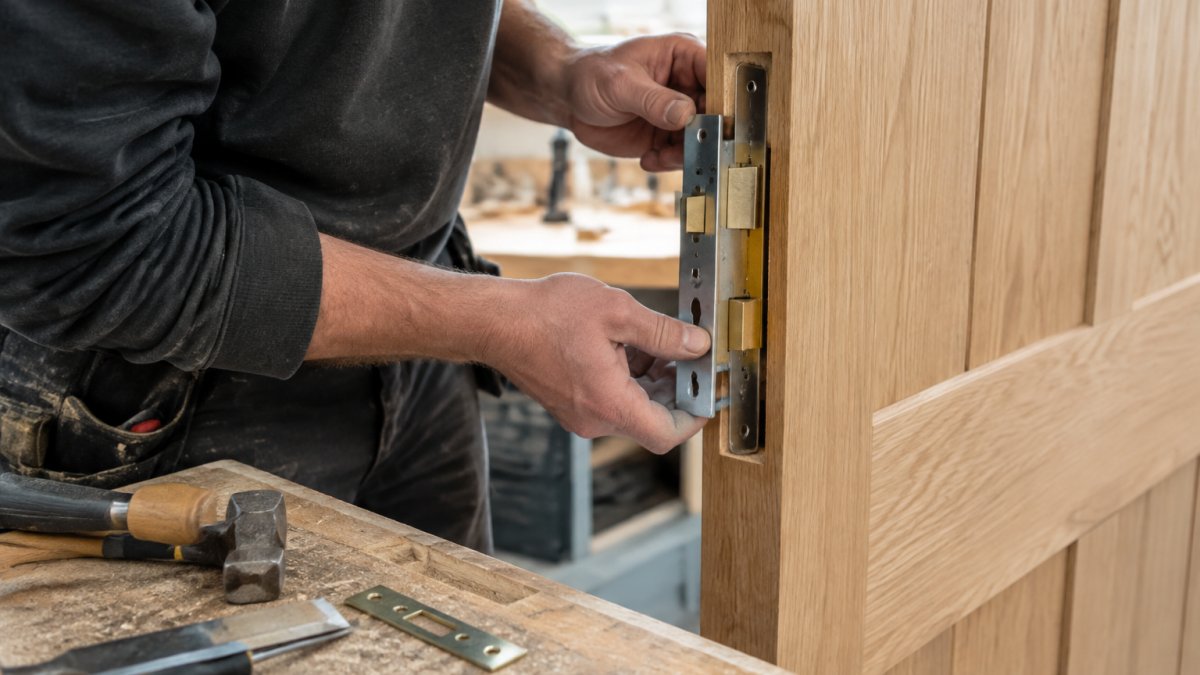
The lock you will see cited most often is the five-lever mortice deadlock.
BS 3621 applies to the lock, not the door.
If you are replacing a mortice lock, browse our Arborfield Joinery euro profile mortice sash lock range to see a suitable option.
Euro Cylinder Lock Insurance Rules and Multipoint Systems
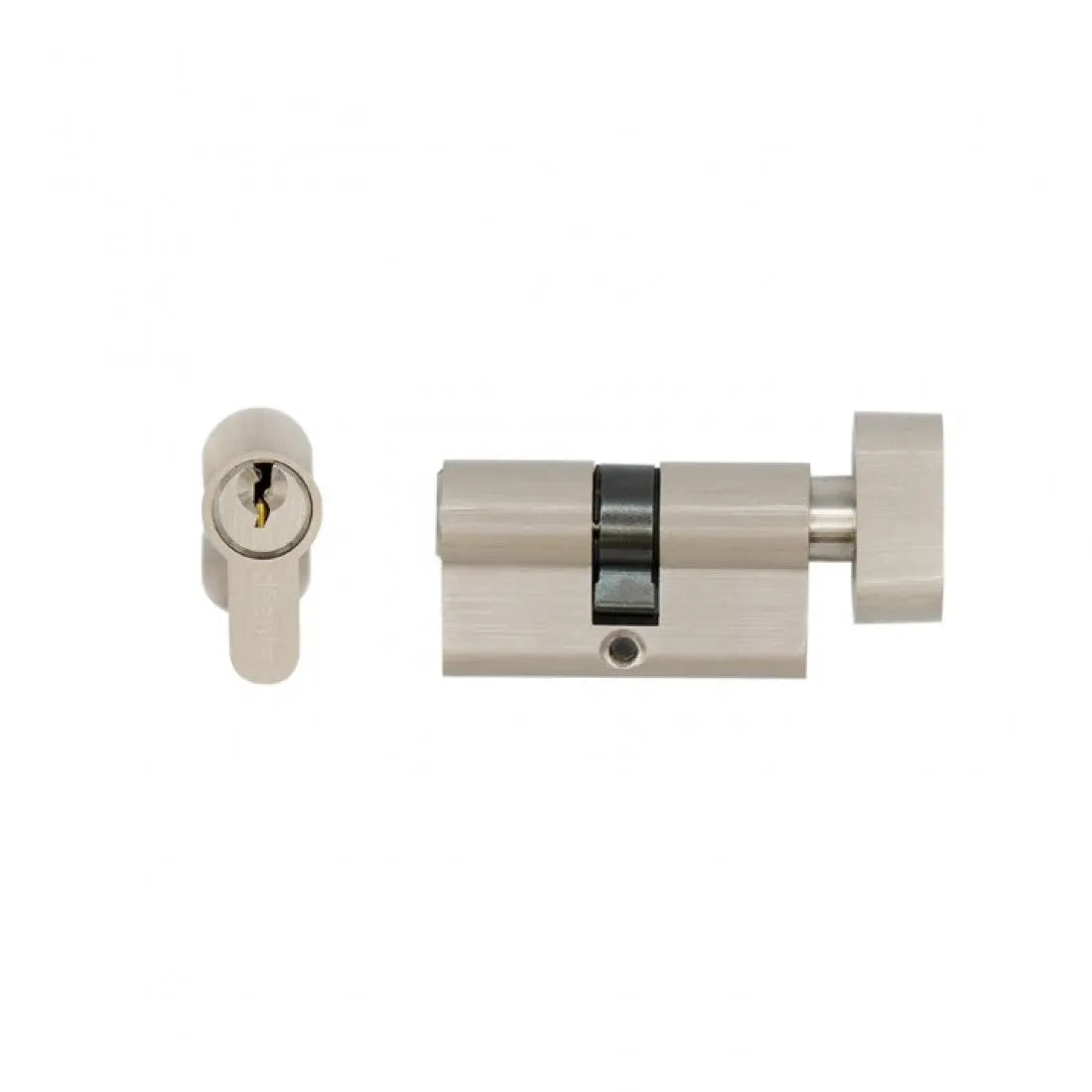
Euro cylinder lock insurance rules are less clear-cut than the BS 3621 position. A euro cylinder is the oval-profile barrel used on many modern uPVC and composite doors.
Where euro cylinders attract insurer attention is cylinder snapping: a cheap cylinder can be snapped and the door opened in seconds.
If you are checking compliance on an existing door, view our Arborfield Joinery euro cylinder lock in satin nickel to see a suitable replacement.
Thumb-Turn Lock Insurance: Convenience Versus Compliance
Thumb-turn lock insurance questions come up constantly, because a thumb-turn is the convenient choice for a front door.
The compliance question is about the outside. Because the weak point may be the cylinder as well as the glass, JJ's Glass & Glazing can help you consider how anti-snap locks fit into the door’s overall security.
Our advice: fit a thumb-turn where escape matters, but pair it with a snap-resistant cylinder and a solid door.
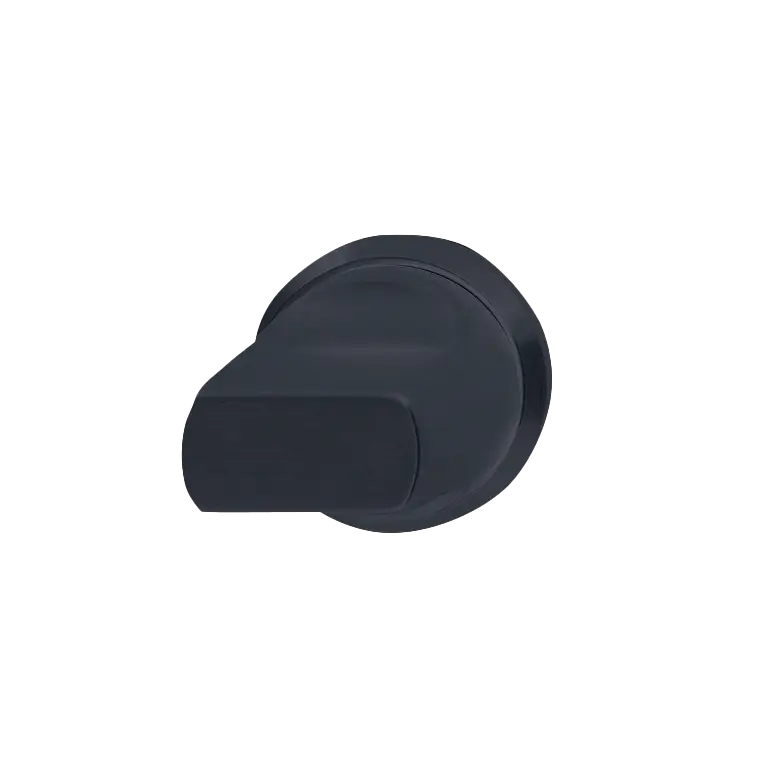
If you want the convenience of a thumb-turn, our Arborfield Joinery Manhattan thumb turn in matt black is a compliant option worth viewing.
When a Lock Is Non-Compliant or the Requirement Is Unclear
A non-compliant lock is not a disaster, but it needs fixing before you claim, not after. Most people discover the problem after moving in or after a break-in. The steps below work for both and leave you with a written record rather than verbal reassurance.
Step one: establish what the policy actually requires
Before you touch a lock, go back to the security condition and write down exactly what it asks for: the standard it names (for example BS 3621), the doors it covers, and whether it mentions windows, outbuildings or unoccupancy. If the clause uses vague language such as "minimum security" or "adequate locks," that vagueness gives the insurer room to interpret, so you need their interpretation in writing.
Step two: ask the insurer, in writing
Send a short email or use the insurer's online chat, and keep the transcript. Ask three specific questions:
- Does my existing lock meet the security condition in my policy?
- If not, what exact specification would meet it?
- Will you confirm in writing that the policy is unaffected once the work is done?
A written answer from the insurer settles the question in a way a phone call does not. If a claim is later disputed, that email is the difference between a reduced settlement and a paid one.
Step three: upgrade only to the named standard
If the insurer says the lock is not acceptable, fit hardware that meets the standard they named, not a more expensive lock meeting a different one. Keep the receipt, fitting invoice and certification mark, and photograph the lock in place, including any kite mark or BS number on the faceplate or keep. Insurers often ask for this evidence only after a burglary, by which time the packaging is long gone.
Step four: tell the insurer the work is done
Ask them to note the upgrade on the policy. This closes the loop on the security condition and creates a dated record that the property met the requirement before any incident.
What a non-compliant lock actually does to a claim
Be precise here, because the internet is full of claims that a non-compliant lock "voids your insurance." In practice, a security condition is usually a condition of cover rather than a blanket exclusion, so the insurer looks at whether the breach was relevant to the loss.
Watch out: do not assume that because a previous claim was paid with a non-compliant lock, the same will happen next time. Claims are assessed on their facts, and a different loss adjuster or incident can produce a different result.
When the requirement is genuinely unclear
If the insurer will not give a straight answer, or the policy wording contradicts itself, ask for the complaint procedure and put your question through it; a formal complaint creates a timeline and a record. Meanwhile, fit hardware meeting the most commonly named standard, a five-lever mortice deadlock to BS 3621 on timber external doors, or a key-operated multipoint system on composite and uPVC doors, because that is the specification most likely to satisfy any reasonable reading of the clause.
Rental Properties, Holiday Homes and Shared Buildings
Rental properties, holiday homes and shared buildings raise questions the standard guides skip, because the person who reads the policy is often not the person who controls the door. The practical answer depends on who holds the insurance and who is allowed to change the hardware.
Rented homes: who is responsible?
In a rented home, the landlord usually insures the building and the tenant their own contents. The security condition sits in the landlord's policy, but the tenant lives with the consequences. Start with the tenancy agreement: it often repeats the lock standard and sometimes prohibits changing locks without permission.
If you are a landlord, check the security condition before each tenancy renewal and keep evidence of compliant hardware on file.
Holiday homes and unoccupied properties
Holiday homes and properties left empty for long periods face stricter conditions. Many policies add extra security requirements when a property is unoccupied beyond a set number of days, often 30 or 60, depending on the insurer, and some exclude theft during extended unoccupancy unless specific locks are fitted and the property is checked at defined intervals.
Shared buildings and flats
Shared buildings split responsibility. The freeholder or management company insures the communal parts, and your own policy covers your flat. If your flat door opens onto a shared corridor, check which lock standard your own policy names for that door, it is an external door from your policy's point of view. Communal entrance doors are usually the freeholder's responsibility, but your policy may still require them to be locked, so confirm what you can and cannot control.
A door-by-door and window-by-window audit
Whether you rent, own or let, the security condition usually applies to every entry point the policy names, not just the front door. Walk the property and check each one against the wording:
- Front door, the lock standard named in the policy, plus a solid door and a certified cylinder if the lock is euro-profile.
- Back and side doors, often overlooked, and often named in the condition. Check them even if they are rarely used.
- Patio and French doors, multipoint locking is common, but confirm it is key-operated from outside and that the cylinder is snap-resistant.
Photograph each entry point and note the lock type and any standard marked on it. That record is useful when you renew, when you switch insurer, and if you ever need to support a claim.
Watch out: a compliant front door with an unlocked or non-compliant back door can still leave a claim exposed, because the condition is usually assessed across the property rather than against the one door that was used.
Specifying Compliant Door Hardware for Your Renovation
Specifying compliant door hardware for a renovation is easier when you plan the doorset as a whole.
If your policy names BS 3621, the door needs a solid core and a mortice lock that meets the standard.
- A certified mortice lock or key-operated multipoint system on every external door
- A solid or composite door to back up the lock
- Certified hinges rated for the door weight
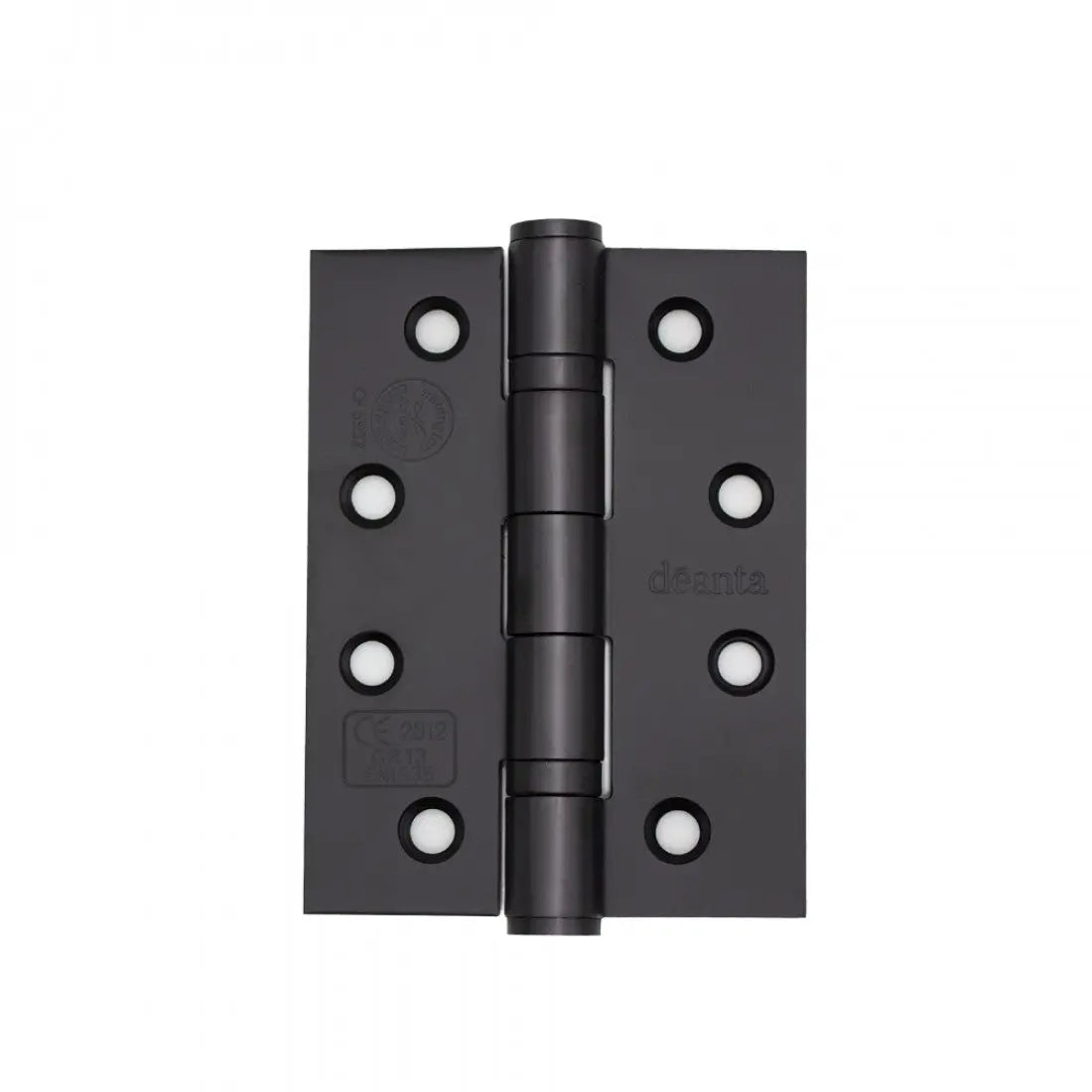
To complete a compliant doorset, our Arborfield Joinery Charlbury lever euro cylinder handles pair with a euro cylinder lock, and our Arborfield Joinery black steel BS EN 1935 Grade 13 hinges are certified for fire doors and tested to 200,000 cycles.
| Lock Type | Common Insurer Requirement | Best For | Watch Out For |
|---|---|---|---|
| Five-lever mortice deadlock | BS 3621 named in policy | Timber front and back doors | Needs a solid door to be effective |
| Key-operated multipoint system | Accepted by many insurers | uPVC and composite doors | Confirm the exact wording with your insurer |
| Thumb-turn cylinder | Usually fine if key-operated outside | Fire escape routes | Check both-sides key requirement |
| Night latch / rim lock | Rarely sufficient alone | Secondary security only | Not a substitute for a mortice lock |
The answer to whether insurance approved door hardware is necessary: it is necessary if your policy says so.
Getting the hardware right is only half the job; the door has to match it.
Frequently Asked Questions
Do home insurance policies require specific door locks?
Many policies do, but there is no single universal specification. Requirements vary between insurers, so the wording in your own policy is the reliable guide. Others list multi-point locking or a combination of locks. The only reliable answer is the wording in your own policy schedule. Check the security conditions section before you buy or replace hardware, and keep a record of what your insurer confirms in writing.
Do I need a five-lever mortice deadlock for home insurance?
A five-lever mortice deadlock to BS 3621 is one lock standard that some policies name. That said, it is not automatic across every policy. Some insurers accept a key-operated multipoint locking system instead, and some ask for a combination of locks on external doors. Read your policy conditions or ask your insurer directly rather than assuming the five-lever standard applies to your property.
Are thumb-turn euro cylinder locks accepted by insurers?
It depends on the insurer and the door. A thumb-turn lets you exit without a key, which matters for fire safety, but some policies specify key-operated locks on final exit doors because a thumb-turn can be reached through a letterbox or glazing. Electronic or digital locks may not meet every policy's requirements, so check with your insurer. Confirm your insurer's position before fitting.
Can my home insurance be affected if I do not have the required locks?
It can be. If your policy includes a security condition and you have not met it, an insurer may reduce a burglary claim payout or decline it altogether. The lock requirement is a condition of cover, not a suggestion. The practical step is to compare your current door hardware against the policy wording, replace anything that falls short, and keep receipts or a locksmith's certificate as proof of compliance.

Share:
How to Repair Scratched Wood Finish on Stairs
Choosing a Composite Stable Door for Your Home