
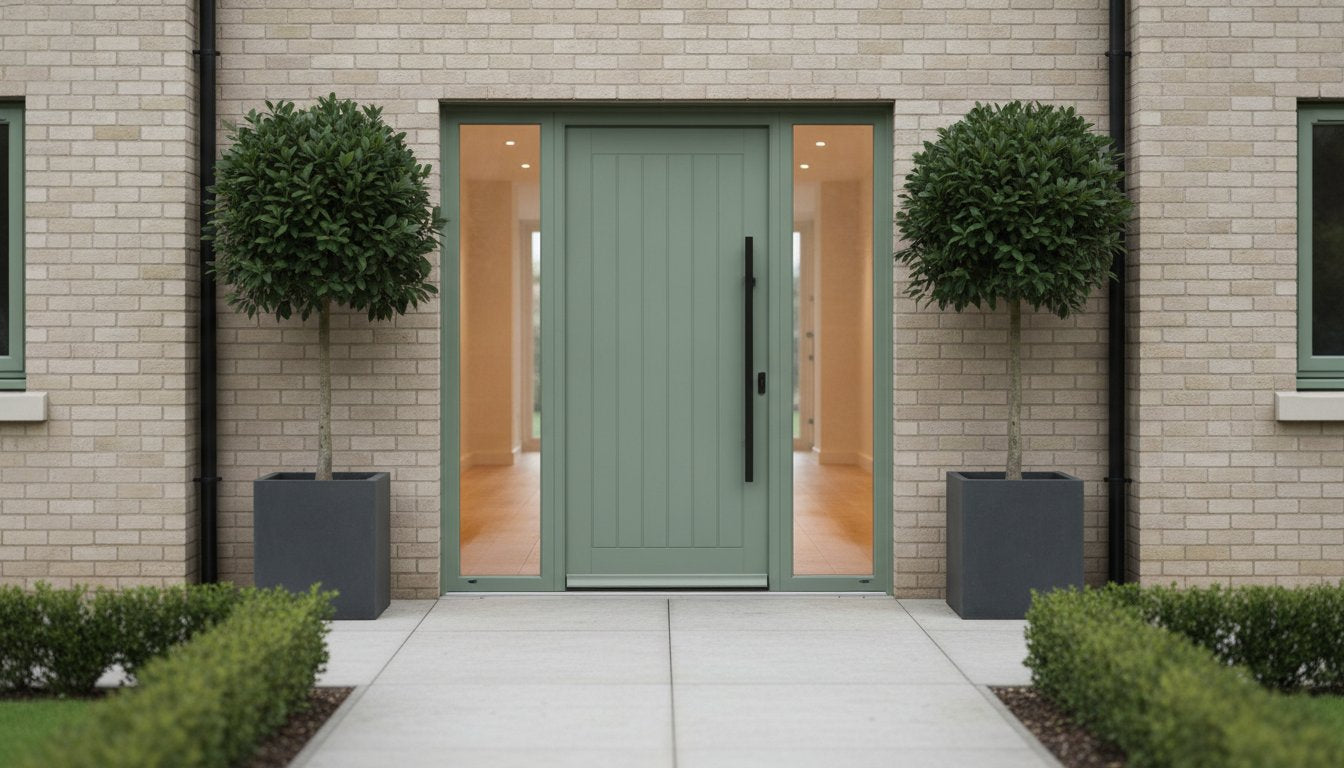
Could a material used for centuries actually be the most sophisticated choice for a 2026 home? Many homeowners assume that choosing a hardwood front door means sacrificing modern efficiency for traditional aesthetics. You probably love the prestige of natural timber but worry about it warping in the damp British climate or compromising your home's safety. It's a common concern; nobody wants to invest in a beautiful entrance only to face sticking hinges or draughts after a single winter.
In this guide, you'll discover how the latest innovations in joinery are redefining timber entrances for the modern era. We'll show you how to balance timeless style with strict PAS 24 security standards and the latest thermal requirements, such as the 1.4 W/m²K U-value limit for replacement doors. We explore the shift towards muted sage tones and the technical superiority of engineered oak over solid alternatives. This ensures you can select a sustainable, high-performance entrance that enhances your home’s value whilst providing total peace of mind for years to come.
Key Takeaways
- Discover the 2026 shift towards biophilic design and earth-toned palettes, including sage and deep ochre, to create a sophisticated and welcoming entrance.
- Learn why a hardwood front door remains the premier choice for longevity and prestige, especially when opting for sustainably sourced Oak or Walnut.
- Understand how modern timber engineering allows your entrance to meet strict 2026 thermal and security standards without compromising on traditional heritage charm.
- Gain confidence in your selection by exploring the value of expert craftsmanship and visiting a physical showroom with over 120 doors on display.
The Resurgence of the Hardwood Front Door in 2026
Authenticity has become the defining luxury of 2026. After a decade dominated by mass-produced composite materials, homeowners are returning to the substance and character of a natural hardwood front door. In the world of joinery, "hardwood" refers to the dense, complex cellular structure of deciduous trees such as Oak and Walnut. This density isn't just a technical specification; it's a promise of longevity that synthetic alternatives simply cannot replicate. 2026 has seen a decisive shift away from the "disposable" culture of home improvements. People now want fixtures that age gracefully rather than those that merely deteriorate.
The psychological impact of a timber entrance is profound. There is a tactile warmth to wood that creates an immediate sense of sanctuary. This connection to natural materials is a cornerstone of modern biophilic design. Understanding the history of wooden doors reveals that they have always been symbols of protection and status. Today, that tradition continues as we look for ways to ground our high-tech lives with organic, grounding elements. A timber entrance doesn't just close off the world; it welcomes you home with a unique grain pattern that belongs to your property alone.
Why Natural Timber Outlasts Synthetic Alternatives
One of the most significant advantages of timber is its inherent repairability. If a composite door suffers a deep scratch or structural dent, the entire unit often requires replacement. Hardwood is different. It can be sanded, filled, and refinished, allowing it to survive for generations. Modern construction techniques have also solved old problems. Most high-end doors now use engineered timber cores to provide exceptional dimensional stability. This prevents the warping or twisting once associated with solid wood whilst retaining the thick, beautiful veneers that define a premium hardwood front door. The dense fibres also act as a natural thermal break, keeping heat inside where it belongs.
The Investment Value of a Quality Entrance
Your front door is the most hard-working piece of joinery in your home. It's the first thing a guest touches and the primary focal point for any passer-by. In the UK property market, "kerb appeal" is a tangible asset. A bespoke hardwood entrance signals to potential buyers that the rest of the property has been maintained with similar attention to quality. To see how professional joinery can extend to other parts of your property, you can find out more about expert custom carpentry. Whilst the initial outlay for premium timber is higher than plastic-based alternatives, the long-term cost-benefit analysis is clear. A well-maintained Oak or Walnut door can last sixty years or more. When you consider that many synthetic doors lose their lustre or mechanical integrity within fifteen years, the value of choosing a heritage material becomes undeniable.
Key Aesthetic Trends: Colours and Textures for 2026
The design landscape for 2026 is moving away from the stark, sterile greys that dominated the last decade. Instead, we are seeing a profound embrace of biophilic design. This movement prioritises a visual connection to the natural world, often achieved through raw finishes that celebrate the inherent beauty of the wood. A hardwood front door is the perfect canvas for this approach. Rather than hiding the material under thick layers of paint, homeowners are opting for translucent stains that allow the unique character of the timber to remain the star of the show. It's a shift towards honesty in materials that feels both grounding and luxurious.
Earth tones are leading the palette shift. Soft sage greens, warm terracottas, and deep, burnt ochres are becoming the preferred choices for those seeking a sophisticated yet welcoming entrance. These colours work in harmony with the organic textures of sustainably-harvested woods, creating a facade that feels established and timeless. To complete the look, oversized hardware is making a significant impact. We are seeing a high demand for statement pull handles in matt black or brushed brass. These tactile elements provide a modern counterpoint to the traditional warmth of the wood, proving that heritage materials can still feel incredibly current.
Textured Finishes and Deep Grains
Tactility is just as important as colour in 2026. Wire-brushed finishes are surging in popularity because they physically lift the grain, creating a surface that begs to be touched. This technique highlights the structural honesty of the timber. We are also seeing a move away from high-gloss varnishes. Contemporary homeowners prefer matte oils that soak into the fibres, providing protection without the artificial shine. For a truly cohesive exterior, many are choosing to match these textures with their timber windows, ensuring every element of the home's joinery speaks the same design language. This holistic approach to home design ensures your property feels curated rather than merely assembled.
Glazing Trends: Privacy Meets Natural Light
Hallways can often feel dark and enclosed. To combat this, 2026 trends favour the integration of glazed panels within the hardwood front door itself. The focus is on maximising natural light whilst maintaining strict privacy. Reeded and sandblasted glass are the top choices for this purpose. These textures distort the view from the outside but allow a soft, diffused glow to permeate the interior. Slimline vertical panels are particularly popular in modern designs, offering a sleek aesthetic that draws the eye upward. If you are looking for inspiration on how to balance light and heritage, exploring our guide to wooden front doors can help you find the perfect glazed configuration for your property.
Sustainable Sourcing and Material Innovation
In 2026, the environmental impact of home improvements is no longer a secondary consideration. Homeowners are increasingly discerning about where their materials originate, making FSC and PEFC certifications essential benchmarks for any premium hardwood front door. Choosing timber from managed forests ensures that for every tree harvested, more are planted, maintaining the delicate balance of our ecosystems. This commitment to tree health is shared by arborist experts such as We Love Trees, who demonstrate the importance of professional care in preserving the vitality of the species used in sustainable joinery. Beyond sourcing, the environmental benefits of wood include its ability to store carbon throughout its entire lifecycle, helping you move closer to a low-carbon home.
Modern innovation has also addressed the traditional fear of timber movement. While solid wood has its charms, 2026 joinery relies heavily on engineered hardwood cores. This process involves layering timber in opposing directions to cancel out natural tension. The result is a door that looks identical to solid wood but remains perfectly stable, even when faced with the fluctuating humidity of a British autumn. It's a marriage of traditional aesthetics and precision engineering that ensures your entrance stays functional for decades.
Oak vs. Walnut: Choosing Your Species
Selecting the right species is a balance of style and environment. Many of our clients gravitate towards external oak doors because of their legendary durability and prominent, familiar grain. Oak is naturally resistant to fungal attack and handles the damp UK climate with remarkable resilience. In contrast, Walnut offers a deeper, more chocolatey tone that exudes modern luxury. Whilst Walnut is a slightly softer hardwood than Oak, its unique rich colour and swirling grain patterns make it a favourite for contemporary architectural statements. Both species perform excellently when properly treated, though Oak remains the practical veteran for exposed, north-facing entrances.
The Longevity of Responsibly Sourced Timber
A significant portion of timber failure stems from poor seasoning or irresponsible sourcing. When wood isn't dried to the correct moisture content before manufacture, it's far more likely to split or warp. By prioritising high-quality joinery, you avoid the "buy cheap, buy twice" trap common with uPVC alternatives. Most synthetic doors have a functional lifespan of roughly 10 to 15 years before the plastics degrade or the internal mechanisms fail. A well-maintained hardwood front door will typically last for over sixty years when given basic periodic care.

Balancing Heritage Style with Modern Performance
Can a traditional timber entrance truly meet the rigorous demands of a 2026 smart home? There is a common misconception that choosing a hardwood front door requires a compromise on safety or energy efficiency. In reality, the opposite is true. Modern joinery techniques allow us to integrate cutting-edge technology into classic designs, ensuring your home remains a fortress that stays warm throughout the winter. The natural density of Oak and Walnut provides a structural foundation that synthetic materials struggle to match, especially when paired with precision-engineered frames and high-performance seals.
Acoustic insulation is another area where hardwood excels. The tight, heavy cellular structure of the timber acts as a natural sound barrier, significantly reducing street noise compared to hollow-core composite alternatives. This creates a peaceful internal environment, which is increasingly vital as more of us work from home. When you invest in a premium entrance, you aren't just buying a door; you're investing in a sophisticated system designed to keep the elements and the noise at bay. If you want to see how these elements come together, you can explore our full collection of timber solutions to find the right fit for your property.
Security Without Sacrificing Style
Security is the primary concern for any homeowner. In 2026, all new dwellings and many replacement projects must adhere to strict security standards like PAS 24. This involves testing the door's resistance to physical attack. We achieve this by integrating multi-point locking systems that secure the door at several points along the frame, rather than relying on a single deadbolt. Anti-snap cylinders and reinforced internal cores are now standard features that remain completely hidden from view. This allows you to maintain a period-correct aesthetic with traditional ironmongery whilst benefiting from the same level of protection as a high-security vault.
Thermal Performance and U-Values
Energy efficiency is no longer optional. Under the 2026 building regulations, replacement wooden front doors must achieve a maximum U-value of 1.4 W/m²K. A U-value measures how much heat escapes through the door; the lower the number, the better the insulation. Hardwood is a natural insulator, but the real performance boost comes from high-performance glazing and the elimination of draughts. A well-fitted door and frame kit ensures a literal airtight seal. By choosing a hardwood front door with argon-filled, low-E glass panels, you can significantly lower your heating bills while keeping your hallway bright and inviting.
Choosing Your Perfect Hardwood Entrance with Arborfield Joinery
Selecting a hardwood front door is a significant investment in your property's future. It's a decision that balances aesthetic vision with technical requirements, and having a steady hand to guide you through this process is invaluable. At Arborfield Joinery, we've been helping homeowners curate their ideal entrances since 1953. Unlike big-box retailers where doors are often treated as mere commodities, our family-run ethos ensures that every piece of timber we supply is backed by over 70 years of proven expertise. We don't just sell products; we act as knowledgeable consultants who understand the nuances of British joinery and the specific demands of our climate.
From Showroom to Your Front Step
Digital images can only convey so much. To truly appreciate the density of an Oak frame or the rich lustre of a Walnut finish, there is no substitute for a physical visit. Our Berkshire showroom features over 120 doors on display, providing a real-world environment where you can compare textures and styles side-by-side amongst our curated collection. This sensory experience is vital for ensuring your chosen finish complements your home's unique character. Once you've made your selection, our national delivery service ensures your order arrives safely and efficiently. We are pleased to offer free mainland UK shipping on all orders over £900, bringing heritage-quality joinery directly to your doorstep with the level of care you would expect from a long-established veteran of the industry.
The Arborfield Quality Guarantee
Our commitment to craftsmanship is matched only by our dedication to sustainability. As a "Quality Curator," we meticulously select species and designs that we know will withstand the test of time, ensuring that your investment provides value for decades rather than just years. Whether you are navigating the complex choice between traditional Oak, contemporary Walnut, or sophisticated glazed designs, our team provides empathetic, expert advice tailored to your specific architectural needs whilst respecting the heritage of your property. We take palpable pride in helping you find a hardwood front door that isn't just a functional barrier, but a true statement piece that enhances your home's kerb appeal and security.
Explore our full range of hardwood front doors online today and discover why homeowners have trusted our family with their property's most important joinery for over seven decades.
Craft Your Home's Legacy with a Timeless Entrance
Investing in a hardwood front door in 2026 is about more than just kerb appeal; it's a commitment to sustainability and enduring quality. By embracing biophilic textures and sophisticated earth-toned palettes, you create an entrance that feels both grounded and modern. We've explored how technical innovations like engineered cores now allow heritage styles to meet strict PAS 24 security and thermal regulations without losing the tactile warmth of natural timber. This balance ensures your home remains a sanctuary that's as efficient as it is beautiful.
As a family-run business established in 1953, we understand that your home deserves a bespoke touch. Whether you visit our Berkshire showroom to view over 120 doors on display or take advantage of our free UK mainland shipping on orders over £900, our expertise is at your service. We take pride in acting as your steady consultant, helping you choose materials that will age gracefully for decades. Ready to transform your property? Browse our collection of premium hardwood front doors online today. We look forward to helping you find the perfect entrance for your home.
Frequently Asked Questions
Are hardwood front doors better than composite doors in 2026?
Hardwood is superior for homeowners seeking a lifelong investment rather than a temporary fix. Whilst composite doors are popular for their low initial cost, they cannot be repaired or refinished once the surface degrades. A hardwood front door can be sanded and resealed to look new after decades of use. This long-term durability makes it the more sustainable and cost-effective choice over a sixty-year period.
How often does a hardwood front door need to be repainted or oiled?
Maintenance typically depends on the level of exposure your entrance faces. Doors in sheltered porches may only require attention every five years, whereas those on exposed, south-facing elevations might need a fresh coat of oil or paint every two to three years. Using high-quality matte oils rather than traditional varnishes makes this process simpler, as you won't need to strip the wood back to the bare fibres.
Can I install a smart lock on a traditional hardwood front door?
Yes, you can certainly integrate modern smart locks with a traditional timber entrance. Most leading smart security brands offer hardware designed to work with the multi-point locking systems found in contemporary joinery. This allows you to enjoy keyless entry and remote monitoring without compromising the classic aesthetic of your home. It's an ideal way to blend heritage style with 2026 technology.
What is the most durable hardwood for an external door in the UK?
European Oak is widely considered the most durable and resilient species for the British climate. Its high density and natural tannins provide excellent resistance to moisture and fungal decay. Whilst Walnut is a stunning premium option, it is often better suited to sheltered positions. Oak remains the reliable choice for homeowners who want a door that can withstand the harshest coastal or rural weather conditions.
Do hardwood front doors warp in the British weather?
Modern hardwood doors don't warp like the solid timber versions of the past. By using engineered timber cores, where layers of wood are glued with grains running in opposing directions, the internal tension is cancelled out. This ensures the door remains perfectly flat and stable regardless of humidity changes. It's a technical solution that allows you to enjoy natural wood without the old frustrations of sticking or draughts.
How do I measure my entrance for a new hardwood door and frame?
You should measure the brickwork opening rather than the existing door frame. Take three measurements for the width (top, middle, bottom) and three for the height (left, centre, right). Use the smallest measurement in each case to ensure your new hardwood front door and frame kit fits into the aperture. It's always wise to allow a small clearance for fitting and expansion.
Are glazed hardwood doors secure enough for a front entrance?
Glazed timber doors are incredibly secure when manufactured to current British standards. We use toughened or laminated safety glass that is difficult to penetrate, often held in place with internal beading to prevent the glass from being removed from the outside. When these units are combined with PAS 24 certified frames, they offer a level of protection that meets or exceeds police-approved security requirements.
What is the average cost of a premium hardwood front door in the UK?
The cost of a premium entrance varies significantly based on the chosen species, glazing complexity, and hardware. A bespoke Oak or Walnut entrance is a high-end investment that reflects the quality of the raw materials and the level of joinery involved. Generally, you can expect to pay more for a system that includes a pre-hung frame and high-security locking, but this ensures a superior fit and long-term performance compared to budget alternatives.
Share:
The Complete Buyer’s Guide to White Primed Doors: Style, Quality, and Customisation for 2026
The Complete Buyer’s Guide to White Primed Doors: Style, Quality, and Customisation for 2026